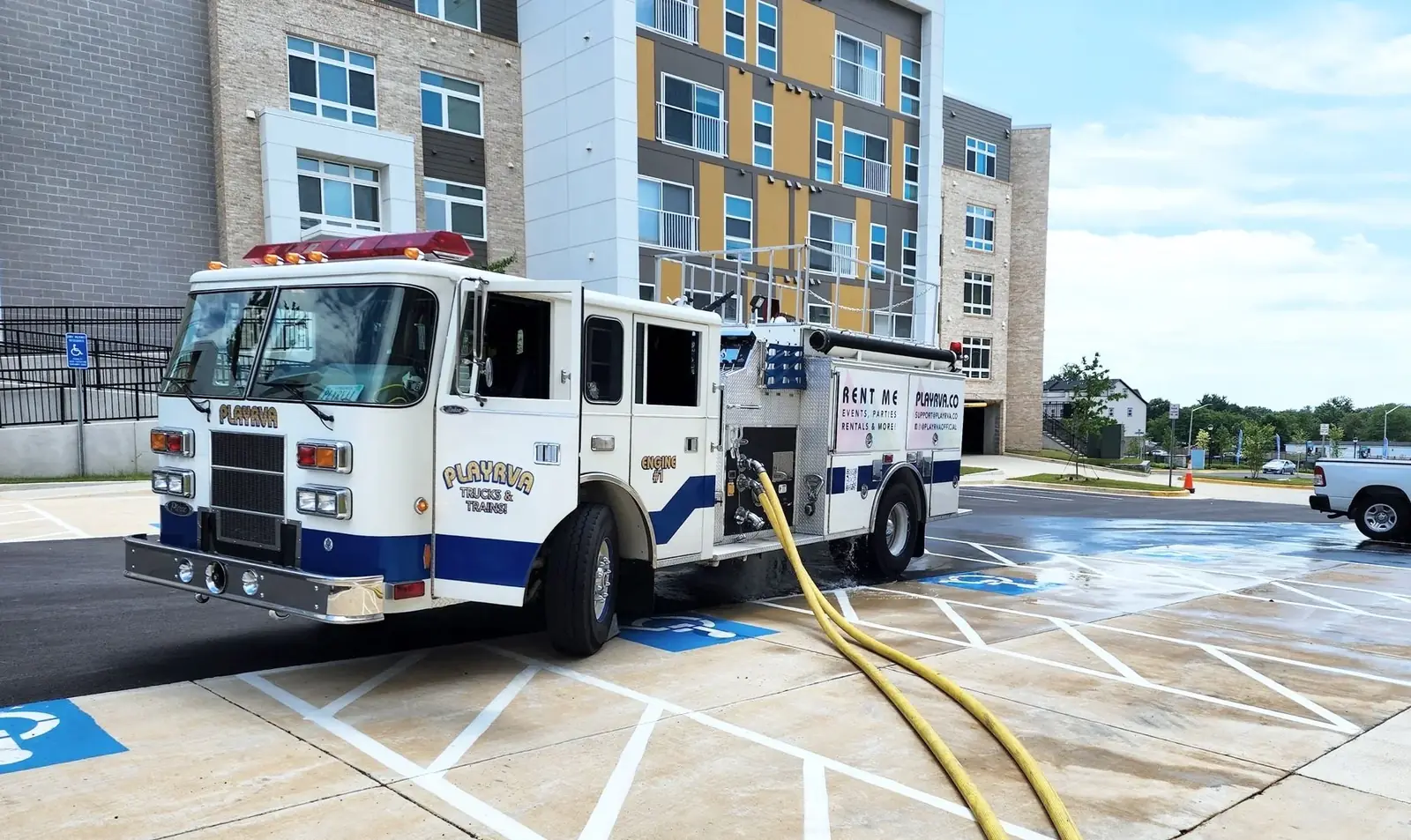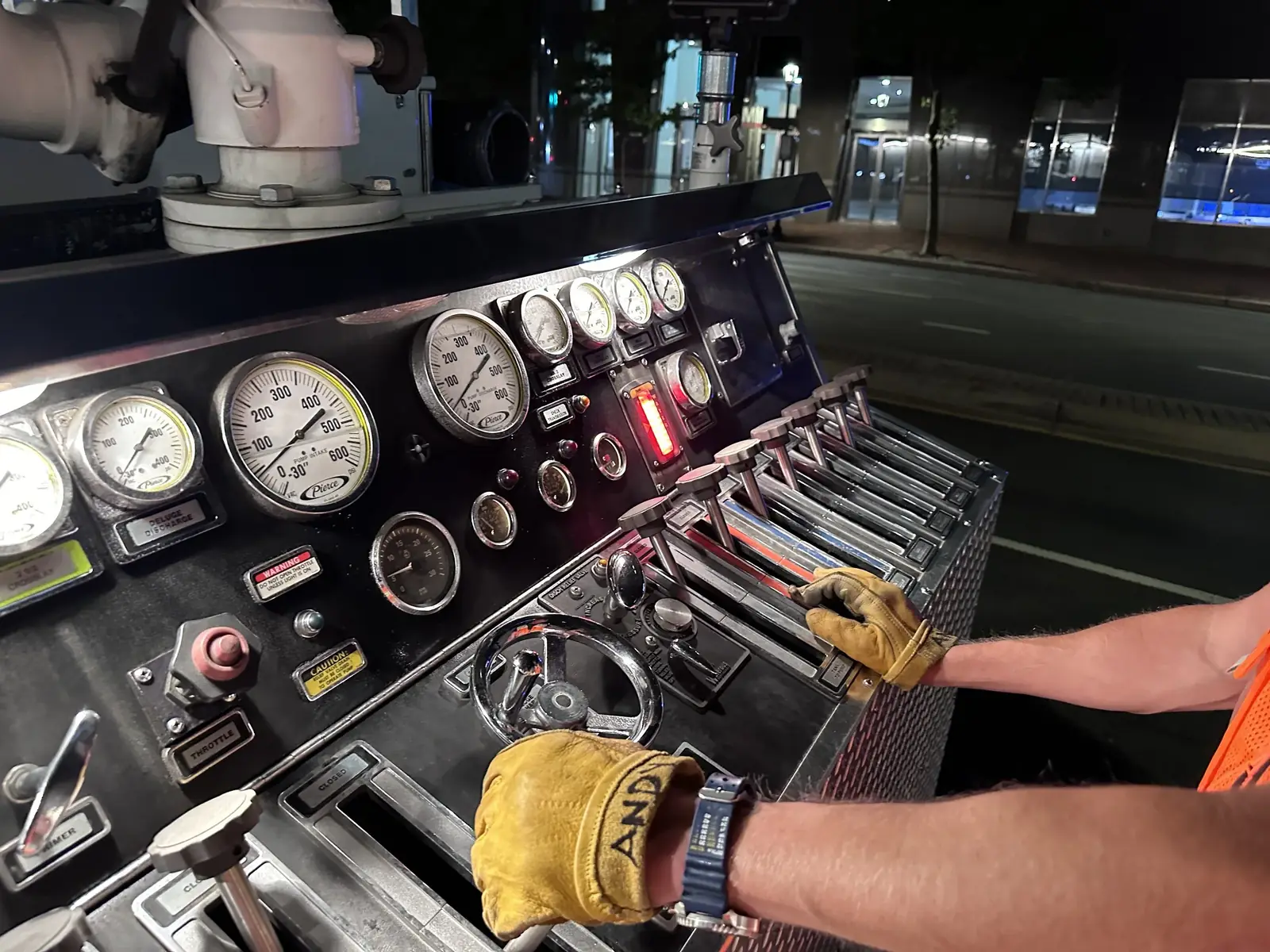

NFPA 25 requires a no-flow (churn) test weekly on diesel fire pumps and monthly on most electric pumps, plus an annual flow test at no-flow, rated, and 150 percent capacity. Those tests prove the pump still starts and makes its curve; installation alone does not. Confirm the exact interval in the edition your AHJ has adopted.
Fire protection contractors in Virginia and Maryland often face tough inspections that can determine their reputation and business growth. Routine fire pump testing is not just a formality, it is a lifeline for system reliability and safety. NFPA 25 requires weekly or monthly no-flow tests and annual flow tests to confirm fire pump readiness by uncovering hidden mechanical issues early. This article breaks down essential testing basics, common misconceptions, and clear steps to help you meet compliance standards with confidence, and ties them back to the broader reasons fire system testing matters.
Fire Pump Testing Basics and Misconceptions
Fire pump testing is a critical aspect of maintaining fire protection systems, yet many contractors misunderstand its importance. Understanding the fundamental requirements and common misconceptions can help ensure system reliability and compliance with safety standards. Fire pump inspections are not optional, they are mandatory for protecting lives and property.
NFPA 25 establishes clear guidelines for fire pump testing, requiring specific periodic assessments to verify operational readiness. Routine no-flow tests help identify potential mechanical issues before they compromise emergency response capabilities. The primary testing protocols include:
- Weekly visual inspections.
- Monthly operational checks.
- Annual comprehensive performance evaluations.
- Verification of startup mechanisms.
- Comprehensive mechanical system assessments.
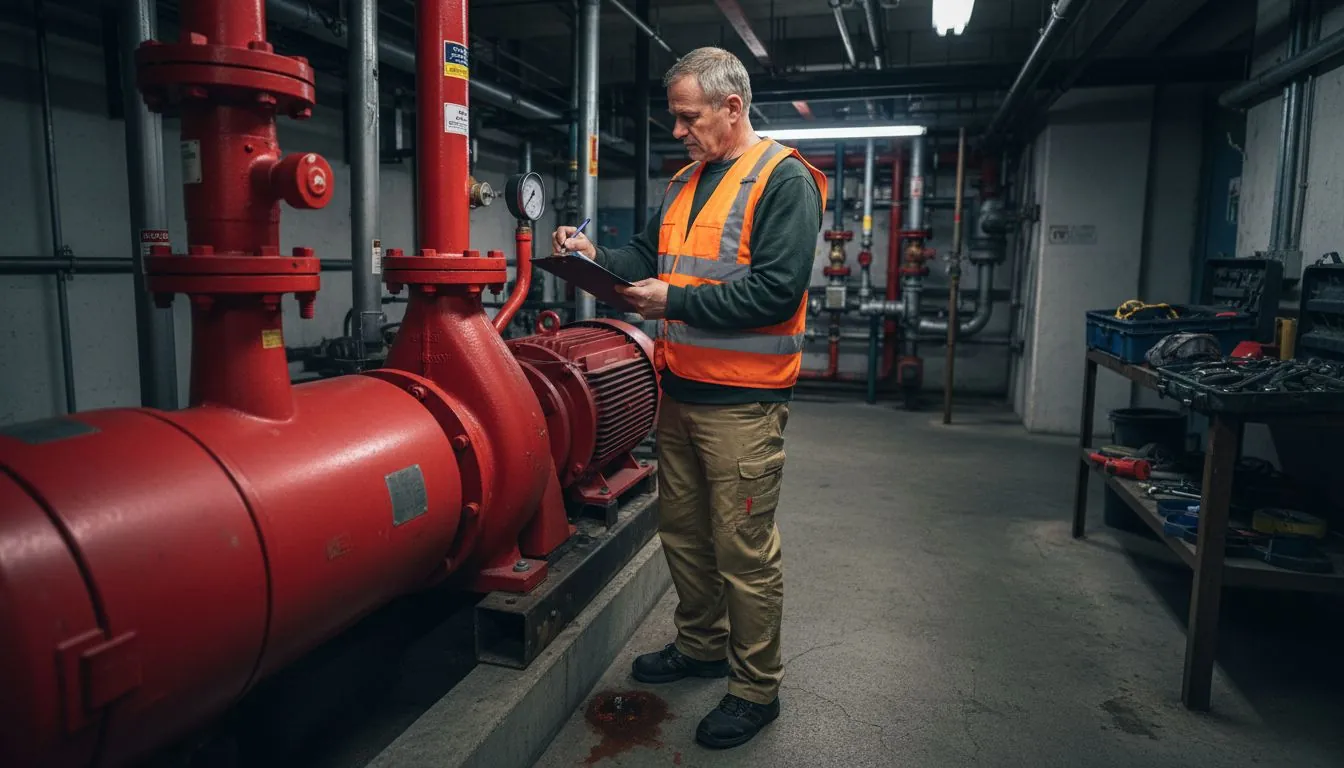
A significant misconception among fire protection professionals is believing that installation guarantees perpetual pump functionality. Mechanical components degrade over time, and without consistent testing, critical failures can occur during emergencies. Pumps require regular verification to ensure proper electrical connections, mechanical alignment, lubrication levels, seal and bearing conditions, and pressure performance.
Regular testing is not just a regulatory requirement, it's a fundamental safety practice that can mean the difference between effective fire suppression and catastrophic system failure.
Most fire protection systems in Virginia and Maryland require specific testing frequencies based on equipment age, usage, and environmental conditions. Contractors must document each test meticulously, demonstrating compliance with local and national fire safety regulations.
Pro tip: Develop a standardized testing checklist that covers all NFPA 25 requirements and integrates seamlessly with your existing maintenance protocols.
Types of Fire Pump Tests and Purposes
Fire protection professionals recognize that different types of fire pump tests serve unique diagnostic purposes, ensuring comprehensive system reliability and emergency preparedness. Comprehensive pump testing involves multiple assessment protocols designed to validate critical performance parameters across various operational scenarios.
The primary categories of fire pump tests include:
- No-Flow (Churn) Test, conducted weekly or monthly to verify automatic pump startup, check mechanical system integrity, and ensure electrical connection reliability.
- Annual Flow Test, performed yearly to measure pump performance under different flow rates, validate system pressure and volume capabilities, and identify performance degradation.
- Alarm and Signal Test, periodic verification that confirms alarm system activation, validates monitoring responses, and ensures proper emergency communication protocols.
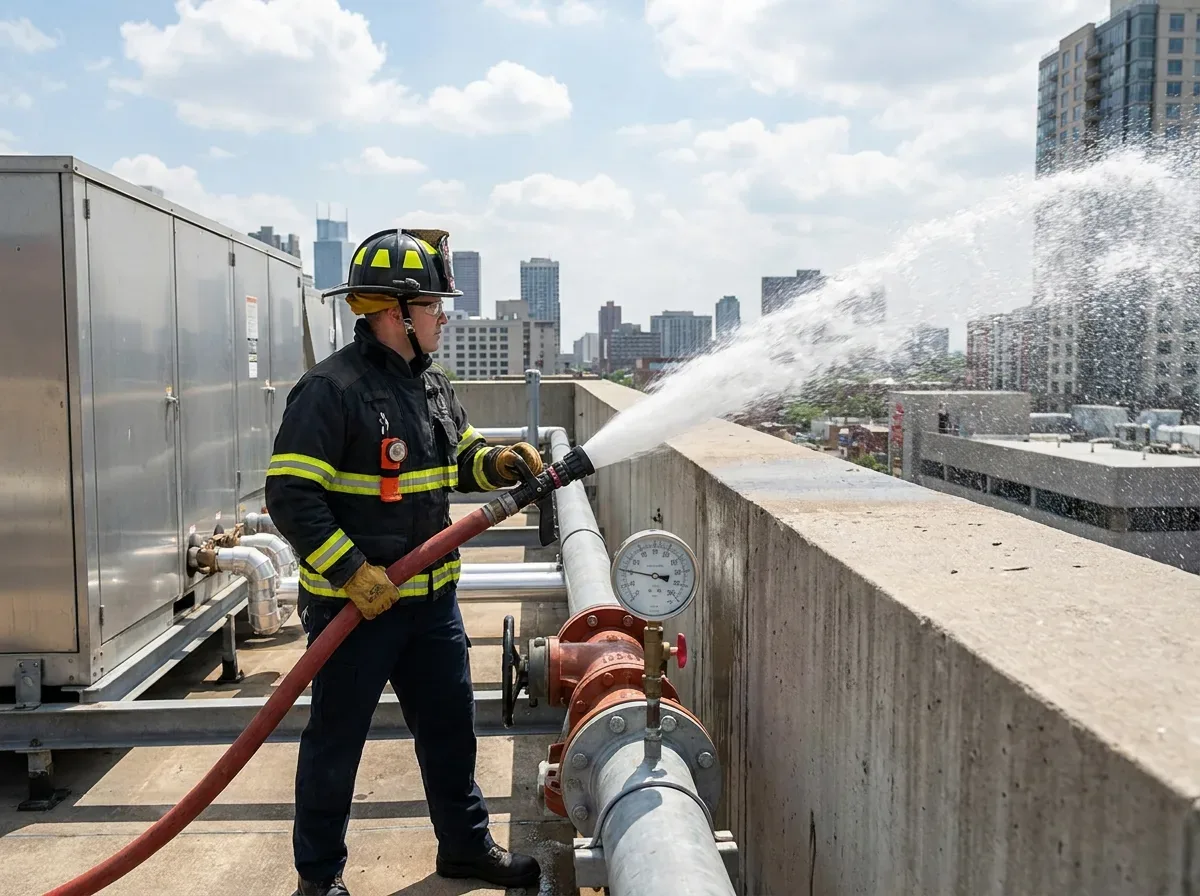
Each test type targets specific mechanical and operational aspects, providing a multilayered approach to fire pump system assessment. The no-flow test, for instance, allows technicians to verify pump functionality without water discharge, detecting potential mechanical issues before they become critical failures. The annual flow test pairs naturally with the standpipe flow test and fire hydrant flow test that prove the water supply behind the pump.
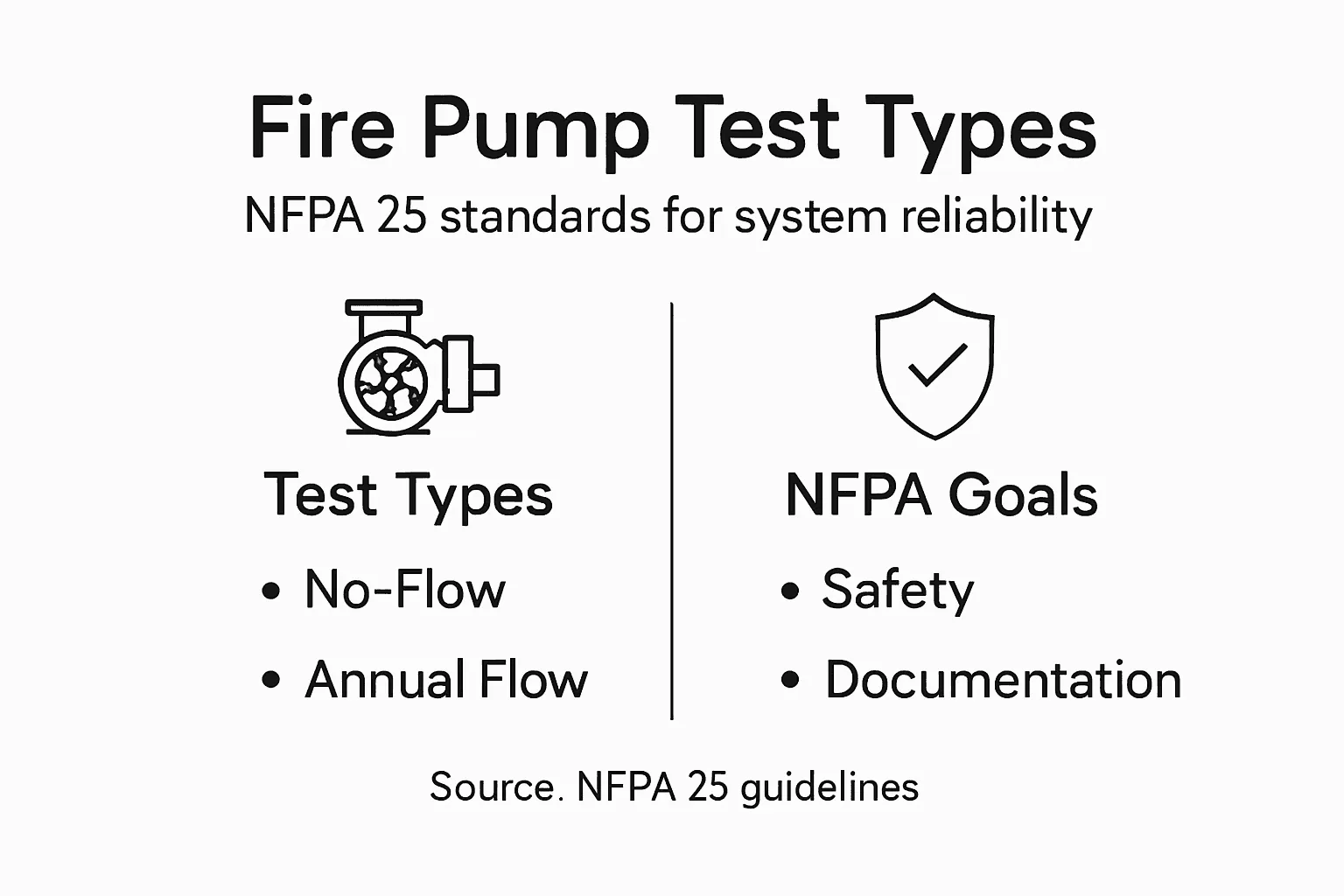
Fire pump testing is not just a regulatory requirement, it's a proactive strategy to guarantee life safety and property protection during emergencies.
Contractors working in Virginia and Maryland must understand that these tests are not optional but mandatory compliance measures. Detailed documentation of each test helps demonstrate adherence to local and national fire safety regulations.
NFPA 25 Compliance in Fire Pump Testing
Fire protection professionals must navigate the complex landscape of NFPA 25 standards, which establish rigorous requirements for fire pump testing and maintenance. Comprehensive testing protocols are designed to ensure fire pump systems remain operationally ready and reliable during critical emergency scenarios. See the NFPA 25 inspection frequencies. NFPA 25 mandates specific testing frequencies and procedures, including:
- Weekly inspections, visual system checks, verifying pump room conditions, and confirming electrical connections (NFPA 25 §8.2.2).
- No-flow (churn) tests: weekly on diesel pumps (NFPA 25 §8.3.1.1 / §8.3.1.1.1) and monthly on most electric pumps (NFPA 25 §8.3.1.2 / §8.3.1.2.1–8.3.1.2.2). Older editions required weekly for electric. Verify against the adopted edition.
- Annual flow tests at no-flow, rated, and 150 percent of rated capacity (NFPA 25 §8.3.1.3 and §8.3.3 / §8.3.3.1), measuring complete pump performance and overall system health.
These structured testing requirements serve multiple critical purposes beyond mere regulatory compliance. They help identify potential mechanical issues before they become catastrophic failures, extend equipment lifespan, and provide documented evidence of system readiness for insurance and local fire code requirements, the same paper trail we cover in Insurance Won't Cover What You Didn't Maintain.
NFPA 25 compliance is not just about meeting regulations, it's about guaranteeing life safety and property protection during emergencies.
Pro tip: Develop a digital tracking system that automatically logs and timestamps all fire pump test results to streamline compliance documentation and simplify regulatory reporting.
Required Equipment and Proper Procedures
Successful fire pump testing demands precise equipment and meticulous procedures to ensure accurate performance evaluation and system reliability. Comprehensive testing protocols require specialized measurement tools and systematic approaches that go far beyond simple mechanical checks. Essential testing equipment includes:
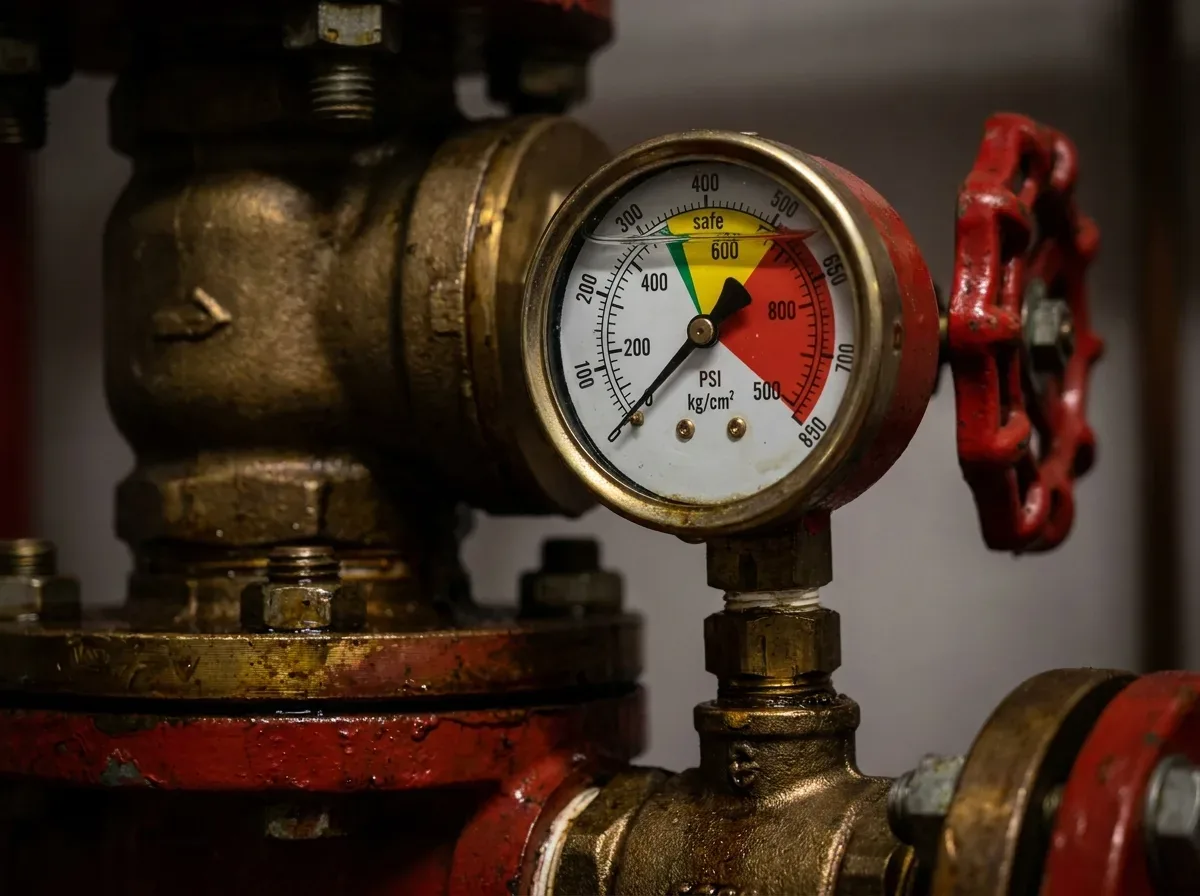
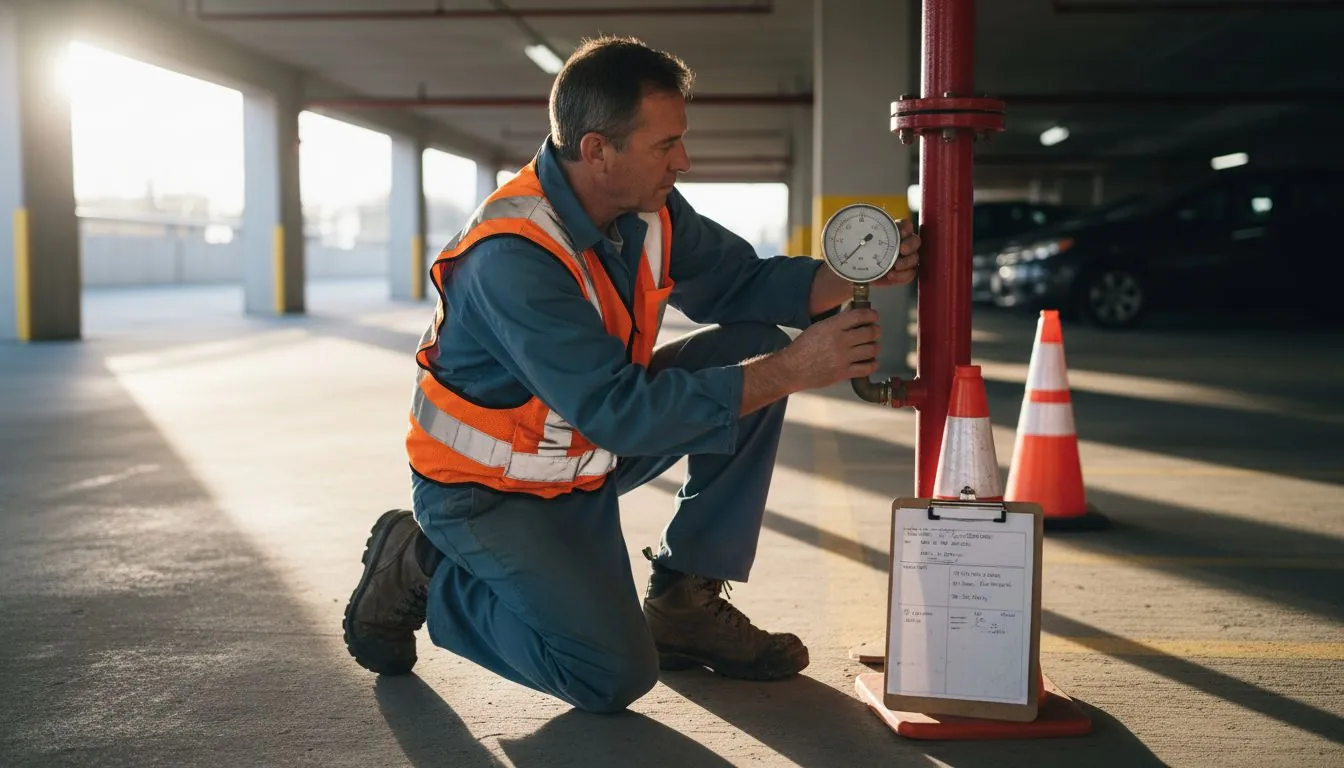
- Measurement instruments, pressure gauges (suction and discharge), calibrated flow meters, digital tachometers, precision stopwatches, and temperature sensors.
- Safety equipment, personal protective gear, electrical safety equipment, communication devices, and emergency shutdown mechanisms.
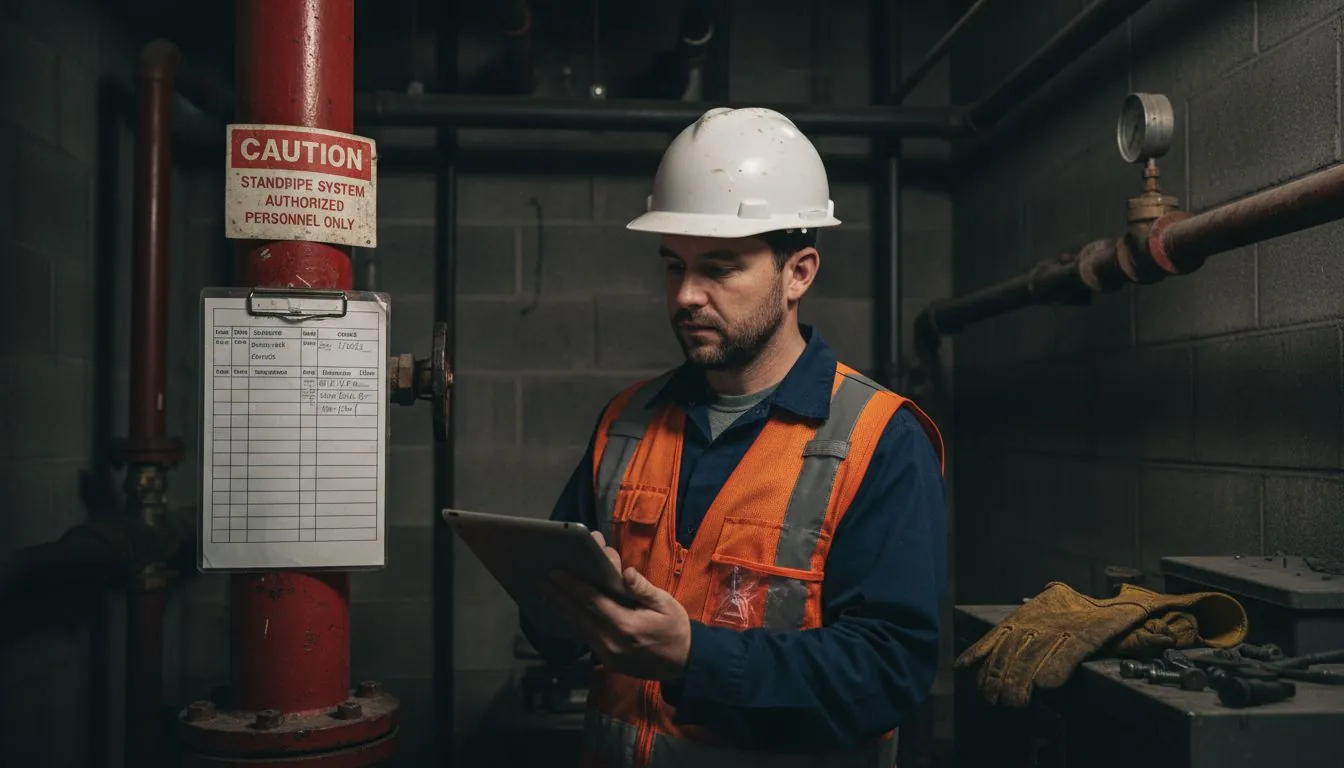
- Documentation tools, digital recording devices, standardized inspection forms, and compliance tracking software.
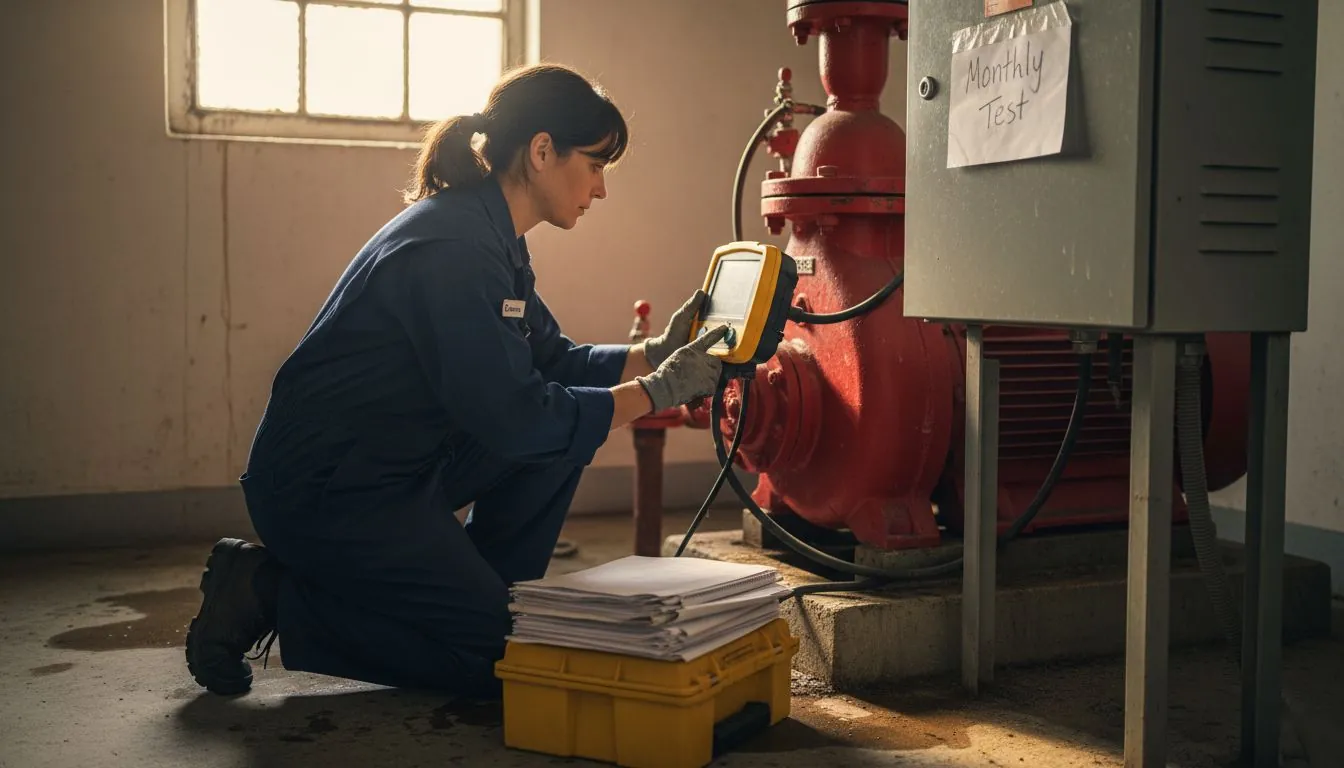
Procedural requirements demand rigorous preparation and execution. Fire protection professionals must systematically verify each component, simulate emergency conditions, and document every observation with scientific precision. This includes notifying building occupants, coordinating with local fire departments, and ensuring proper drainage and safety protocols during testing, the same disciplined setup a hydrostatic pressure test demands.
Proper fire pump testing is not just a technical exercise, it's a critical life safety intervention that requires absolute precision and professionalism.
Pro tip: Invest in digital testing equipment with automatic logging capabilities to streamline documentation and reduce human error during fire pump performance evaluations.
Risks, Costs, and Common Mistakes to Avoid
Fire pump systems represent significant financial investments, with potential replacement costs exceeding $20,000, making comprehensive risk management essential for fire protection contractors. Understanding potential pitfalls can help prevent catastrophic system failures and minimize long-term expenses. Critical risks include:
- Financial risks, emergency pump replacement costs, unexpected repairs, insurance premium increases, and regulatory non-compliance penalties.
- Operational risks, compromised emergency response, increased property damage potential, reduced reliability, and legal liability.
- Compliance risks, fire code violations, insurance coverage cancellation, legal consequences, and loss of professional reputation.
Common mistakes that significantly increase system vulnerability often stem from inadequate maintenance practices. Contractors frequently underestimate the importance of consistent, documented testing and fail to recognize the nuanced maintenance requirements for different pump types, particularly diesel-powered systems. Construction debris left in the piping is another silent failure point, exactly what a trip test and pipe flushing is designed to clear.
Neglecting fire pump maintenance is not just a technical oversight, it's a direct threat to life safety and property protection.
Pro tip: Develop a standardized digital tracking system that automatically flags upcoming maintenance requirements and generates comprehensive compliance reports.
Ensure Fire Pump Reliability with Expert Testing Services
Maintaining NFPA 25 compliance and guaranteeing the operational readiness of your fire pump system requires precise, regular testing. If you are managing fire protection systems in Virginia, Maryland, or beyond, the challenge of detailed documentation and consistent maintenance can feel overwhelming. We specialize in on-demand flow and pressure testing tailored for fire protection systems like standpipes and hydrants, helping you stay ahead of potential mechanical issues with thorough tests that align with NFPA standards.
We support property owners and managers, contractors and developers, and fire protection firms with reliable, professional testing backed by proven results. Take control of your fire pump testing today, request a quote to schedule your tests and access detailed compliance documentation.