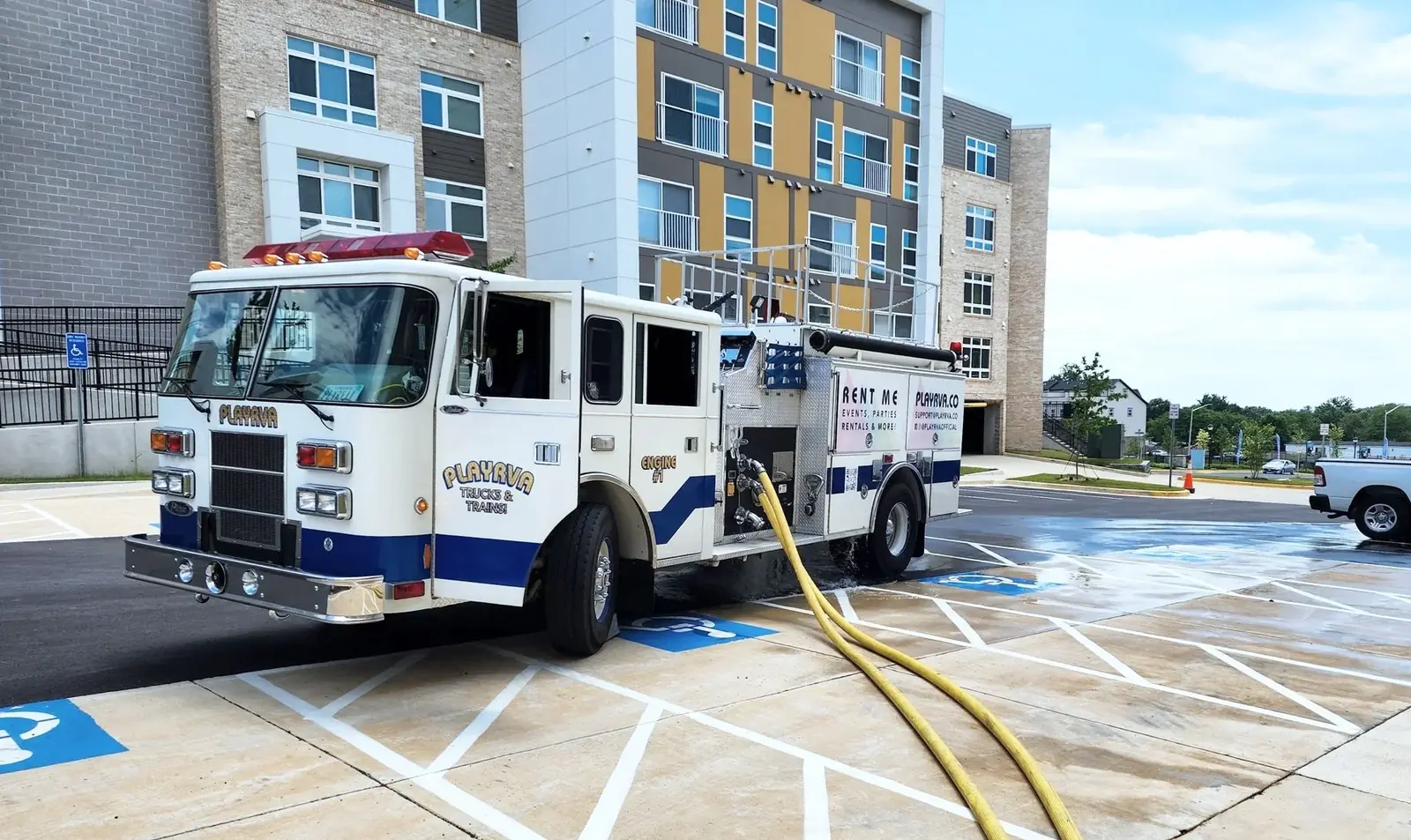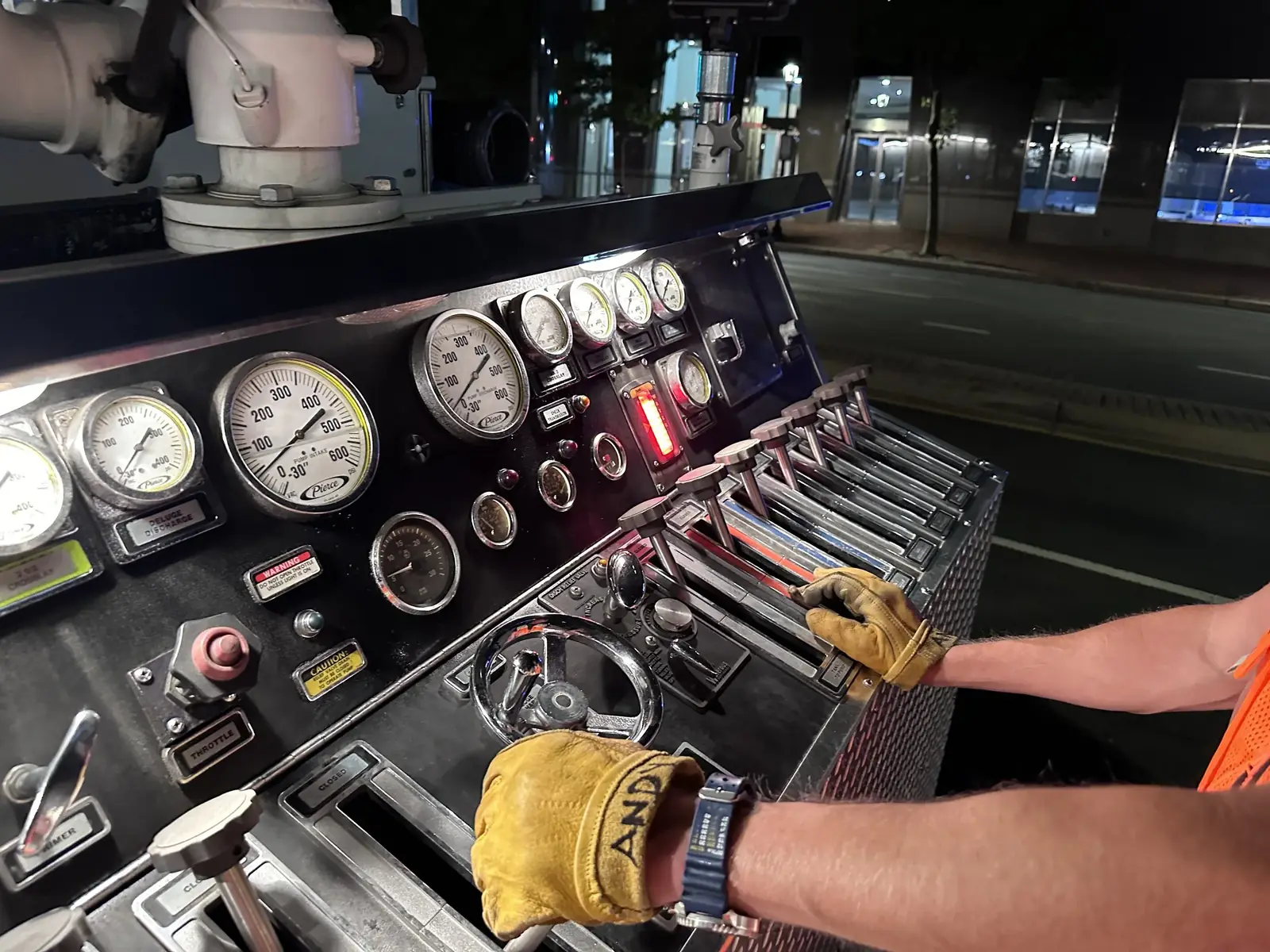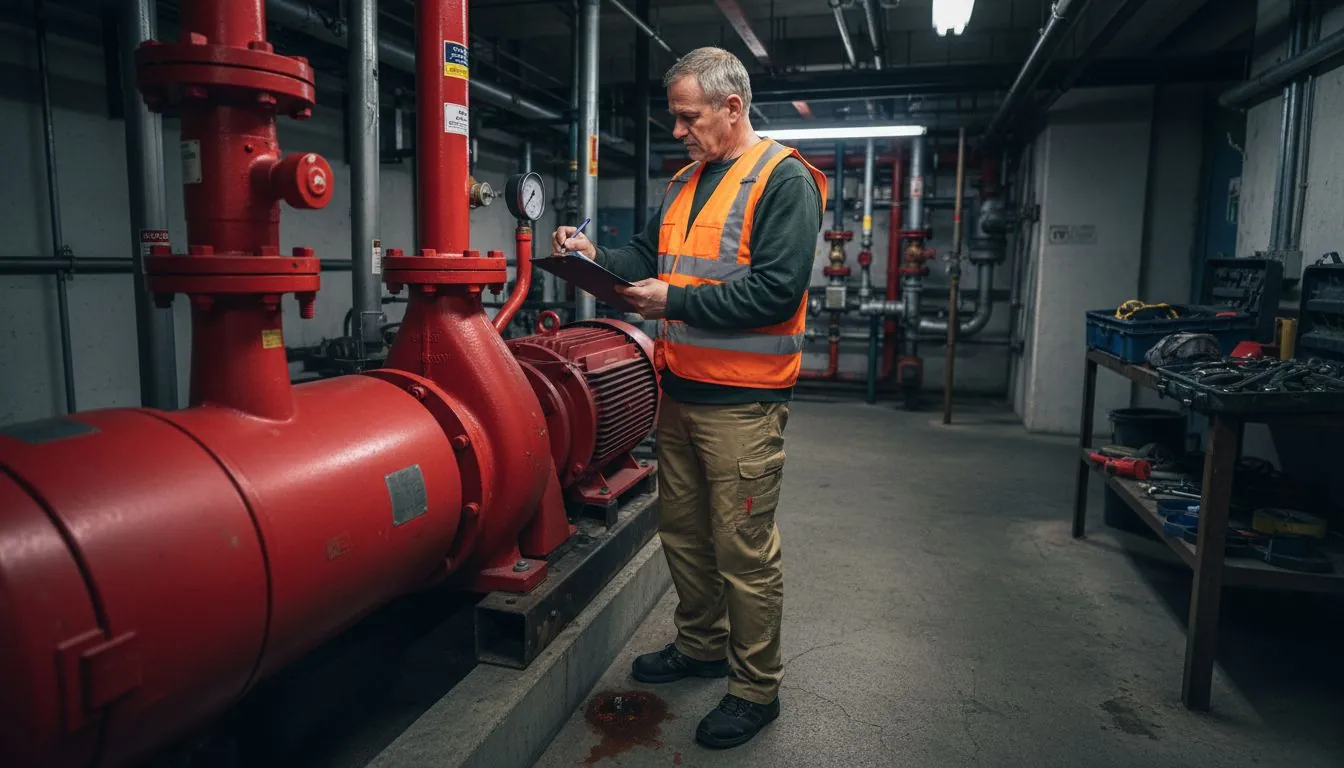

Regular standpipe flow testing is crucial for ensuring your building's fire protection systems are ready for emergencies and meet regulatory demands. For property owners and managers, understanding fire marshal standpipe requirements and the demands of an insurance fire system audit is paramount. These tests verify that your standpipe system can deliver the necessary water flow and pressure. Failing to maintain your systems can lead to issues during inspections and may impact insurance coverage. This process is a key part of comprehensive fire protection testing.
NFPA Code Enforcement and Standpipe Compliance Documentation
The National Fire Protection Association (NFPA) sets the standards for fire protection systems, including standpipes. NFPA 14 (2019 edition in Virginia) outlines installation and acceptance requirements, while NFPA 25 (2020 edition in Virginia) details inspection, testing, and maintenance. Fire marshals rely on these codes for enforcement, and during inspections they look for proof of regular, compliant testing, standpipe compliance documentation. FLOW provides complete field data and results, and produces and sends the test report. That documentation is also essential for an insurance fire system audit.
FLOW's accurate standpipe flow tests supply the critical field data, and FLOW produces and sends the report for AHJ submission or insurance records.
The Importance of Flow Testing for Insurance and Inspections
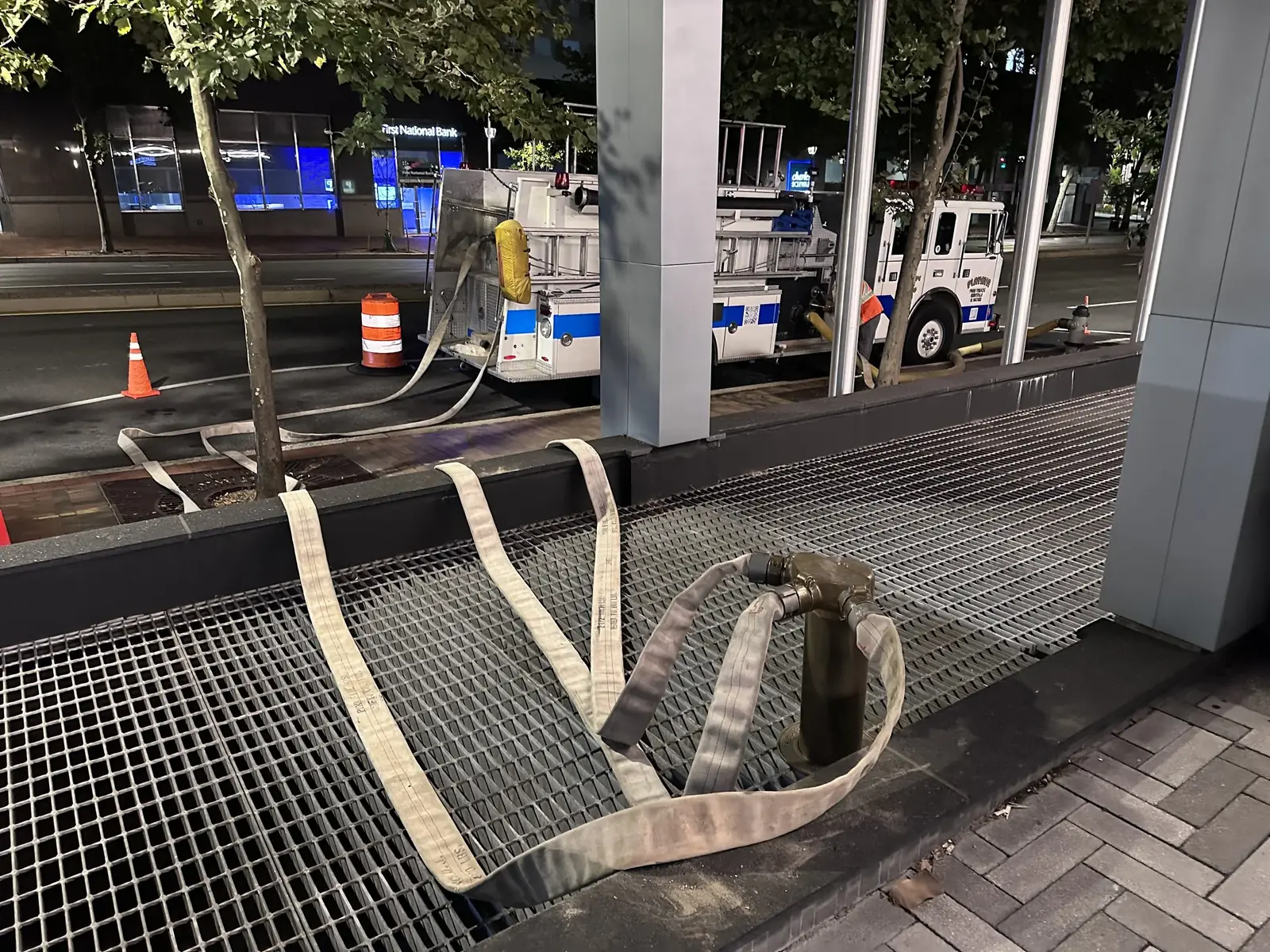
An insurance fire system audit often goes beyond visual checks. Insurers want performance data. Standpipe flow tests, which require access to a fire hydrant to supply water, measure the system's actual water delivery capability. This data confirms the system's ability to support firefighting efforts, a key factor in risk assessment. Similarly, fire marshals use these tests to verify that the system will perform as designed. For property owners and managers, these tests are an investment in risk mitigation.
Beyond standpipes, fire hydrant flow tests and hydrostatic pressure tests also play a role in overall building safety and compliance.
Ensuring Readiness: Beyond the Test
Standpipe flow testing is not just about passing an inspection or satisfying an insurance requirement; it is about why testing matters for occupant safety and property protection. Regular testing, including flow tests and pipe flushing, keeps the system ready. For contractors and developers and engineering firms, meeting these standards from the outset is critical.
To maintain compliance and ensure your building is prepared, schedule your standpipe flow testing today. Request a quote or contact us.
Sources
- NFPA 25, Standard for the Inspection, Testing, and Maintenance of Water-Based Fire Protection Systems, 2020 edition (enforced in Virginia via 2021 SFPC Ch. 80). National Fire Protection Association. https://www.nfpa.org/codes-and-standards/nfpa-25-standard-development/25
- NFPA 14, Standard for the Installation of Standpipe and Hose Systems, 2019 edition (Virginia 2021 VCC/SFPC). National Fire Protection Association. https://www.nfpa.org/codes-and-standards/nfpa-14-standard-development/14
- Inspection, Testing and Maintenance Records guidance. Fairfax County Fire Marshal. https://www.fairfaxcounty.gov/fire-ems/sites/fire-ems/files/Assets/Documents/PDF/fire%20marshal/LTI%20Inspection%20Testing%20and%20Maintenance%20Records.pdf
- 2021 Virginia Statewide Fire Prevention Code. Virginia Department of Housing and Community Development. https://www.dhcd.virginia.gov/sites/default/files/DocX/building-codes-regulations/archive-codes/2021/2021-virginia-statewide-fire-prevention-code.pdf