
NFPA Codes & Compliance
NFPA 14 governs how standpipe systems are installed. NFPA 25 governs the inspection, testing, and maintenance that keeps them compliant for the life of the building. Local building codes adopt both by reference, and your Authority Having Jurisdiction interprets them. These answers translate the standards into what an owner actually has to do.
NFPA Codes & Compliance questions, answered
The Codes & Compliance article cluster
Every guide below expands on the answers above, and each one links back here and across to the others so you can follow the whole topic end to end.
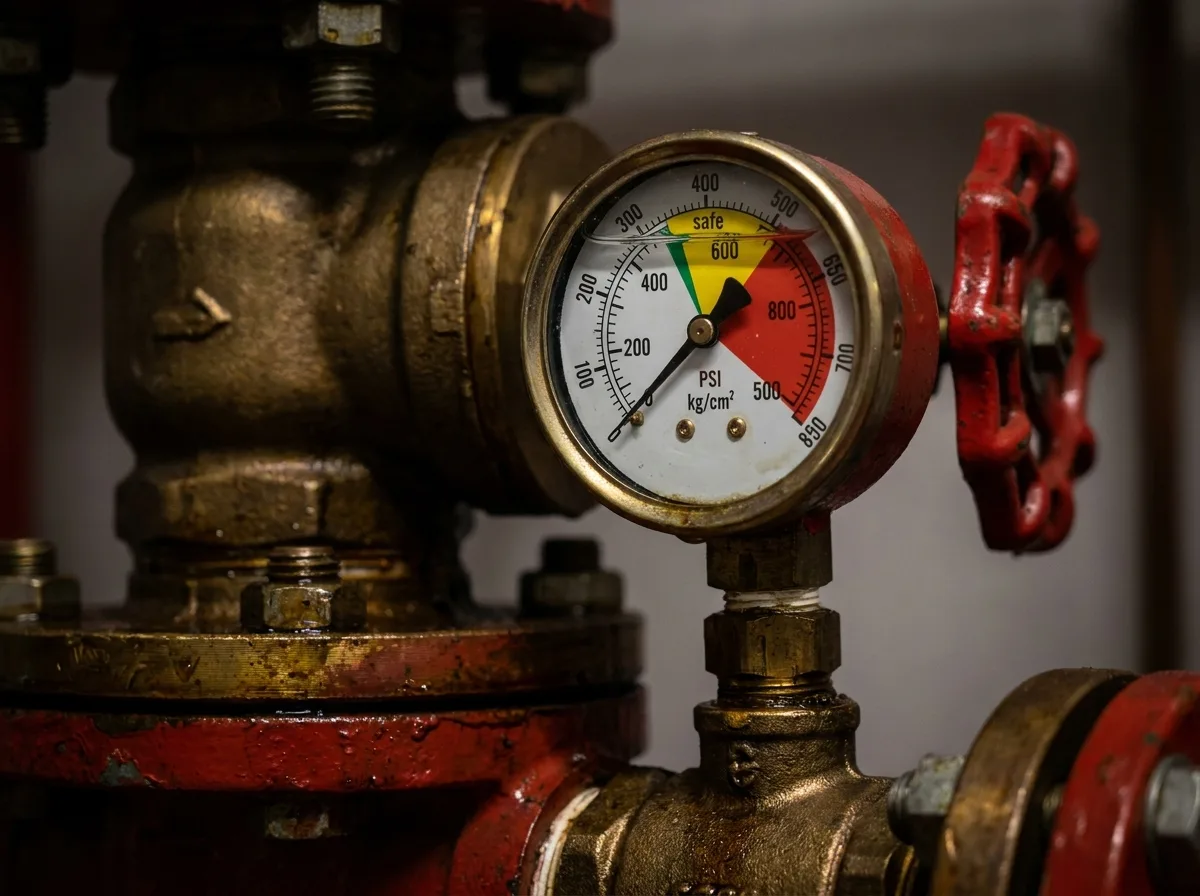
NFPA 25 Testing Frequency Chart: What Is Due and When
A plain-English reference for the inspection, testing, and maintenance intervals that matter most to building owners — weekly, monthly, quarterly, annual, 3-year, and 5-year.
Read article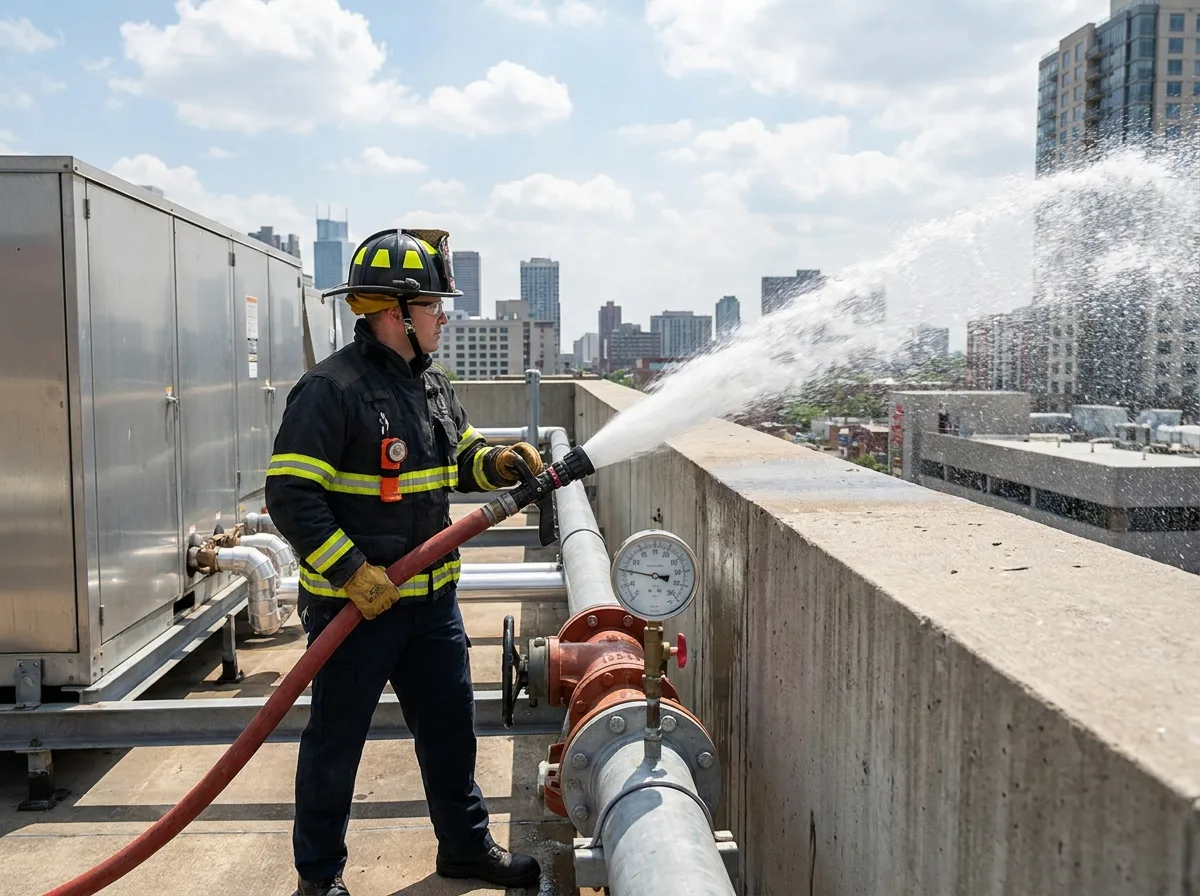
NFPA 14 Standpipe Testing Requirements — What Building Owners Actually Need to Know
NFPA 14 tells you how a standpipe must be built and accepted; NFPA 25 tells you how often to prove it still works. The recurring obligation owners miss is the five-year flow test at the hydraulically most remote hose connection. Verify against the adopted edition.
Read article
7 Essential NFPA 25 Best Practices for Contractors
NFPA 25 is an inspection, testing, and maintenance standard, not a visual walkthrough. Contractors stay compliant by knowing the required frequencies, flowing standpipes on the five-year interval, documenting every test, and handing the AHJ a complete report. Confirm every interval against the adopted edition.
Read article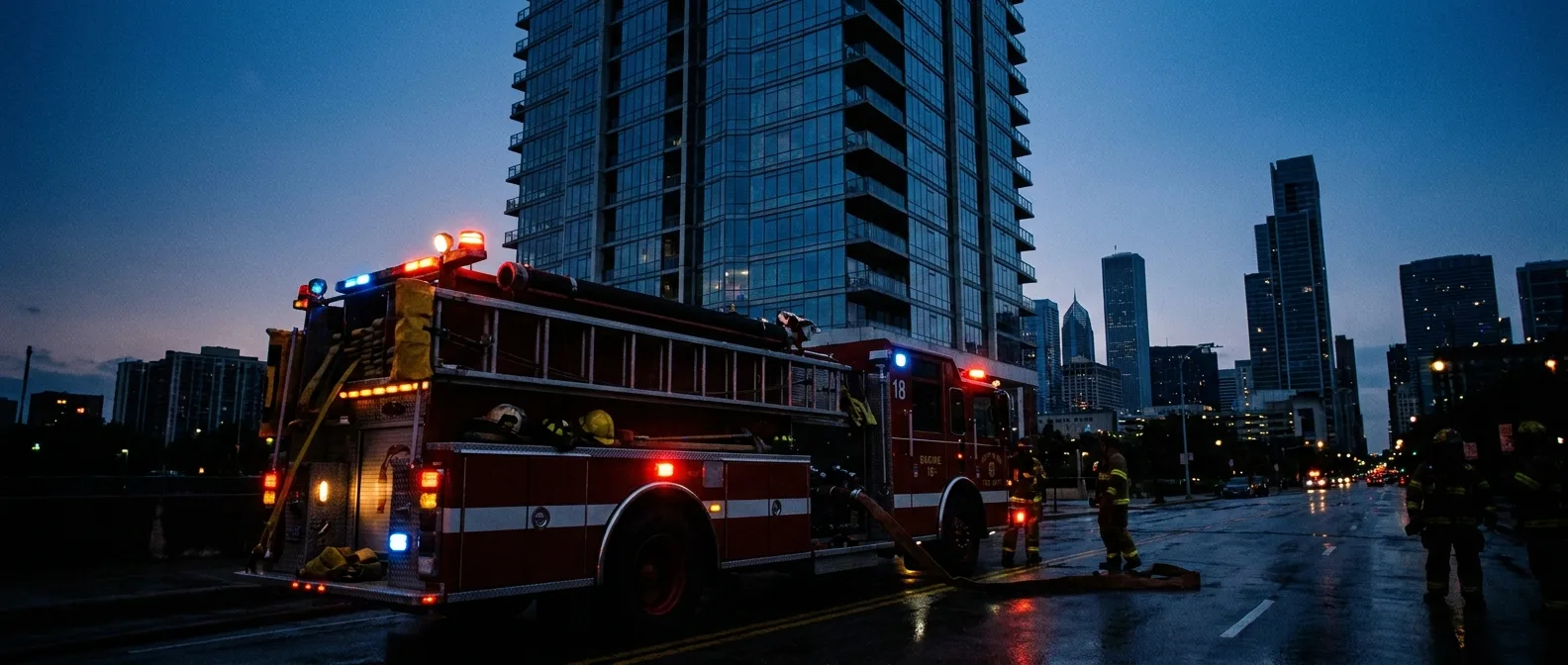
Virginia USBC Section 905.2 — Standpipe Requirements Decoded
Line-by-line walk-through of Virginia's adoption of NFPA 14 under the Uniform Statewide Building Code and what it means for property owners.
Read article
Fire Pump Testing Explained: NFPA Compliance Impact
NFPA 25 requires a no-flow (churn) test weekly on diesel fire pumps and monthly on most electric pumps, plus an annual flow test at no-flow, rated, and 150 percent capacity. Confirm the exact interval in the edition your AHJ has adopted.
Read article