
Pipe Flushing for Standpipes & Hydrants
Hydrants and standpipes sit idle for long stretches, and rust, sediment, and construction debris settle in the piping while they do. Flushing moves enough water to carry that debris out and shows whether a hydrant opens fully and flows clear. These answers cover what FLOW flushes, how often it comes up, and what is outside our scope.
Pipe Flushing for Standpipes & Hydrants questions, answered
The Pipe Flushing article cluster
Every guide below expands on the answers above, and each one links back here and across to the others so you can follow the whole topic end to end.
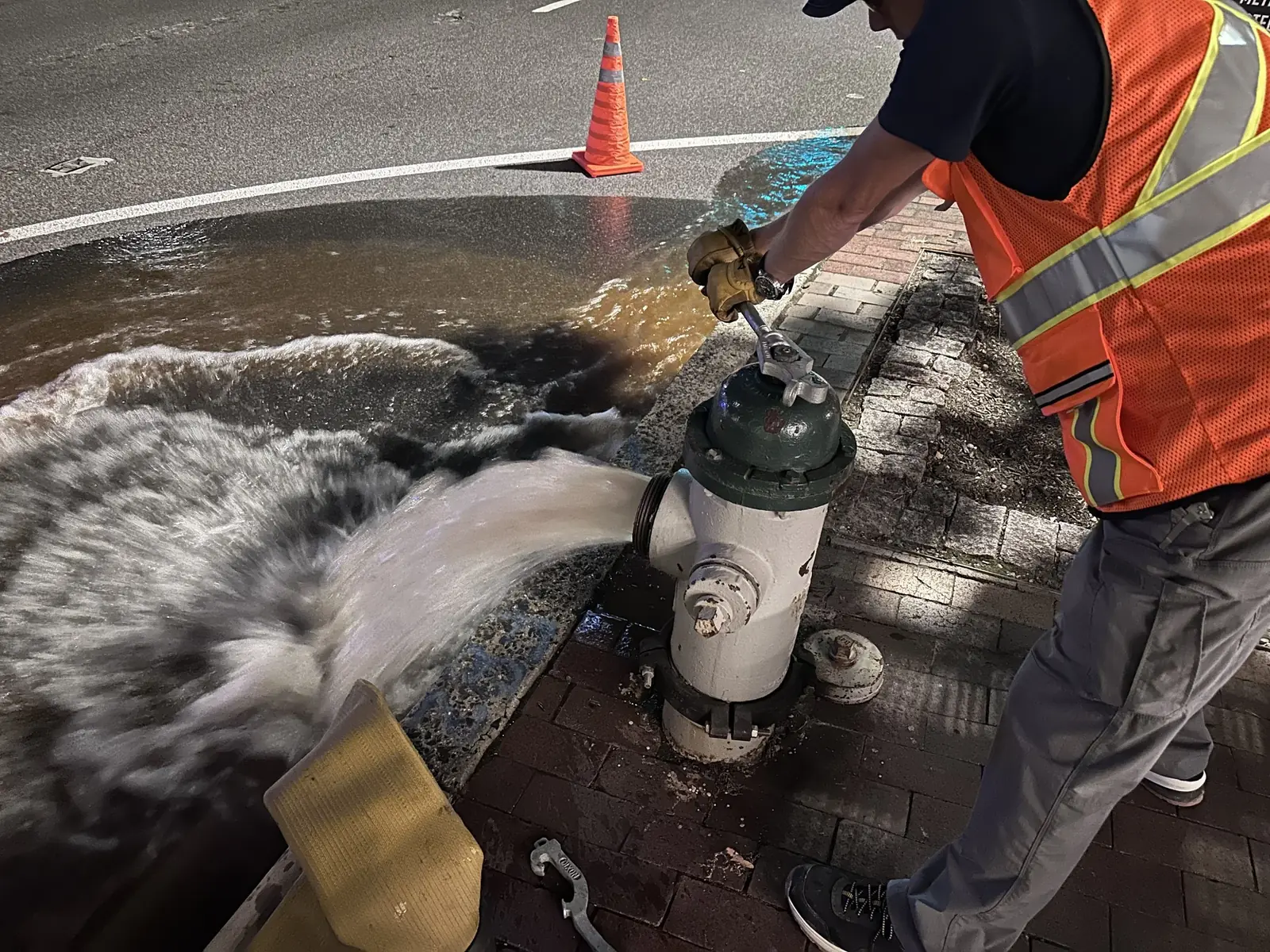
The Importance of Flushing Fire Hydrants and Standpipe Systems
Flush fire hydrants at least once a year, and assess standpipe piping on a five-year cycle, unless your AHJ requires more often. Annual hydrant operation clears rust and sediment so the barrel actually flows. Verify every interval against the adopted edition.
Read article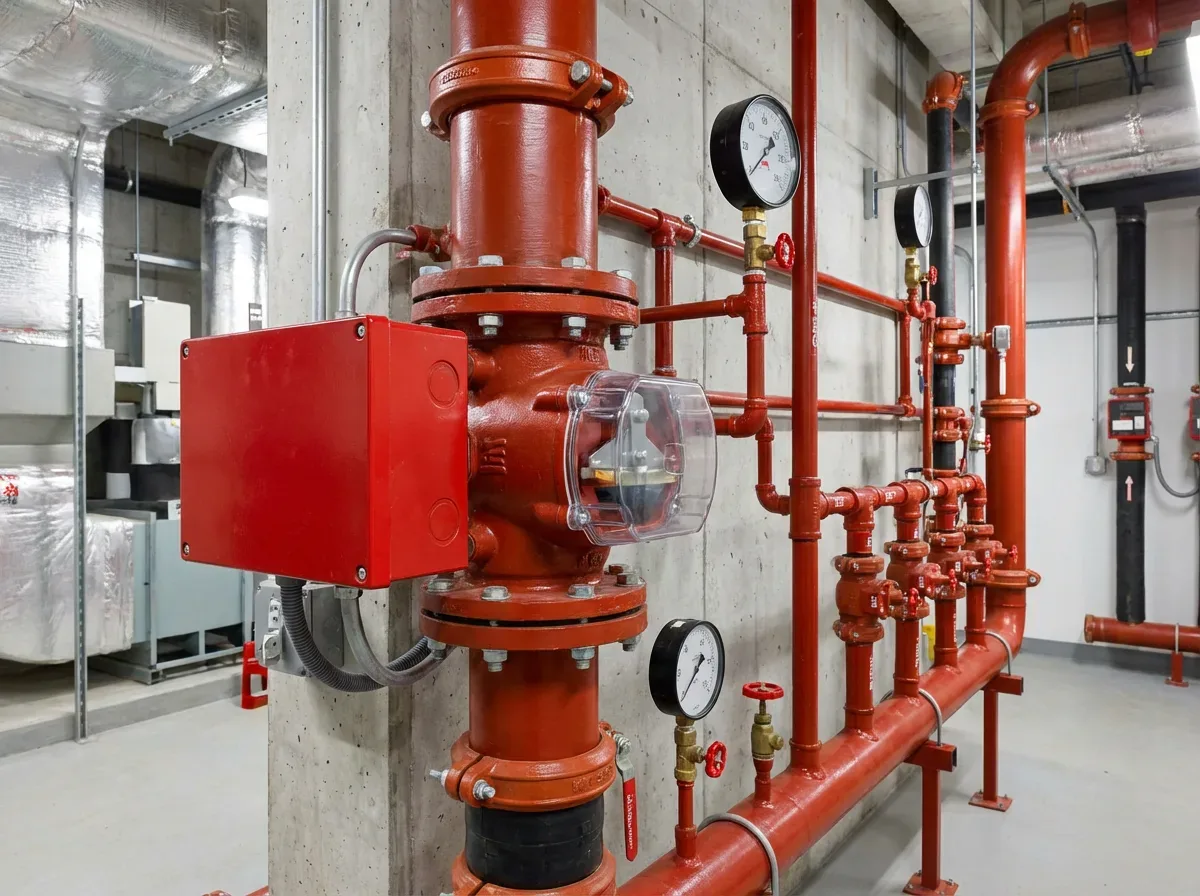
Dry Pipe Valve Trip Test: What It Is and Who Performs It
What a dry pipe valve trip test is, why it belongs to a sprinkler contractor, and which water-side tests FLOW performs instead: standpipe flow, hydrostatic, and hydrant flow tests.
Read article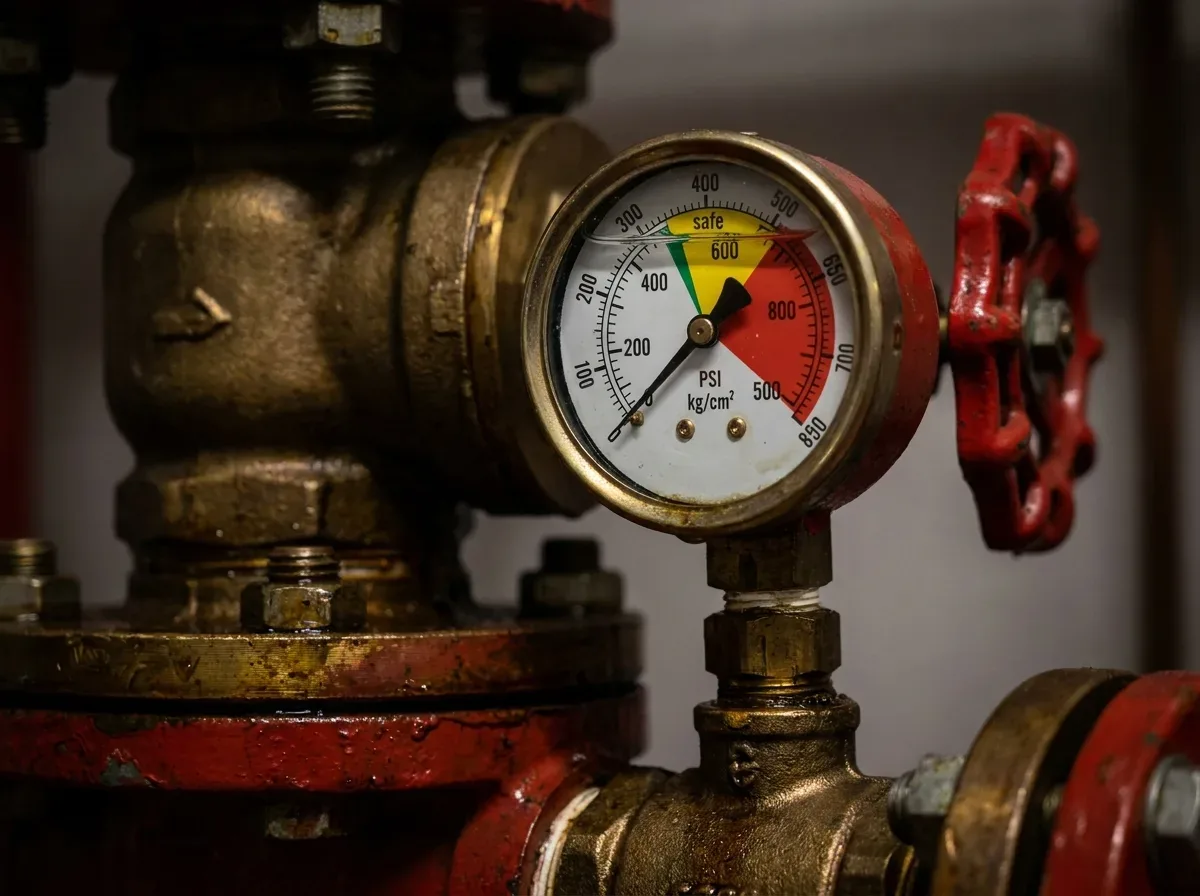
NFPA 25 Testing Frequency Chart: What Is Due and When
A plain-English reference for the inspection, testing, and maintenance intervals that matter most to building owners — weekly, monthly, quarterly, annual, 3-year, and 5-year.
Read articleTop Reasons Standpipe Systems Fail a Flow Test
Closed valves, dead fire pumps, corroded piping, undersized supply, and construction debris — the failures we find most often, and what each one costs to fix.
Read article