
Insurance, Liability & System Failures
The most expensive consequence of skipped testing is not a code violation — it is a reduced or denied insurance claim after a loss. Commercial policies condition coverage on maintaining fire protection systems per applicable standards. These answers explain what carriers look for and what documented failures have actually cost building owners.
Insurance, Liability & System Failures questions, answered
The Insurance & Liability article cluster
Every guide below expands on the answers above, and each one links back here and across to the others so you can follow the whole topic end to end.
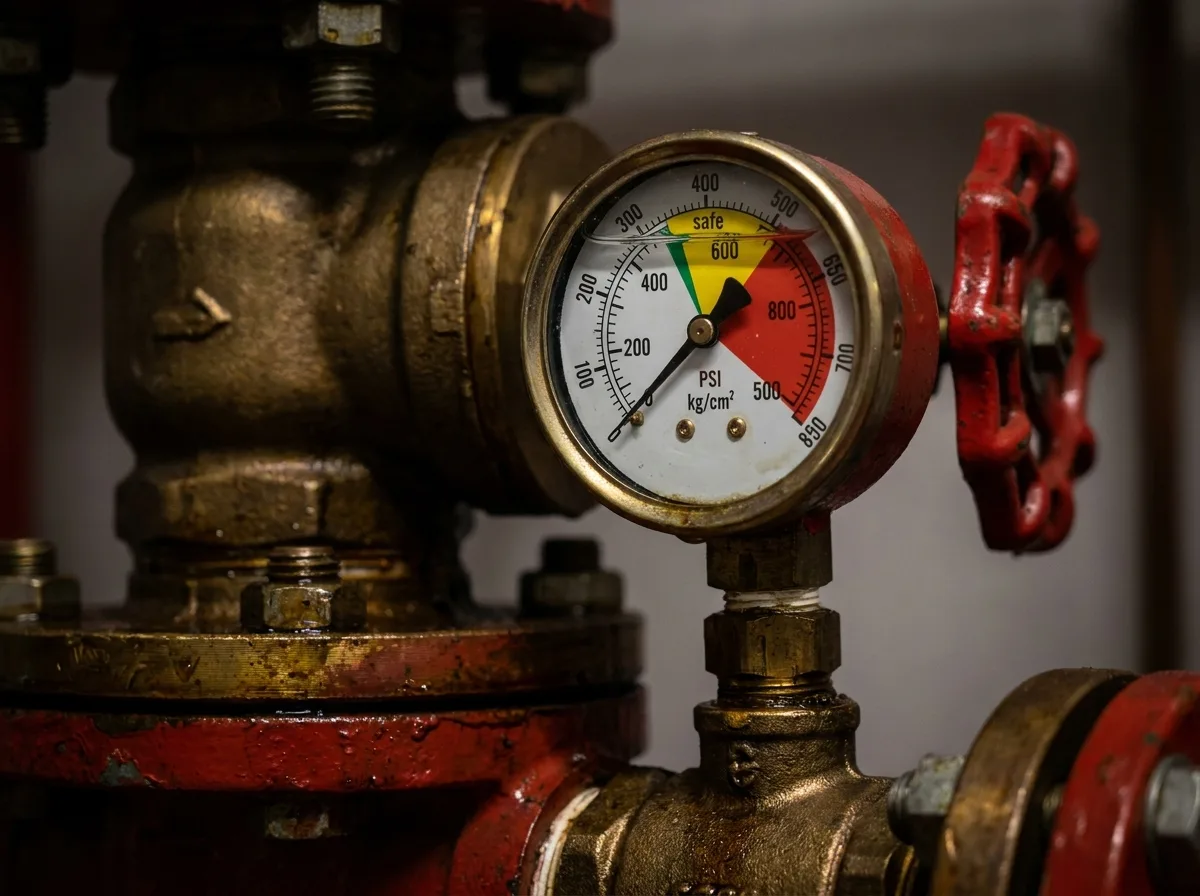
Insurance Won't Cover What You Didn't Maintain — A Claims Adjuster's Perspective
What insurance carriers actually look for in fire system documentation at claim time, and the most common reasons claims get denied.
Read article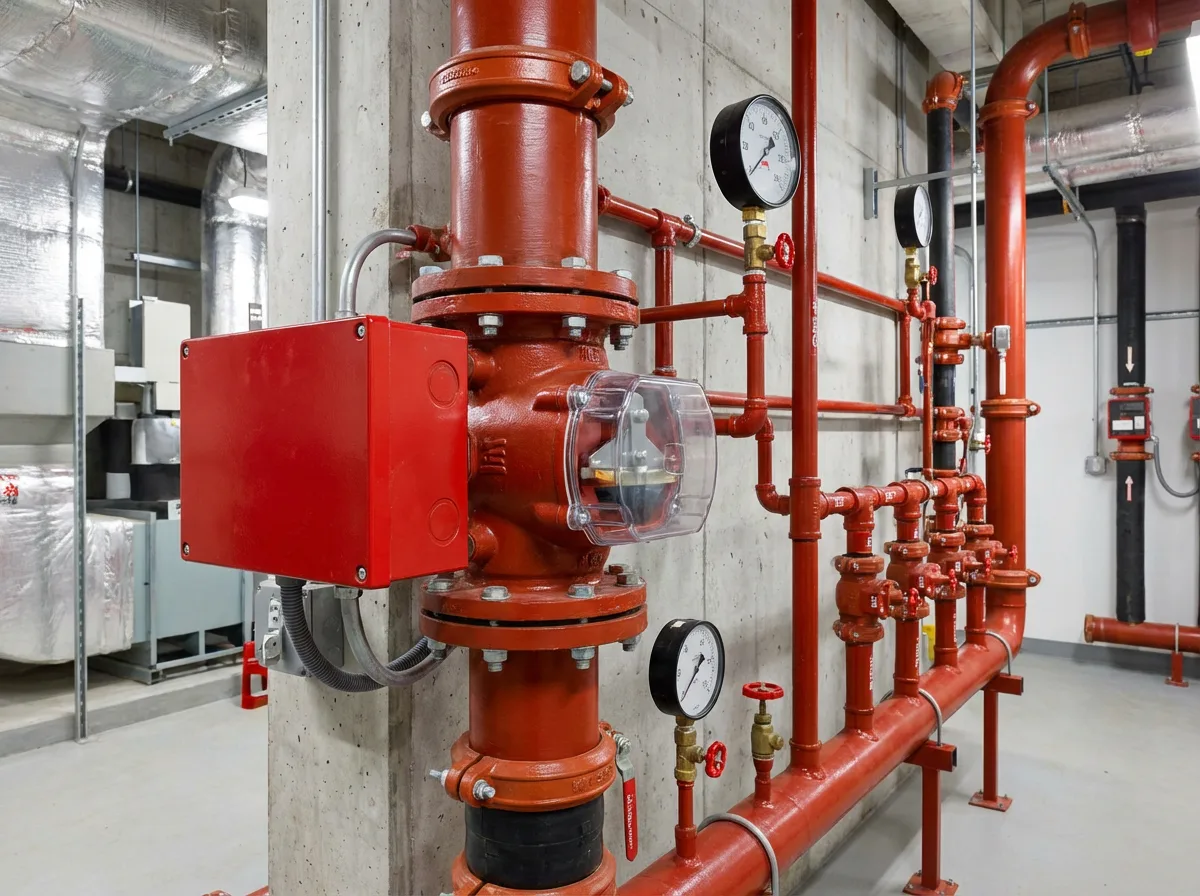
Top Reasons Standpipe Systems Fail a Flow Test
Closed valves, dead fire pumps, corroded piping, undersized supply, and construction debris — the failures we find most often, and what each one costs to fix.
Read article
The Hidden Cost of a Failed Flow Test at CO
Real numbers from real projects: what a single failed acceptance test costs in schedule delays, carrying costs, and lost lease-up revenue.
Read article
Why Standpipe & Hydrant Flow Testing Matters and How It Can Drive Revenue
Just because many jurisdictions are not enforcing NFPA-mandated standpipe and hydrant flow testing does not mean it is not critical. Here is why proactive testing protects lives and property — and how it opens an untapped revenue stream most firms are ignoring.
Read article