
South Carolina Fire System Testing
In South Carolina, FLOW leads with two services. The first is underwater rover (ROV) inspection of fire protection water tanks, where a pilot flies the rover inside the tank while it stays full and in service. The second is fire hydrant flow testing, where FLOW runs the test, produces the report, and sends it to you. We cover hotels, resorts, coastal condominium towers, campuses, and industrial sites across the state, and we work from the NFPA 25 edition your AHJ has adopted. Coverage includes Charleston, Mount Pleasant & North Charleston, Columbia, Greenville, Spartanburg, and more. Local authority having jurisdiction (AHJ).
South Carolina Fire System Testing questions, answered
The South Carolina article cluster
Every guide below expands on the answers above, and each one links back here and across to the others so you can follow the whole topic end to end.
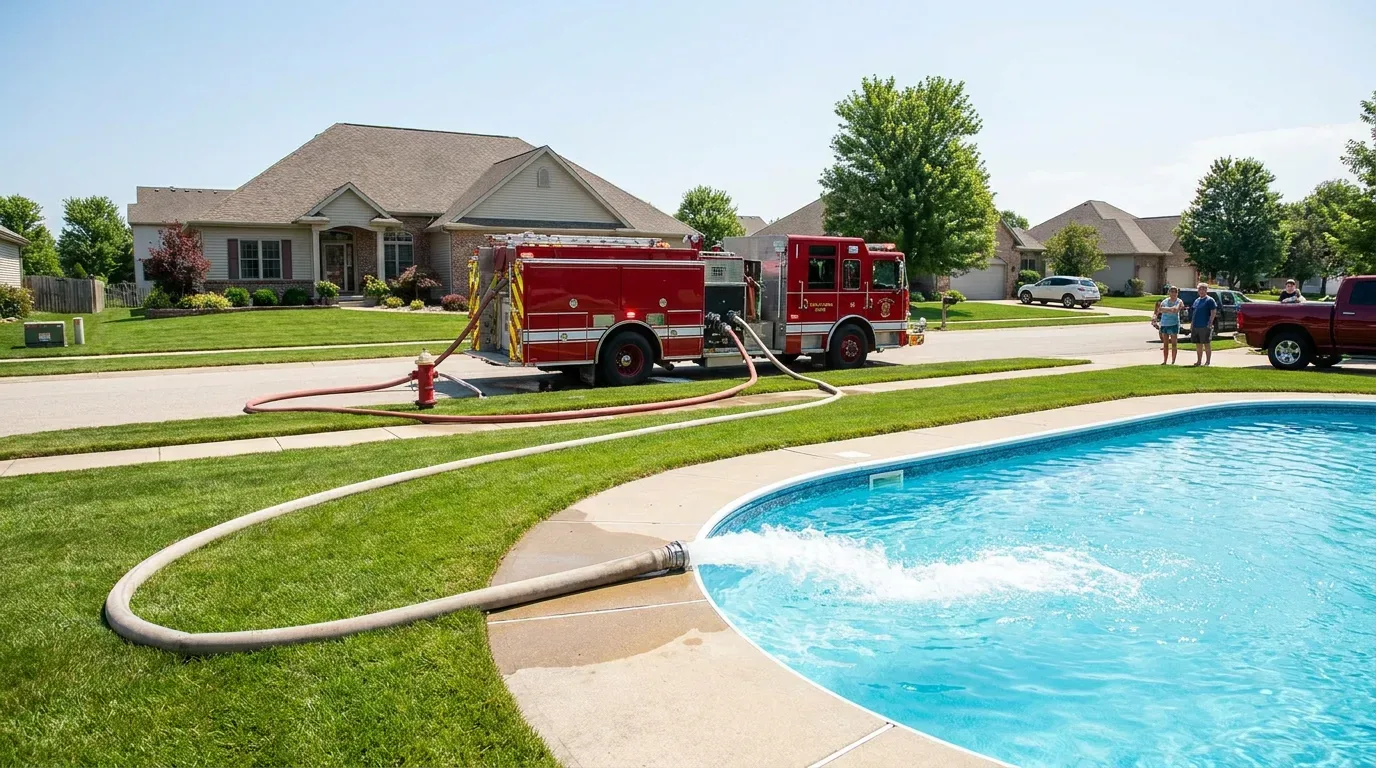
Fire Protection Testing in South Carolina: ROV Tank Inspection and Hydrant Flow Testing
How FLOW inspects fire water tanks in South Carolina with an underwater rover while the tank stays full, how hydrant flow testing works, and how to request standpipe flow testing.
Read article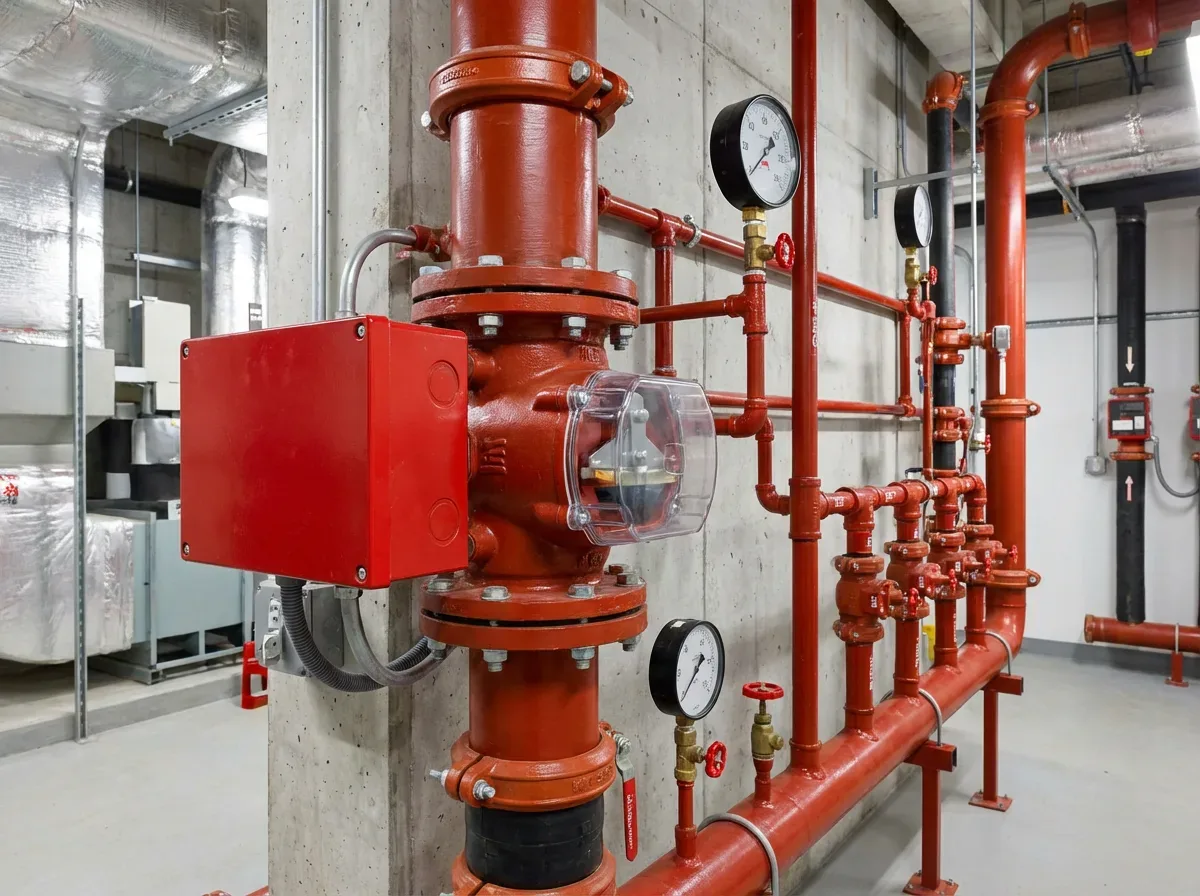
Top Reasons Standpipe Systems Fail a Flow Test
Closed valves, dead fire pumps, corroded piping, undersized supply, and construction debris — the failures we find most often, and what each one costs to fix.
Read article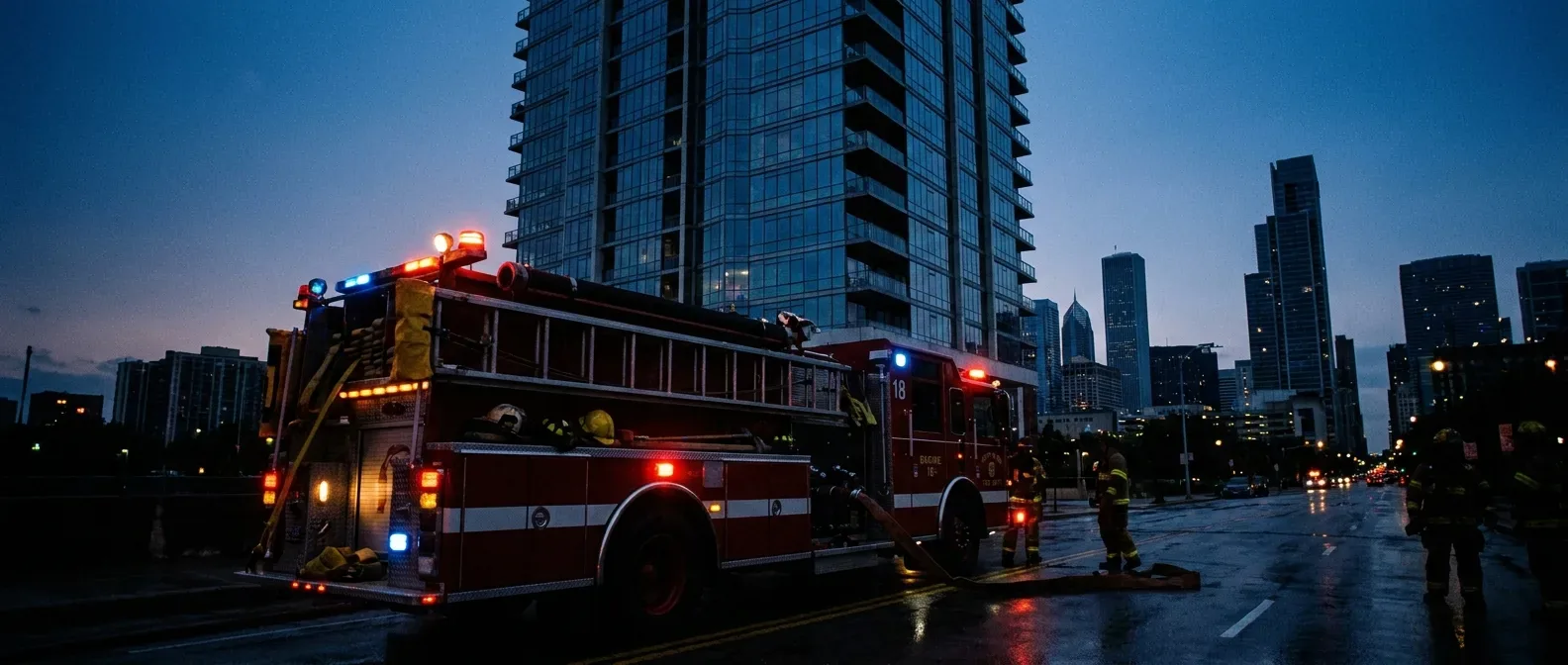
Multi-State Fire Protection Testing: One Vendor, One Calendar, Five Jurisdictions
How owners with buildings across Virginia, Maryland, DC, North Carolina, and South Carolina cut testing cost and eliminate missed intervals by consolidating standpipe, hydrant, and hydrostatic testing under one vendor.
Read article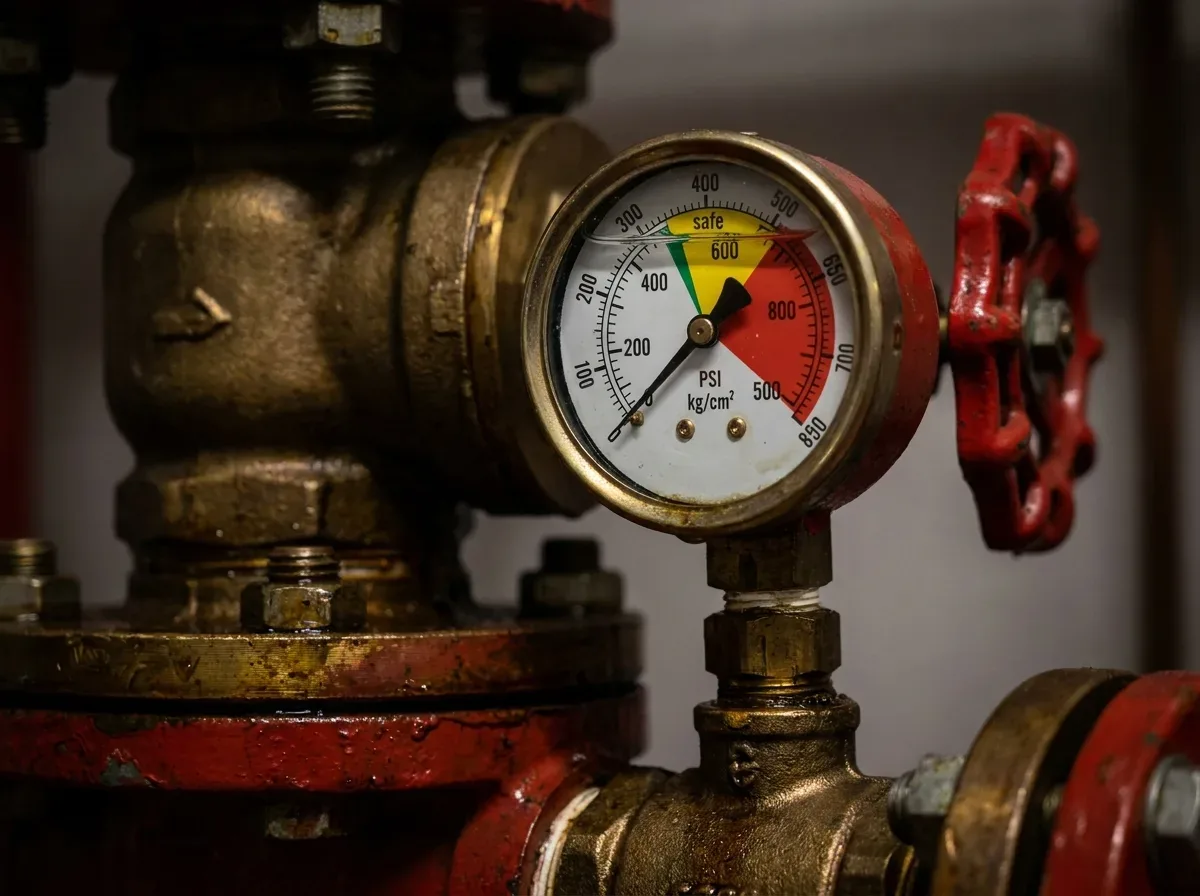
NFPA 25 Testing Frequency Chart: What Is Due and When
A plain-English reference for the inspection, testing, and maintenance intervals that matter most to building owners — weekly, monthly, quarterly, annual, 3-year, and 5-year.
Read articleHow Much Does a Standpipe Flow Test Cost?
An honest look at what drives the price of a standpipe flow test, hydrostatic test, or hydrant flow test — building height, number of risers, water disposal, access, and scheduling.
Read article