
Fire System Flow Testing in South Carolina
Charleston, Columbia, the Upstate, and the Grand Strand.
South Carolina's testing demand is concentrated in hospitality and coastal high-rise: hotels, resorts, and oceanfront condominium towers where standpipes are exposed to salt air and where a failed system means an evacuated building. We perform 5-year standpipe flow tests, hydrostatic tests on dry standpipes, hydrant flow tests, and dry pipe trip tests across the state under the South Carolina Building Codes and NFPA 25.
South Carolina Building Codes (IBC/IFC-based) enforced by local building officials and the State Fire Marshal
South Carolina adopts the I-Codes statewide, which reference NFPA 14 for standpipe installation and NFPA 25 for ongoing inspection, testing, and maintenance. Coastal jurisdictions pay particular attention to corrosion and obstruction in standpipe piping, which is exactly what a full-flow test and internal investigation are designed to expose.
Covered on scheduled Southeast routes. Coastal hospitality properties often test in shoulder season to avoid peak occupancy — we plan around your calendar.
Cities & metros we serve in South Carolina
If your building is not on this list, ask — coverage is broader than the highlights below.
Hotel, historic district, and port facility standpipes
New multifamily and industrial systems
Government, campus, and downtown mid-rise
Downtown high-rise, hotel, and manufacturing
Distribution, manufacturing, and institutional
Oceanfront resort high-rise standpipes
Resort, hospitality, and gated community systems
Charlotte-adjacent multifamily and commercial
Medical center and I-95 corridor properties
Campus, student housing, and civic buildings
South Carolina fire system testing FAQs
6 answers for South Carolina owners, managers, and contractors. The full set lives on the South Carolina FAQ hub inside our Master FAQ Guide.
Read more about testing in South Carolina
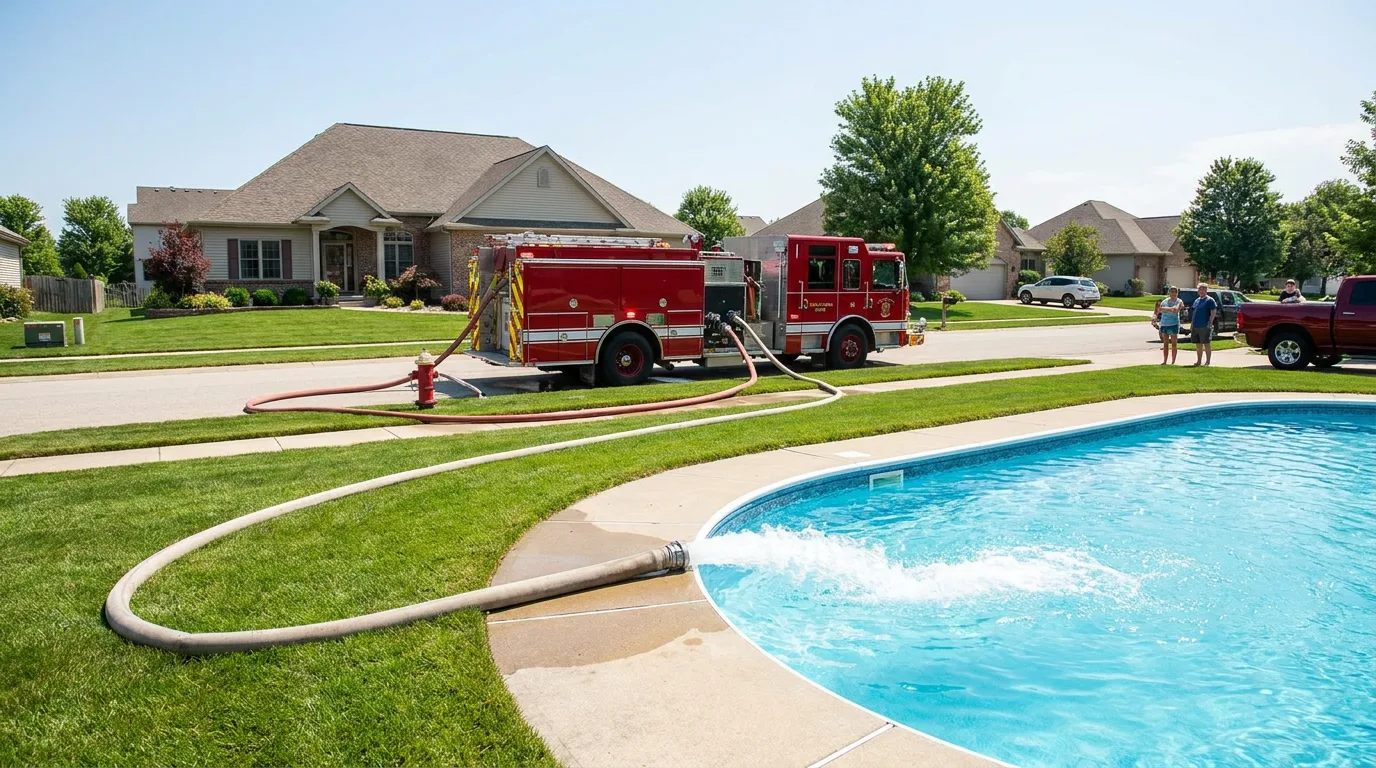
Standpipe Flow Testing in South Carolina: Coastal Towers, Hotels, and Condo Boards
What South Carolina code requires, how salt air quietly degrades standpipe systems, and how hotels, resorts, and oceanfront condominium associations schedule 5-year flow testing without disrupting guests.
Read guide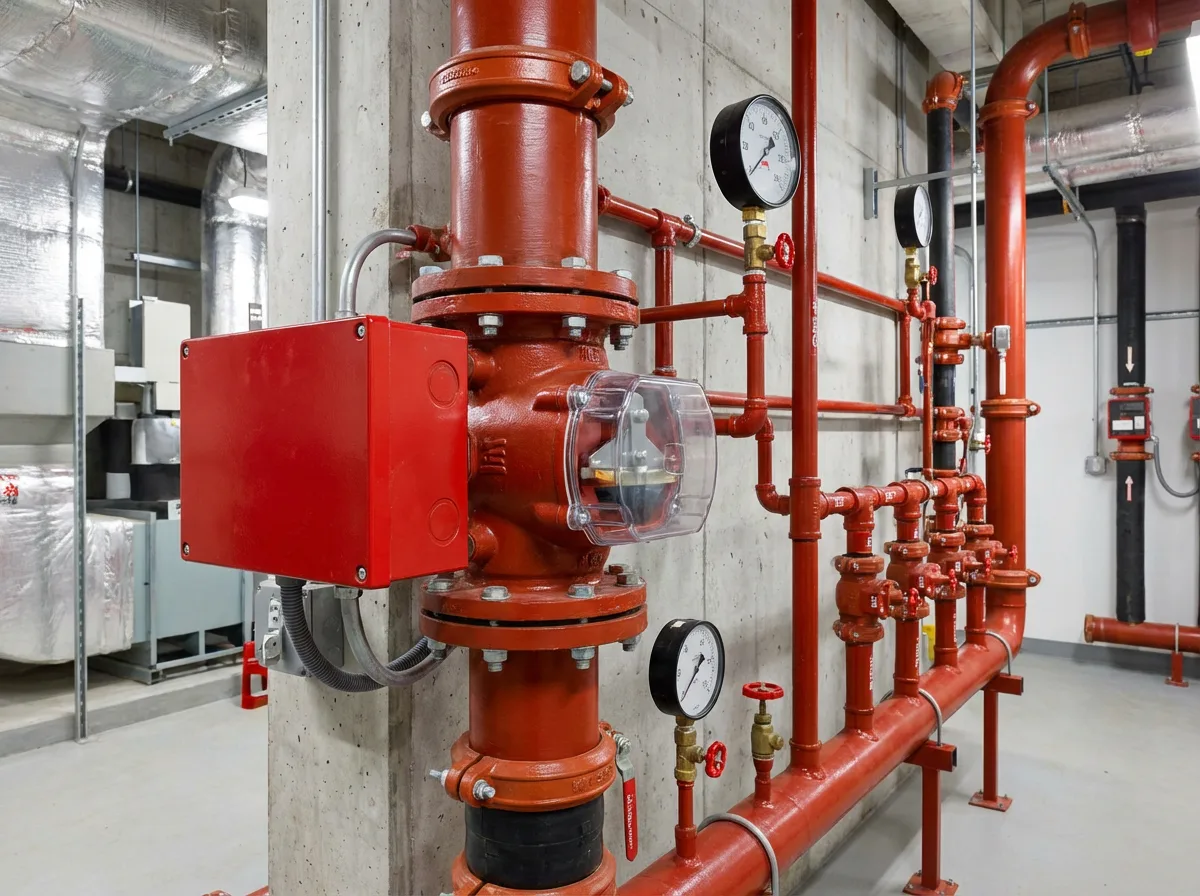
Top Reasons Standpipe Systems Fail a Flow Test
Closed valves, dead fire pumps, corroded piping, undersized supply, and construction debris — the failures we find most often, and what each one costs to fix.
Read guide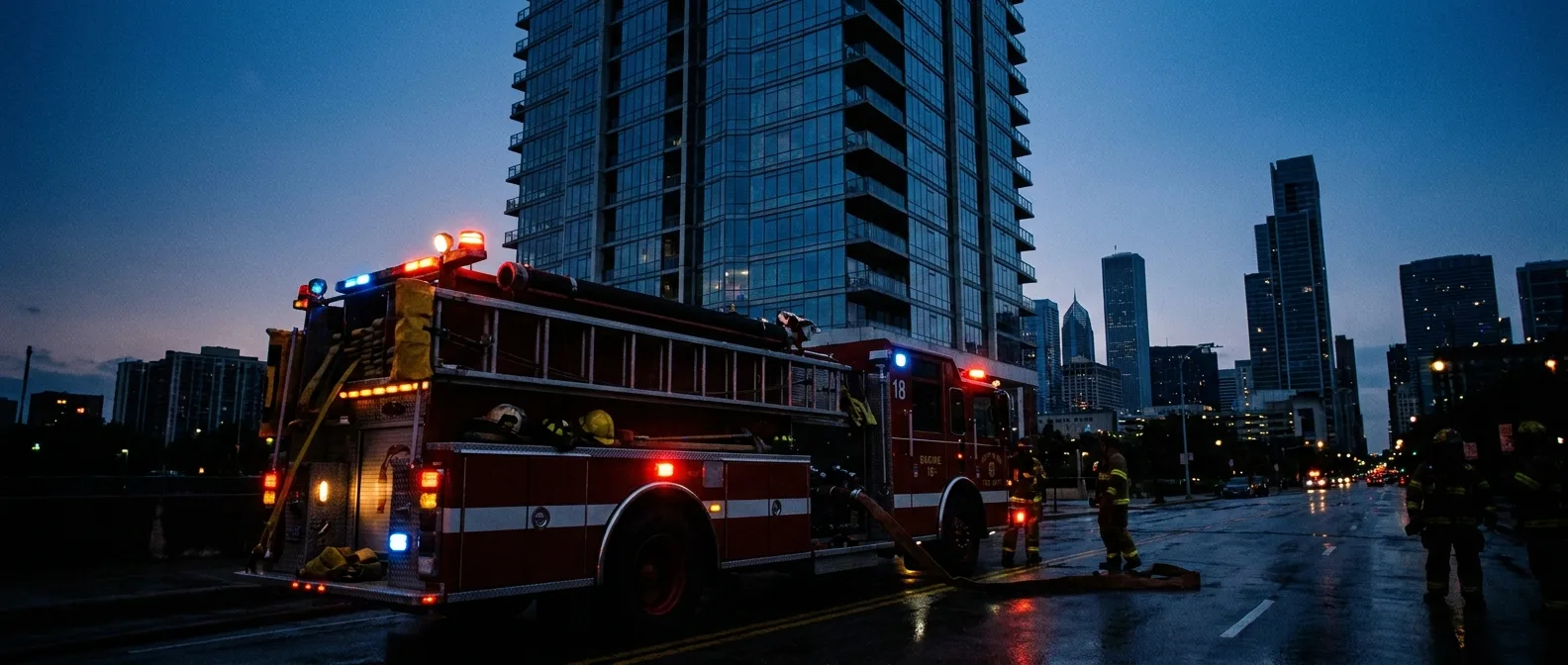
Multi-State Fire Protection Testing: One Vendor, One Calendar, Five Jurisdictions
How owners with buildings across Virginia, Maryland, DC, North Carolina, and South Carolina cut testing cost and eliminate missed intervals by consolidating standpipe, hydrant, and hydrostatic testing under one vendor.
Read guide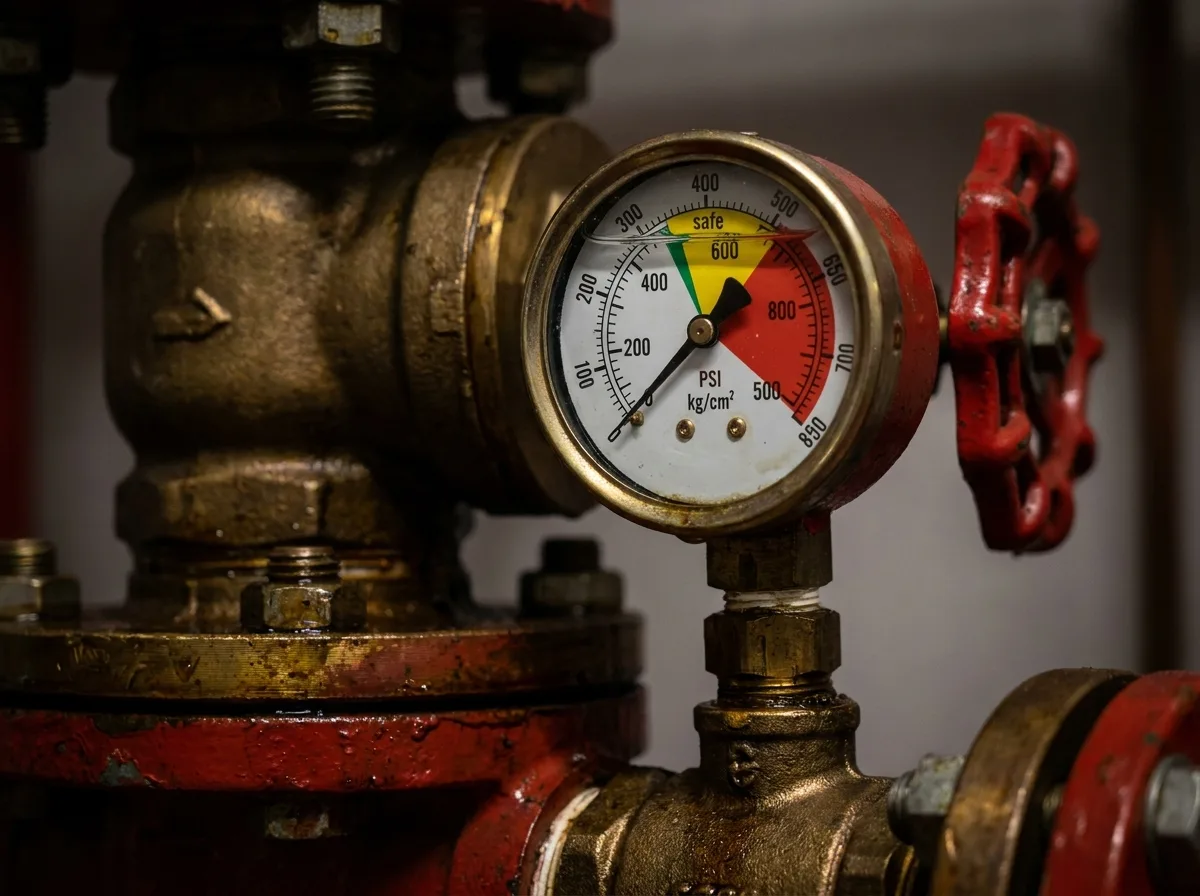
NFPA 25 Testing Frequency Chart: What Is Due and When
A plain-English reference for the inspection, testing, and maintenance intervals that matter most to building owners — weekly, monthly, quarterly, annual, 3-year, and 5-year.
Read guideHow Much Does a Standpipe Flow Test Cost?
An honest look at what drives the price of a standpipe flow test, hydrostatic test, or hydrant flow test — building height, number of risers, water disposal, access, and scheduling.
Read guideOther service areas
Need testing in South Carolina?
Send the building address and riser count — most SC quotes go out within one business day.