
Fire Hydrant Flow Testing
Every sprinkler hydraulic calculation and every standpipe design starts with one question: how much water can the supply actually deliver? A fire hydrant flow test answers it with measured static pressure, residual pressure under flow, and pitot-derived GPM. These answers cover how the test works, how long the data stays valid, and who needs it.
Fire Hydrant Flow Testing questions, answered
The Hydrant Testing article cluster
Every guide below expands on the answers above, and each one links back here and across to the others so you can follow the whole topic end to end.
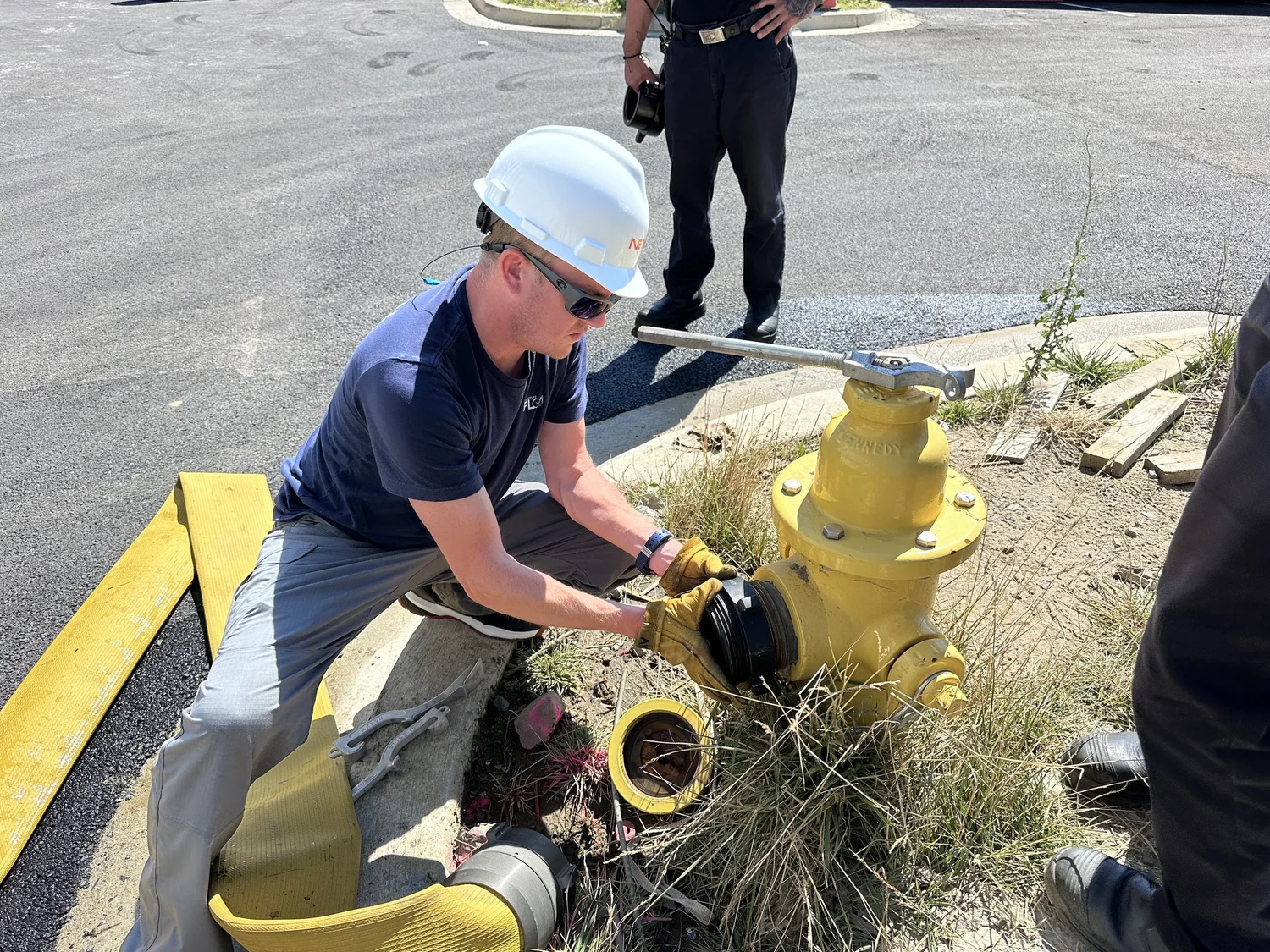
How Often Are Fire Hydrants Tested? NFPA 25 and Hydrant Flow Tests
How often are fire hydrants tested? Private fire hydrants are inspected annually and after each operation, and operated and flowed annually under NFPA 25. The mains that feed them are flow-tested on a longer cycle, commonly every 5 years. Verify against the adopted edition.
Read article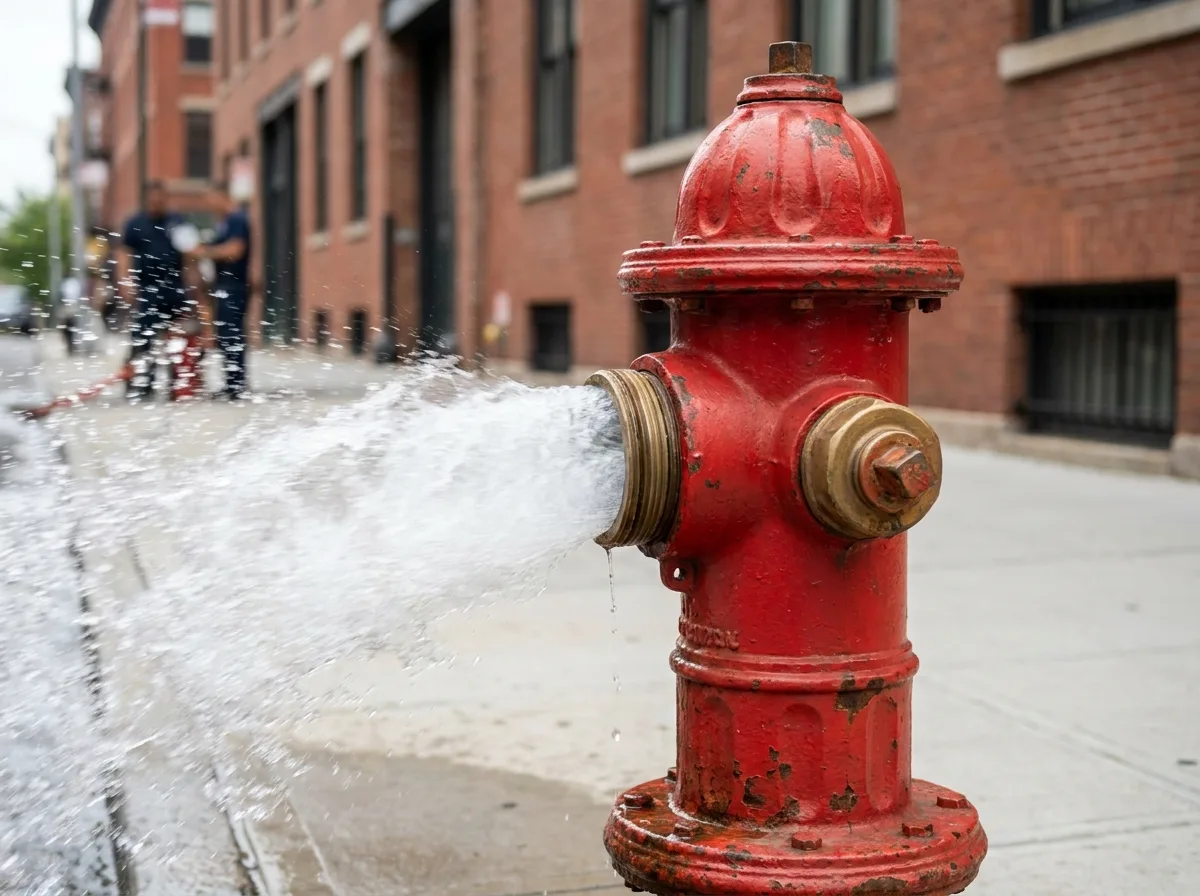
Hydrant Flow Test Data Is Perishable — Here's How Long Yours Lasts
Why 5-year-old hydrant data can produce undersized fire sprinkler designs, and how often you should actually retest for reliable hydraulic calculations.
Read articleNFPA 291 Hydrant Color Codes and What They Tell You About Flow
What the blue, green, orange, and red bonnet colors on a fire hydrant actually mean, how those classifications are assigned, and why the paint is no substitute for a current flow test.
Read article
The Importance of Flushing Fire Hydrants and Standpipe Systems
Flush fire hydrants at least once a year, and assess standpipe piping on a five-year cycle, unless your AHJ requires more often. Annual hydrant operation clears rust and sediment so the barrel actually flows. Verify every interval against the adopted edition.
Read article