
In most cases, yes. NFPA 25 requires a five-year standpipe flow test on automatic standpipe systems to verify required flow and pressure at the hydraulically most remote hose valve. The property owner is responsible for scheduling it and keeping the report. Manual and dry systems share that five-year clock for hydrostatic testing. Verify against the adopted edition.
When it comes to maintaining fire protection systems, one question that often arises is whether you are required to conduct a 5-year standpipe flow test. The short answer is: yes, in most cases, you are obligated to perform this test. But let's break down why this is necessary and who exactly might be on the hook for ensuring it gets done. For the broader argument behind proactive testing, start with Why Test.
What is a Standpipe Flow Test?
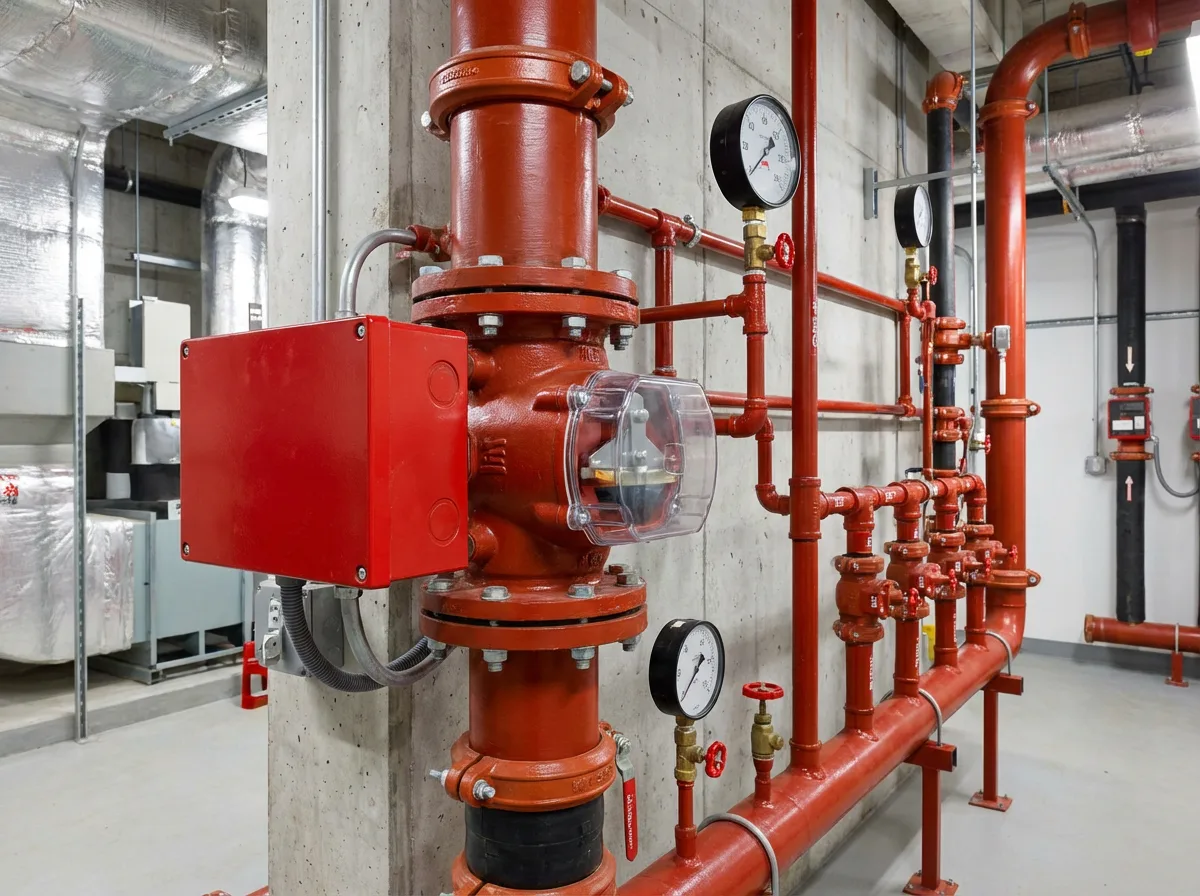
A standpipe system is a series of pipes that deliver water to designated areas of a building to aid in firefighting efforts. These systems are crucial in high-rise buildings, large commercial properties, and industrial facilities. A standpipe flow test measures the water flow and pressure to ensure the system is capable of delivering adequate water in the event of a fire. The water supply behind the system matters too, which is why a fire hydrant flow test is often run alongside standpipe testing on larger projects.
Why is the 5-Year Standpipe Flow Test Required?
According to the National Fire Protection Association (NFPA) standards, particularly **NFPA 25**, automatic standpipe systems must undergo a flow test every five years (NFPA 25 §6.3.1.1). Manual systems are not in that sentence; they sit under the five-year hydrostatic test (NFPA 25 §6.3.2.1). That is why the honest answer is "in most cases," not "always." This requirement ensures that the system is functioning correctly and that there are no blockages, corrosion, or other issues that could hinder its performance during an emergency. The same standard drives the hydrostatic pressure tests and trip tests and pipe flushing (NFPA 25 §13.4.5.2.2 in the 2023 edition; older editions use §13.4.4.2.2) that round out a complete maintenance program. Confirm the NFPA 25 inspection frequencies against the adopted edition, and we decode the broader requirement in NFPA 14 Standpipe Testing Requirements.
Who is Responsible for the Test?
If you are a property owner, building manager, or facilities maintenance supervisor, you are typically responsible for ensuring that the 5-year standpipe flow test is conducted (NFPA 25 §4.1.1 places the duty on the property owner or designated representative; §4.3 covers keeping the records). Failure to comply with this requirement can result in fines, penalties, and increased liability in the event of a fire. Insurance companies may also deny claims if it is found that proper maintenance and testing were not performed, exactly the scenario we lay out in Insurance Won't Cover What You Didn't Maintain.

What Happens During the Test?
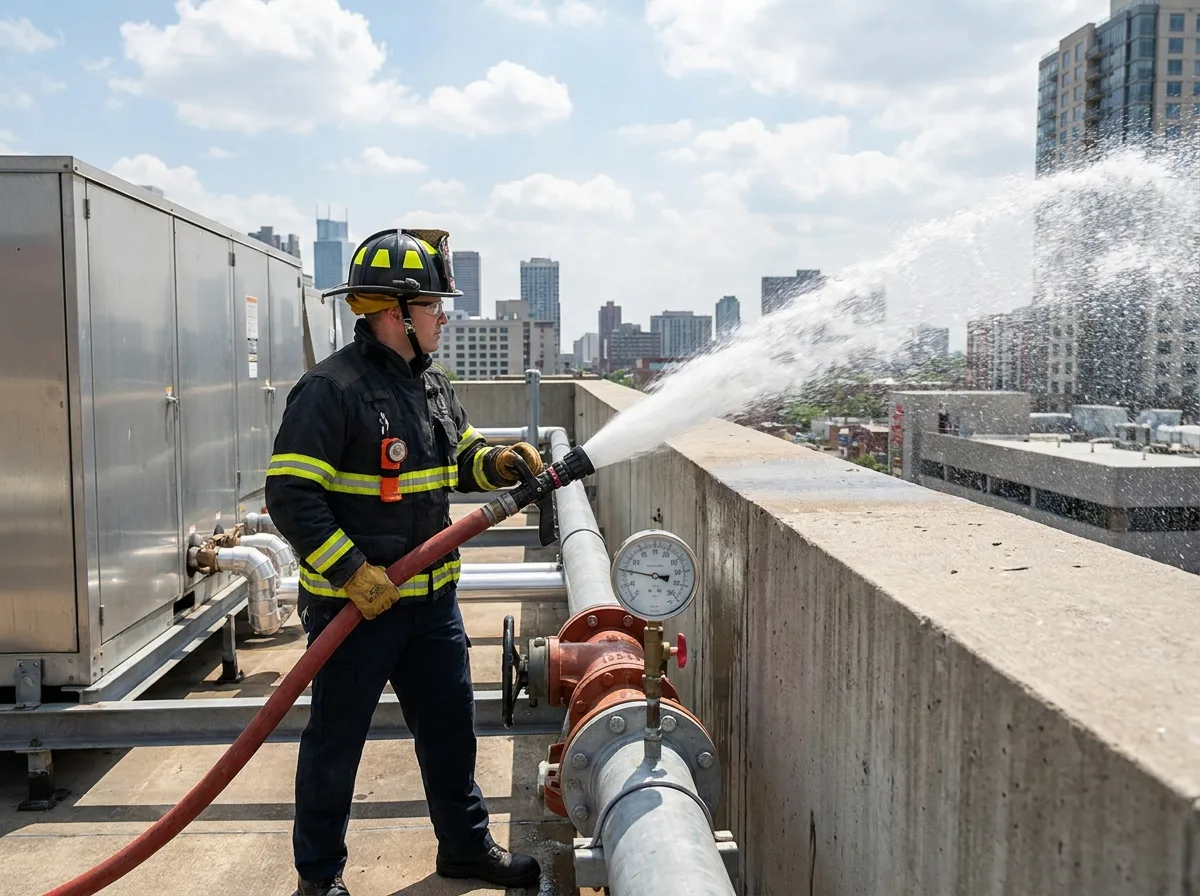
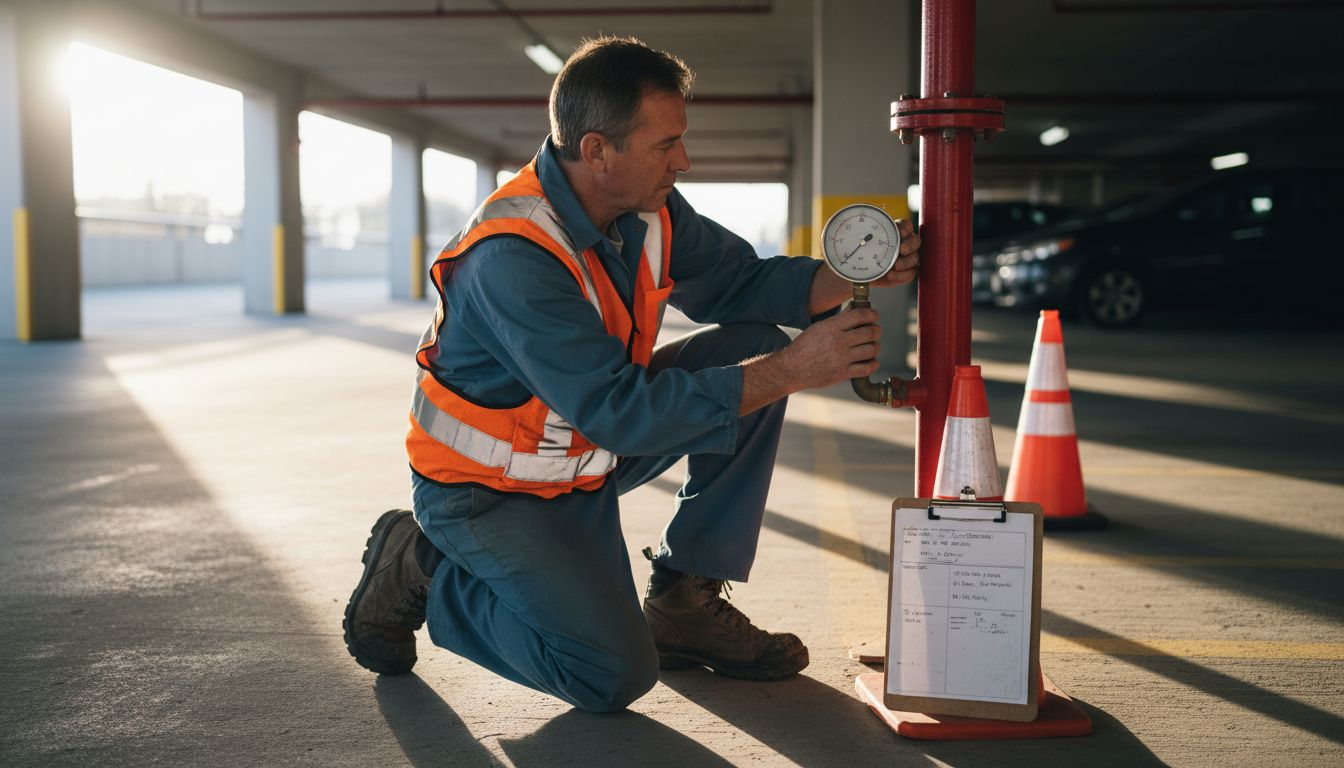
A certified fire protection professional will open the standpipe valves to simulate firefighting conditions. They will measure the water flow and pressure at different points in the system, check for any leaks, and inspect the physical condition of the pipes. Any deficiencies found during the test will need to be addressed promptly to maintain compliance and ensure safety.
A flow test is the only thing that proves your standpipe will actually deliver water at the right pressure when a firefighter opens a valve.
Consequences of Not Performing the Test
Neglecting the 5-year standpipe flow test can have serious consequences. In addition to potential fines from local fire departments or code enforcement agencies, you risk the safety of building occupants. A malfunctioning standpipe system can lead to catastrophic outcomes in the event of a fire. Moreover, legal liability can fall on property owners and managers if it's proven that a lack of proper testing contributed to fire-related damages or injuries.
- Fines and penalties from local fire departments or code enforcement agencies.
- Denied insurance claims when maintenance records are missing.
- Legal liability for fire-related damages or injuries.
- A real risk to the safety of every building occupant.
Conclusion
Conducting a 5-year standpipe flow test is not just a regulatory requirement; it's a critical component of building safety and fire preparedness. If you're a property owner or manager, it's in your best interest to schedule this test regularly and keep thorough records of all maintenance activities. Ensuring your standpipe system is in top working condition can save lives, protect property, and shield you from legal and financial repercussions. We support property owners and managers, contractors and developers, and fire protection firms every step of the way.

Contact FLOW today to schedule your test! Request a quote or get in touch and we'll tell you exactly what your system needs and when it's due.