
Hydrostatic Pressure Testing
A hydrostatic pressure test fills fire protection piping with water, pressurizes it well above working pressure, and holds it to prove the pipe, joints, and fittings are sound. It is required on new installations, after significant repairs, and on a recurring basis for dry and semi-automatic standpipes. These answers explain what the test does and does not prove.
Hydrostatic Pressure Testing questions, answered
The Hydrostatic Testing article cluster
Every guide below expands on the answers above, and each one links back here and across to the others so you can follow the whole topic end to end.
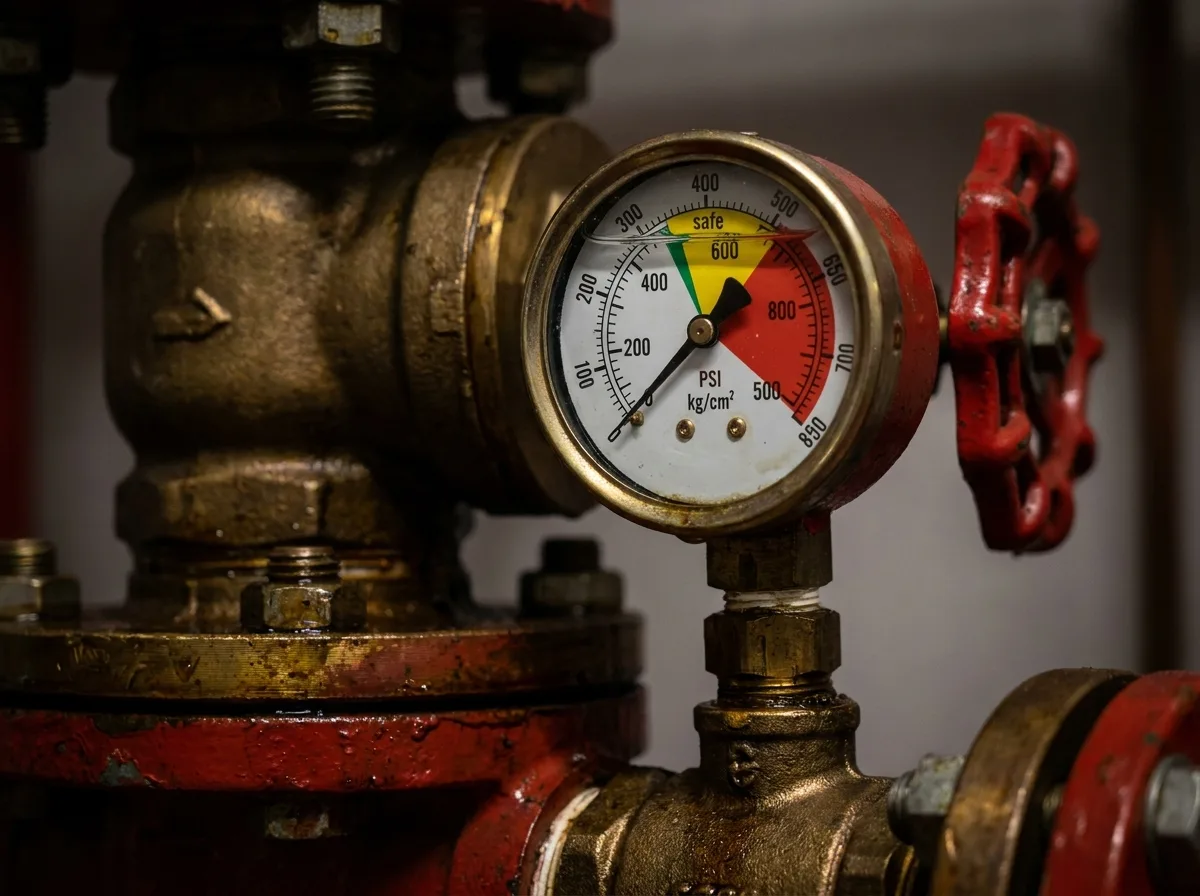
Hydrostatic Testing 101: What 200 PSI for 2 Hours Actually Proves
A plain-language explanation of hydrostatic testing for property managers and non-technical stakeholders who need to understand what they're paying for.
Read article
Hydrostatic Pressure Tests and Their Importance for Standpipe Systems
A hydrostatic pressure test fills a standpipe with water and holds it at 200 psi or 50 psi above normal operating pressure, whichever is greater, for about two hours to confirm the piping holds without leaking. Verify against the adopted edition.
Read articleNFPA 25 Testing Frequency Chart: What Is Due and When
A plain-English reference for the inspection, testing, and maintenance intervals that matter most to building owners — weekly, monthly, quarterly, annual, 3-year, and 5-year.
Read article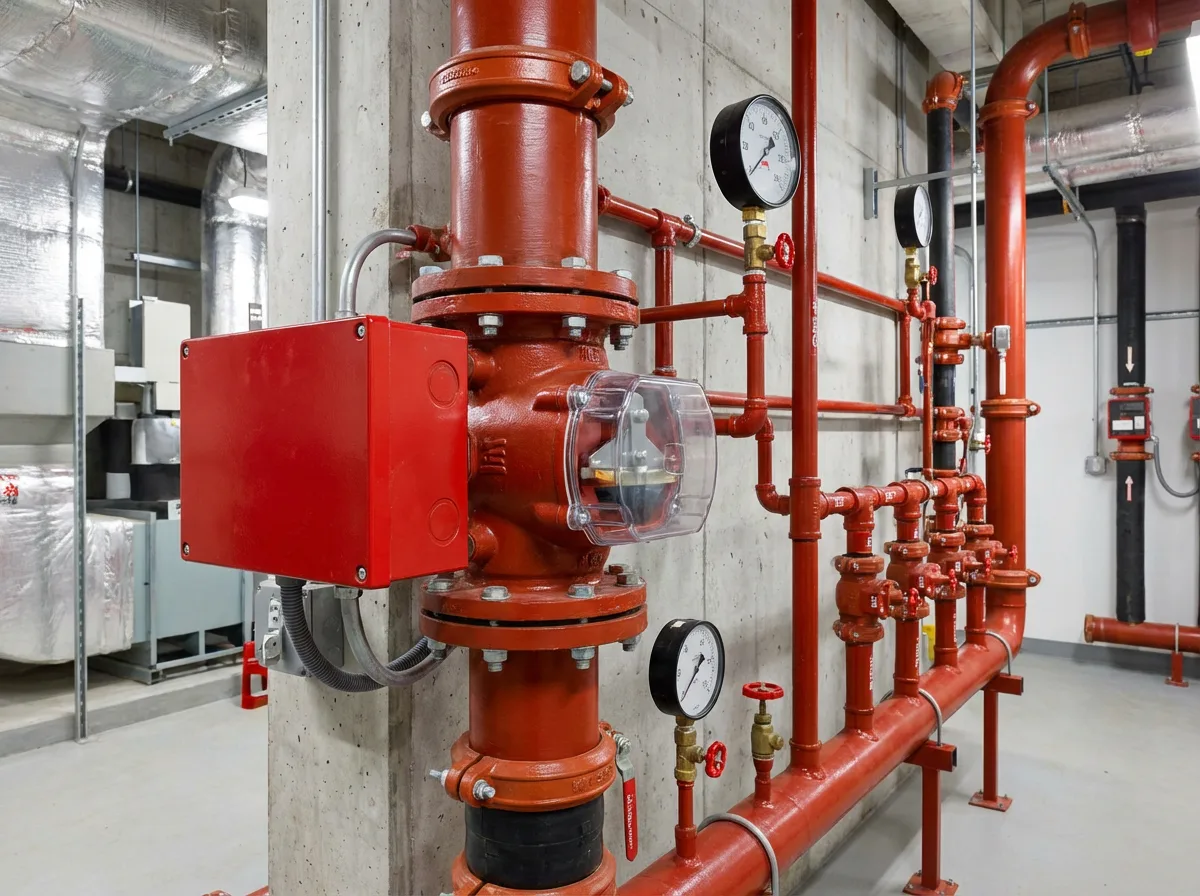
Top Reasons Standpipe Systems Fail a Flow Test
Closed valves, dead fire pumps, corroded piping, undersized supply, and construction debris — the failures we find most often, and what each one costs to fix.
Read article