
Fire Protection Testing, Answered
Every question we get asked about standpipe flow tests, hydrostatic pressure tests, fire hydrant flow tests, dry pipe trip tests, NFPA 14 and NFPA 25 compliance, cost, insurance, and bulk water delivery, organized into 13 topic clusters and linked to the in-depth guide behind each answer.
13 categories that cover everything we do
Each cluster pairs a set of plain-answer FAQs with the in-depth articles behind them. Open a category hub for the complete question set, the target keywords it covers, and every linked guide.
Standpipe Flow Testing
The 5-year test, what it proves, and what happens if it fails.
Hydrostatic Pressure Testing
200 PSI for 2 hours: what it proves and when you need it.
Fire Hydrant Flow Testing
The water-supply data your hydraulic calculations depend on.
Dry Pipe Trip Tests & Pipe Flushing
Full-flow trip tests, water delivery time, and clearing obstructions.
NFPA Codes & Compliance
What the codes require, who enforces them, and what records to keep.
Cost, Scheduling & What to Expect
Pricing drivers, timelines, access, and how test day actually works.
Insurance, Liability & System Failures
What adjusters look for, why claims get denied, and what failure costs.
Bulk Water & Pool Filling
Hydrant-direct filling: faster, cleaner, and cheaper than tankers.
Virginia Fire System Testing
Local code, cities covered, permits, and scheduling in Virginia.
Maryland Fire System Testing
Local code, cities covered, permits, and scheduling in Maryland.
Washington, DC Fire System Testing
Local code, cities covered, permits, and scheduling in Washington, DC.
North Carolina Fire System Testing
Local code, cities covered, permits, and scheduling in North Carolina.
South Carolina Fire System Testing
Local code, cities covered, permits, and scheduling in South Carolina.
Standpipe Flow Testing
A standpipe flow test is the only procedure that proves your building can actually deliver water at the pressure and volume firefighters need. NFPA 25 requires it every five years, and it is the single most commonly skipped fire protection obligation in commercial and multifamily buildings. These answers cover the requirement, the procedure, the numbers, and the consequences.
Guides in the Standpipe Testing cluster
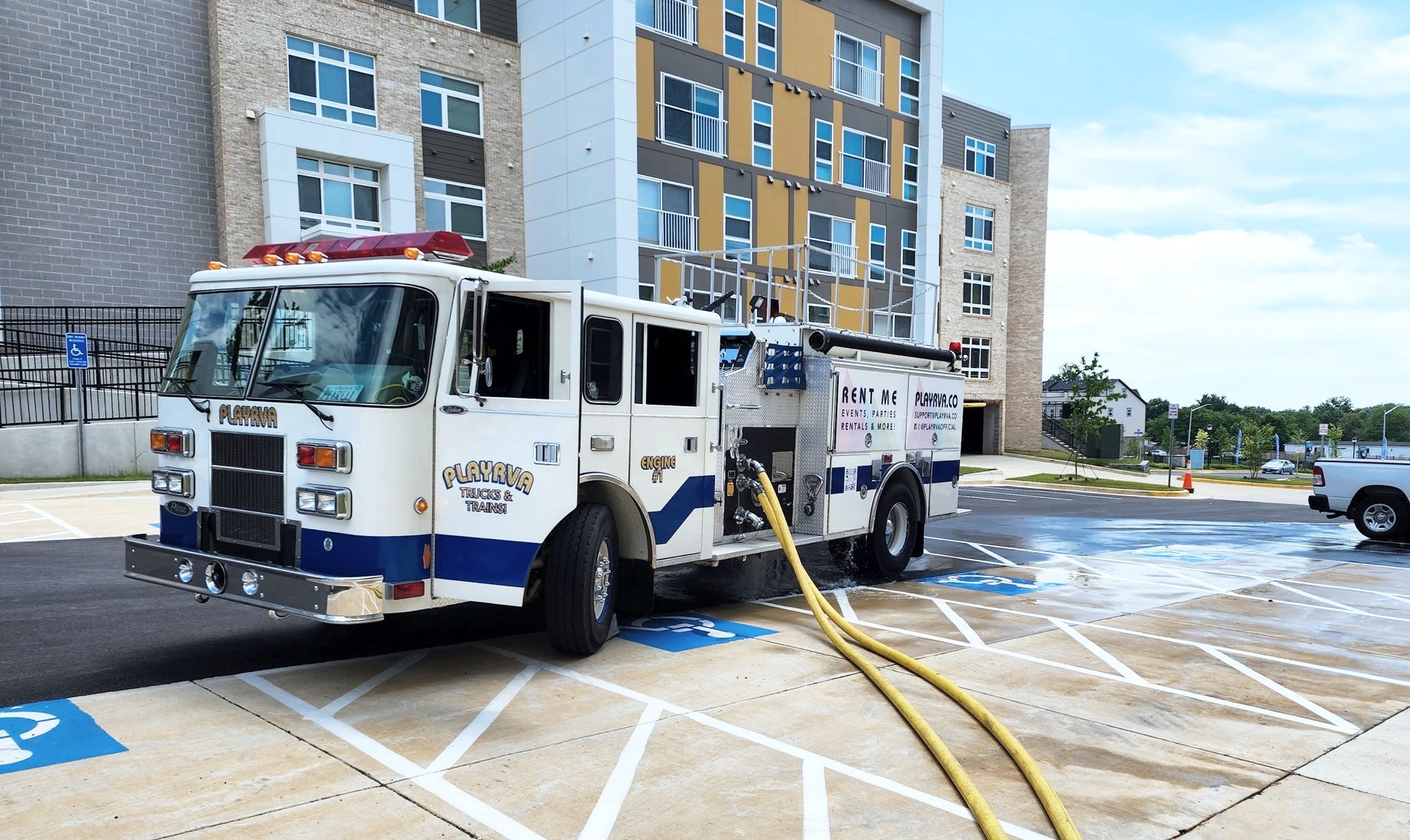
Why a 5-Year Standpipe Flow Test is Essential for Commercial and Multi-Family Buildings
Yes, NFPA 25 requires a flow test every five years on automatic standpipe systems to confirm required flow and pressure at the hydraulically most remote hose valve under demand. Dry and manual systems also carry a five-year hydrostatic test. Verify against the adopted edition.
Read article
Do I Have to Do a 5-Year Standpipe Flow Test?
In most cases, yes. NFPA 25 requires a five-year flow test on automatic standpipe systems to verify required flow and pressure at the hydraulically most remote hose valve. The property owner is responsible for scheduling it and keeping the report. Verify against the adopted edition.
Read article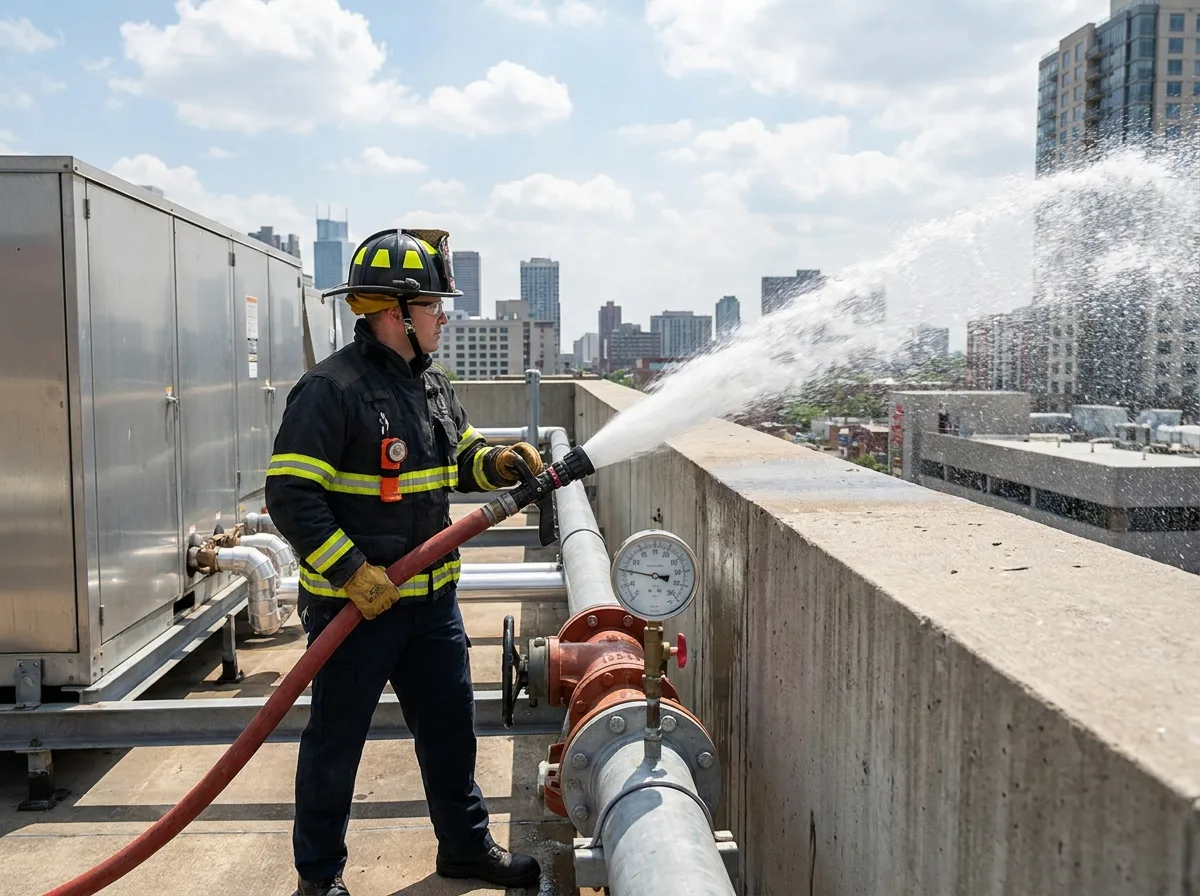
NFPA 14 Standpipe Testing Requirements — What Building Owners Actually Need to Know
NFPA 14 tells you how a standpipe must be built and accepted; NFPA 25 tells you how often to prove it still works. The recurring obligation owners miss is the five-year flow test at the hydraulically most remote hose connection. Verify against the adopted edition.
Read articleHydrostatic Pressure Testing
A hydrostatic pressure test fills fire protection piping with water, pressurizes it well above working pressure, and holds it to prove the pipe, joints, and fittings are sound. It is required on new installations, after significant repairs, and on a recurring basis for dry and semi-automatic standpipes. These answers explain what the test does and does not prove.
Guides in the Hydrostatic Testing cluster
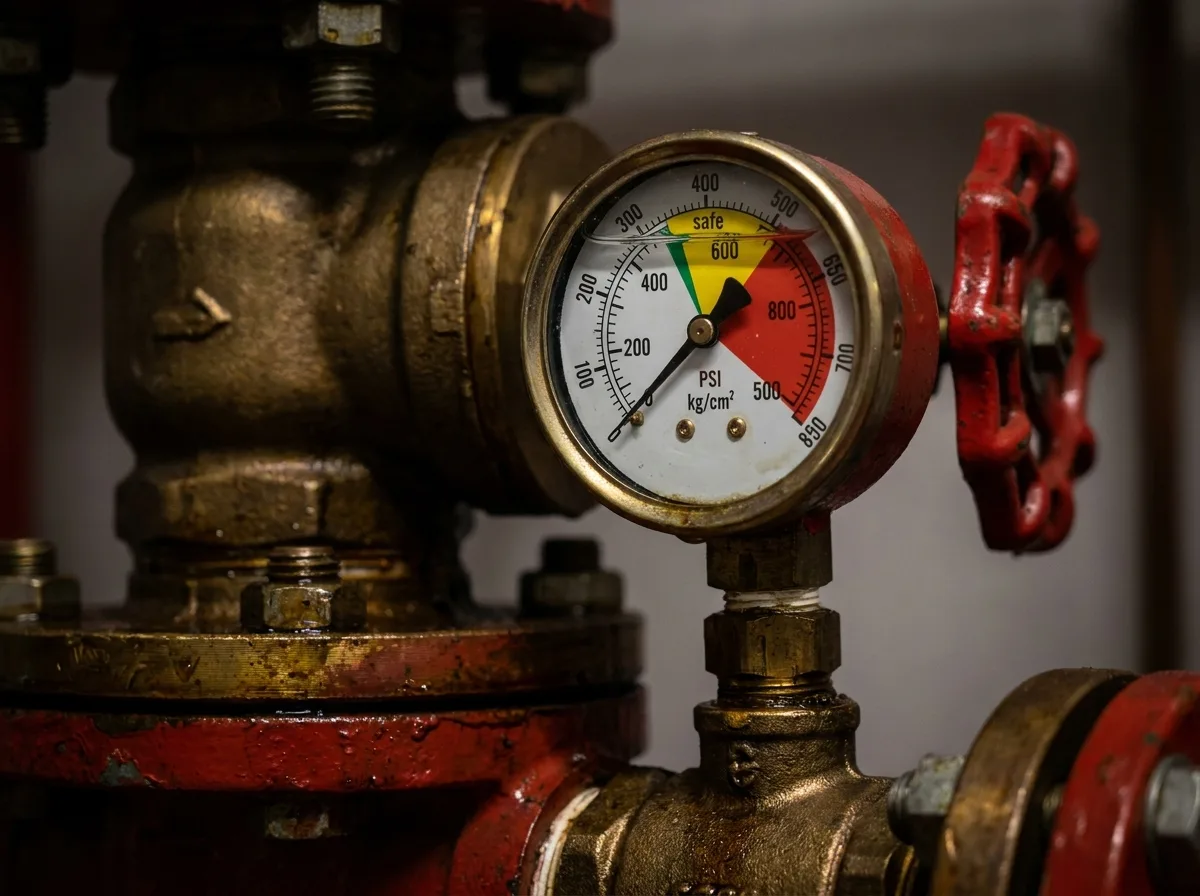
Hydrostatic Testing 101: What 200 PSI for 2 Hours Actually Proves
A plain-language explanation of hydrostatic testing for property managers and non-technical stakeholders who need to understand what they're paying for.
Read article
Hydrostatic Pressure Tests and Their Importance for Standpipe Systems
A hydrostatic pressure test fills a standpipe with water and holds it at 200 psi or 50 psi above normal operating pressure, whichever is greater, for about two hours to confirm the piping holds without leaking. Verify against the adopted edition.
Read articleNFPA 25 Testing Frequency Chart: What Is Due and When
A plain-English reference for the inspection, testing, and maintenance intervals that matter most to building owners — weekly, monthly, quarterly, annual, 3-year, and 5-year.
Read articleFire Hydrant Flow Testing
Every sprinkler hydraulic calculation and every standpipe design starts with one question: how much water can the supply actually deliver? A fire hydrant flow test answers it with measured static pressure, residual pressure under flow, and pitot-derived GPM. These answers cover how the test works, how long the data stays valid, and who needs it.
Guides in the Hydrant Testing cluster
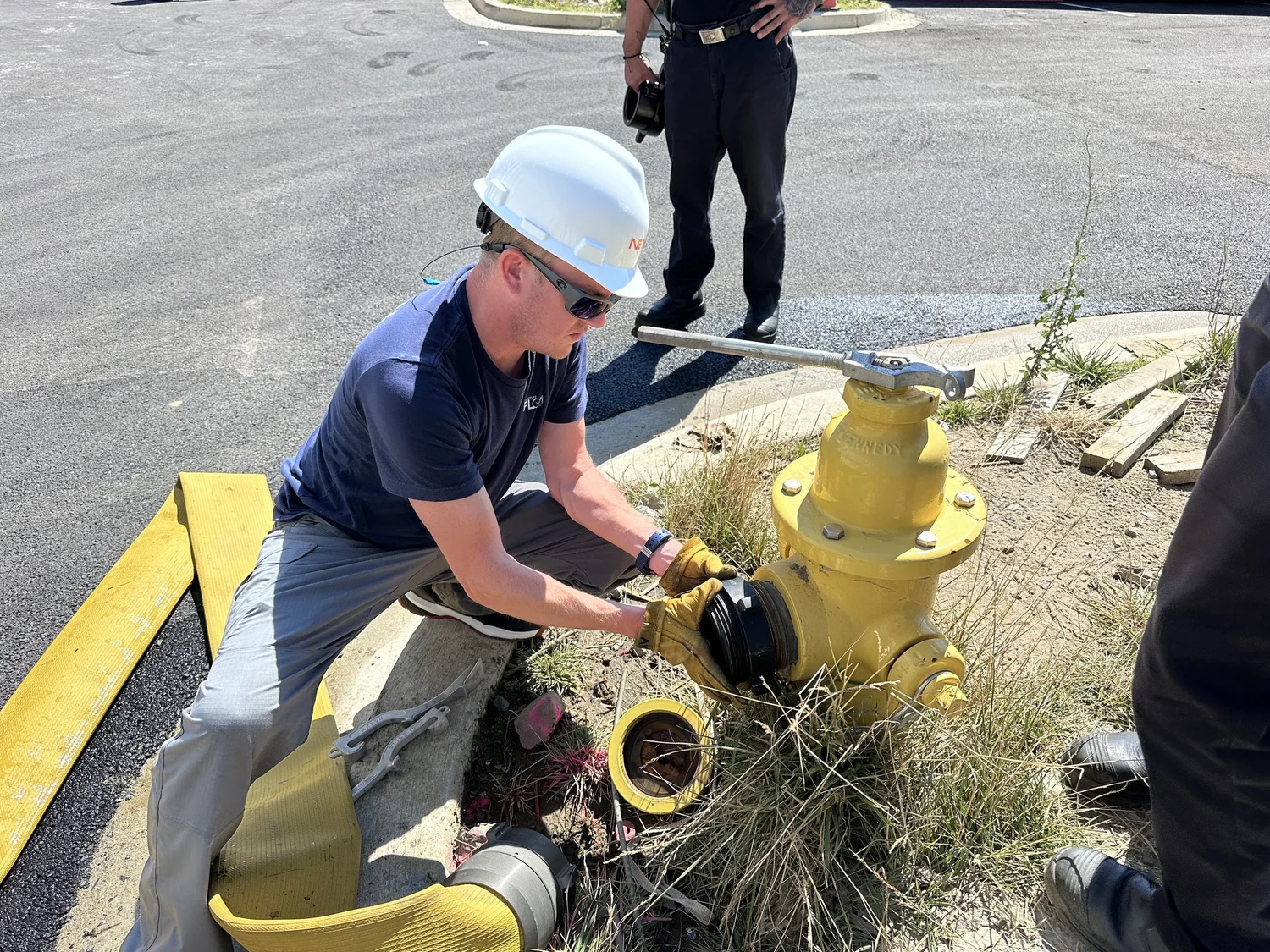
How Often Are Fire Hydrants Tested? NFPA 25 and Hydrant Flow Tests
How often are fire hydrants tested? Private fire hydrants are inspected annually and after each operation, and operated and flowed annually under NFPA 25. The mains that feed them are flow-tested on a longer cycle, commonly every 5 years. Verify against the adopted edition.
Read article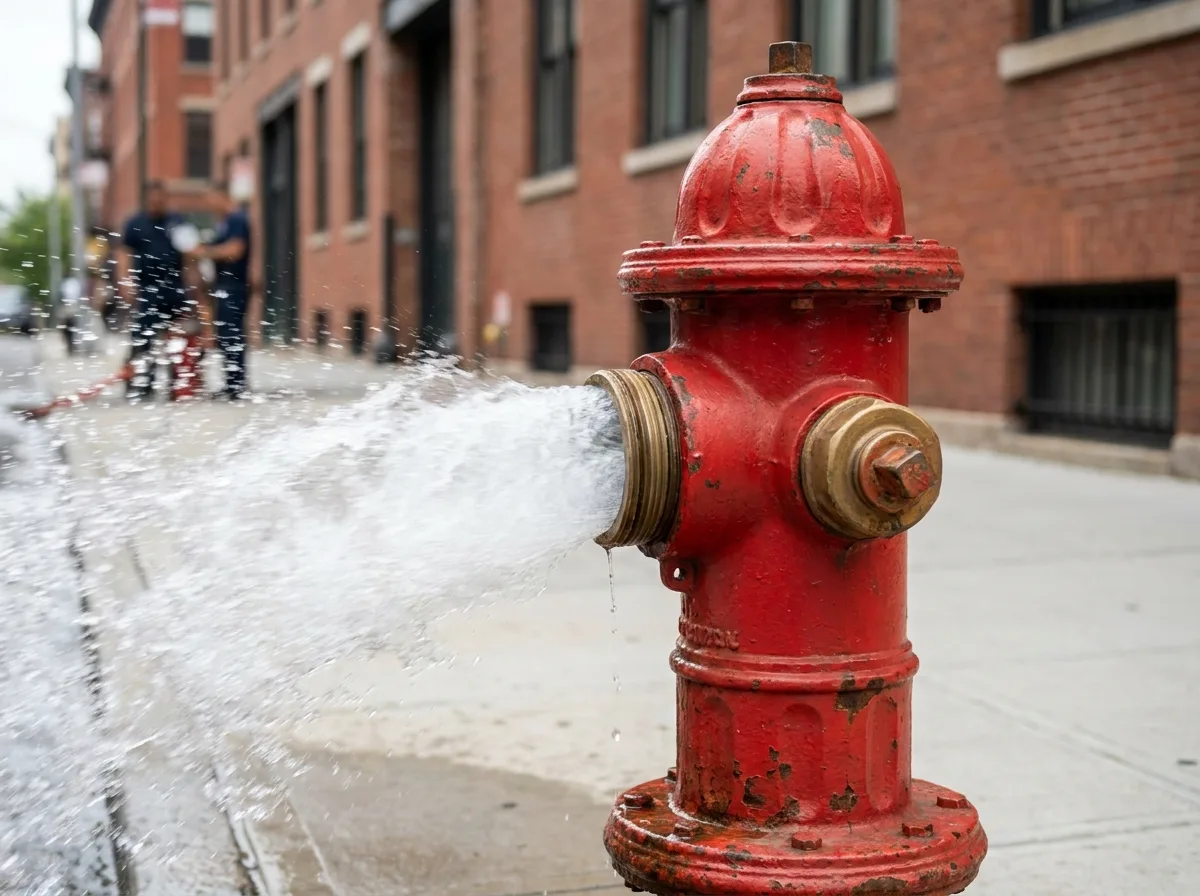
Hydrant Flow Test Data Is Perishable — Here's How Long Yours Lasts
Why 5-year-old hydrant data can produce undersized fire sprinkler designs, and how often you should actually retest for reliable hydraulic calculations.
Read articleNFPA 291 Hydrant Color Codes and What They Tell You About Flow
What the blue, green, orange, and red bonnet colors on a fire hydrant actually mean, how those classifications are assigned, and why the paint is no substitute for a current flow test.
Read articleDry Pipe Trip Tests & Pipe Flushing
Dry pipe systems protect unheated spaces by holding pressurized air instead of water, which makes them clever and fragile at the same time. The full-flow trip test measures how fast water actually reaches the remote end after the valve trips, and flushing clears the sediment and debris that quietly choke flow. These answers cover both.
Guides in the Trip Tests & Flushing cluster
Dry Pipe Valve Trip Tests: Why 3-Year Intervals Exist
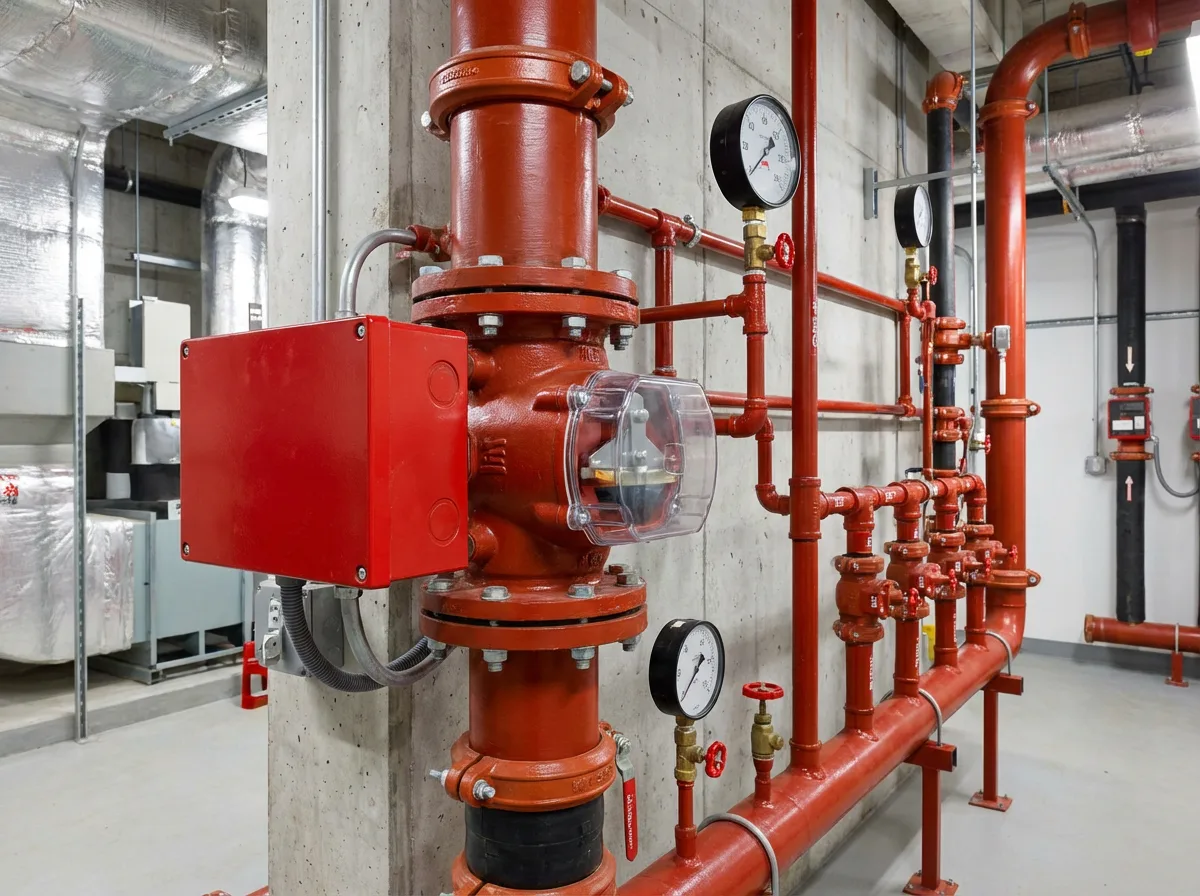
The engineering reality behind NFPA 25's 3-year full-flow trip test requirement — and what typically fails when the test finally gets run.
Read article
The Importance of Flushing Fire Hydrants and Standpipe Systems
Flush fire hydrants at least once a year, and assess standpipe piping on a five-year cycle, unless your AHJ requires more often. Annual hydrant operation clears rust and sediment so the barrel actually flows. Verify every interval against the adopted edition.
Read articleNFPA 25 Testing Frequency Chart: What Is Due and When
A plain-English reference for the inspection, testing, and maintenance intervals that matter most to building owners — weekly, monthly, quarterly, annual, 3-year, and 5-year.
Read articleNFPA Codes & Compliance
NFPA 14 governs how standpipe systems are installed. NFPA 25 governs the inspection, testing, and maintenance that keeps them compliant for the life of the building. Local building codes adopt both by reference, and your Authority Having Jurisdiction interprets them. These answers translate the standards into what an owner actually has to do.
Guides in the Codes & Compliance cluster
NFPA 25 Testing Frequency Chart: What Is Due and When
A plain-English reference for the inspection, testing, and maintenance intervals that matter most to building owners — weekly, monthly, quarterly, annual, 3-year, and 5-year.
Read articleNFPA 14 Standpipe Testing Requirements — What Building Owners Actually Need to Know
NFPA 14 tells you how a standpipe must be built and accepted; NFPA 25 tells you how often to prove it still works. The recurring obligation owners miss is the five-year flow test at the hydraulically most remote hose connection. Verify against the adopted edition.
Read article
7 Essential NFPA 25 Best Practices for Contractors
NFPA 25 is an inspection, testing, and maintenance standard, not a visual walkthrough. Contractors stay compliant by knowing the required frequencies, flowing standpipes on the five-year interval, documenting every test, and handing the AHJ a complete report. Confirm every interval against the adopted edition.
Read articleCost, Scheduling & What to Expect
Nobody publishes a flat price for a flow test, because the building drives the number. What we can do is be transparent about the variables, the timeline, what access we need, and where the water goes. These answers cover the practical logistics of getting testing done without disrupting your building.
Guides in the Cost & Scheduling cluster
How Much Does a Standpipe Flow Test Cost?
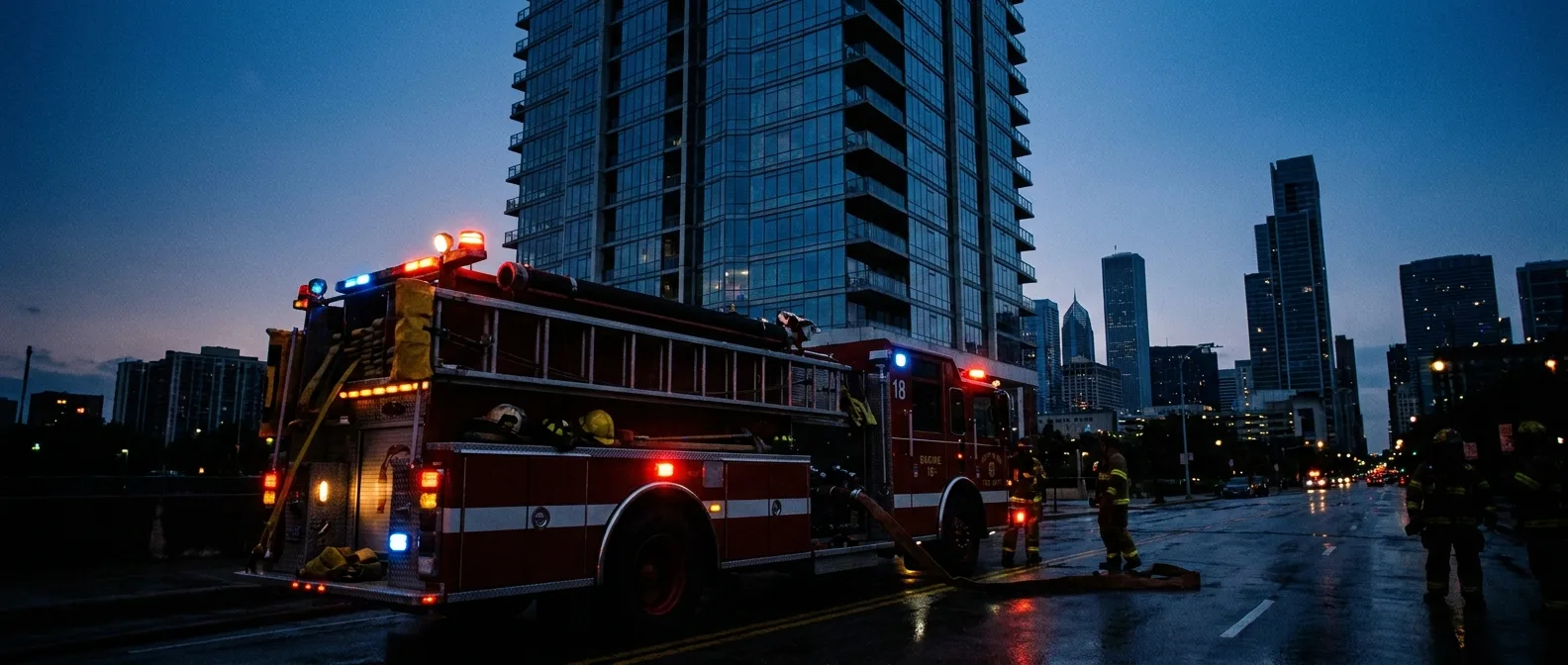
An honest look at what drives the price of a standpipe flow test, hydrostatic test, or hydrant flow test — building height, number of risers, water disposal, access, and scheduling.
Read article
What Actually Happens on Flow Test Day
A step-by-step walk-through of a standpipe flow test from the property manager's point of view — how long it takes, what access we need, where the water goes, and what you get at the end.
Read articleThe Hidden Cost of a Failed Flow Test at CO
Real numbers from real projects: what a single failed acceptance test costs in schedule delays, carrying costs, and lost lease-up revenue.
Read articleInsurance, Liability & System Failures
The most expensive consequence of skipped testing is not a code violation — it is a reduced or denied insurance claim after a loss. Commercial policies condition coverage on maintaining fire protection systems per applicable standards. These answers explain what carriers look for and what documented failures have actually cost building owners.
Guides in the Insurance & Liability cluster
Insurance Won't Cover What You Didn't Maintain — A Claims Adjuster's Perspective
What insurance carriers actually look for in fire system documentation at claim time, and the most common reasons claims get denied.
Read articleTop Reasons Standpipe Systems Fail a Flow Test
Closed valves, dead fire pumps, corroded piping, undersized supply, and construction debris — the failures we find most often, and what each one costs to fix.
Read articleThe Hidden Cost of a Failed Flow Test at CO
Real numbers from real projects: what a single failed acceptance test costs in schedule delays, carrying costs, and lost lease-up revenue.
Read articleBulk Water & Pool Filling
The same pumper equipment that proves a standpipe can deliver 500 GPM can fill a pool from a single hydrant hookup in a fraction of the time a tanker convoy takes. These answers cover speed, cost, water quality, permitting, and the commercial bulk water uses beyond pools.
Guides in the Pool Filling cluster
Fire Truck Pool Filling vs. Water Trucks: Speed, Cost, and Water Quality
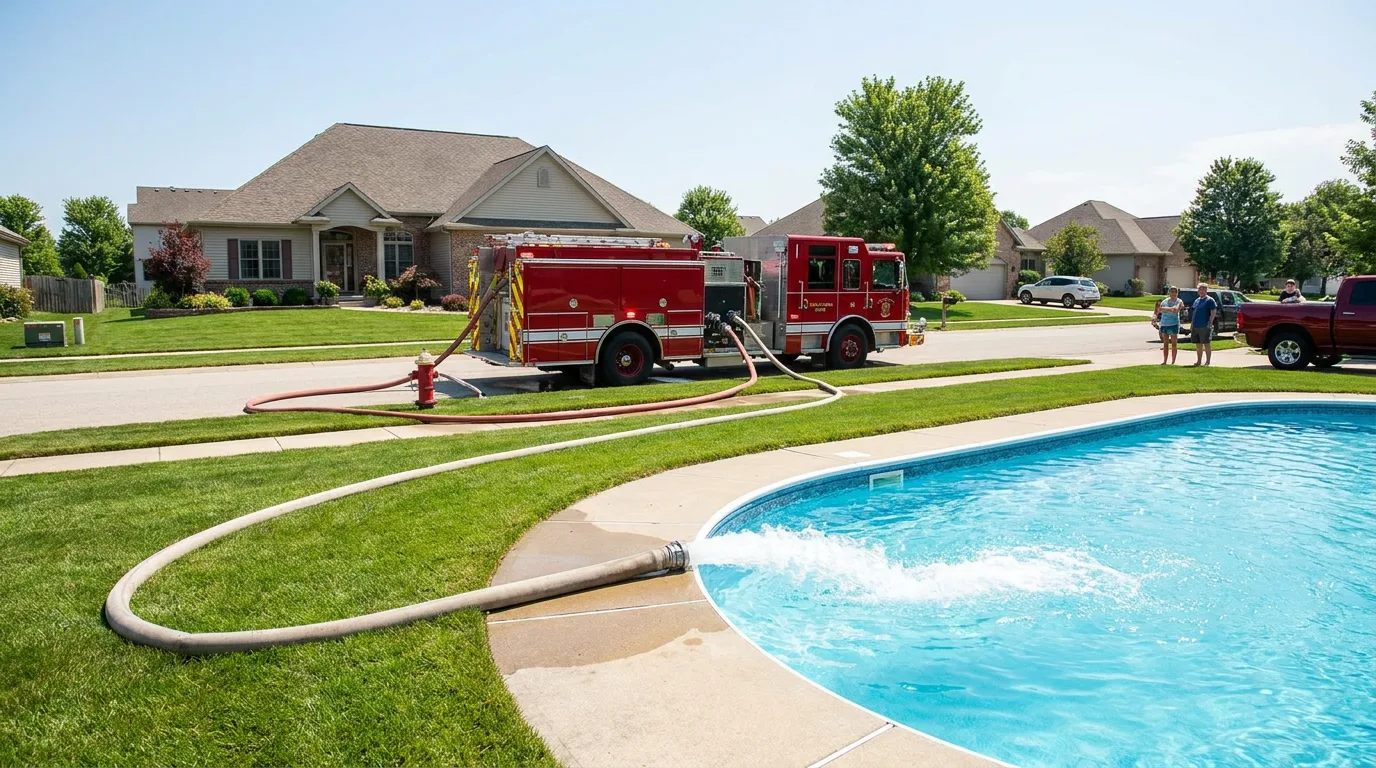
Why filling a pool from a single hydrant hookup with pumper truck equipment beats a convoy of water tankers on time, cost, and disruption — and what to expect on fill day.
Read article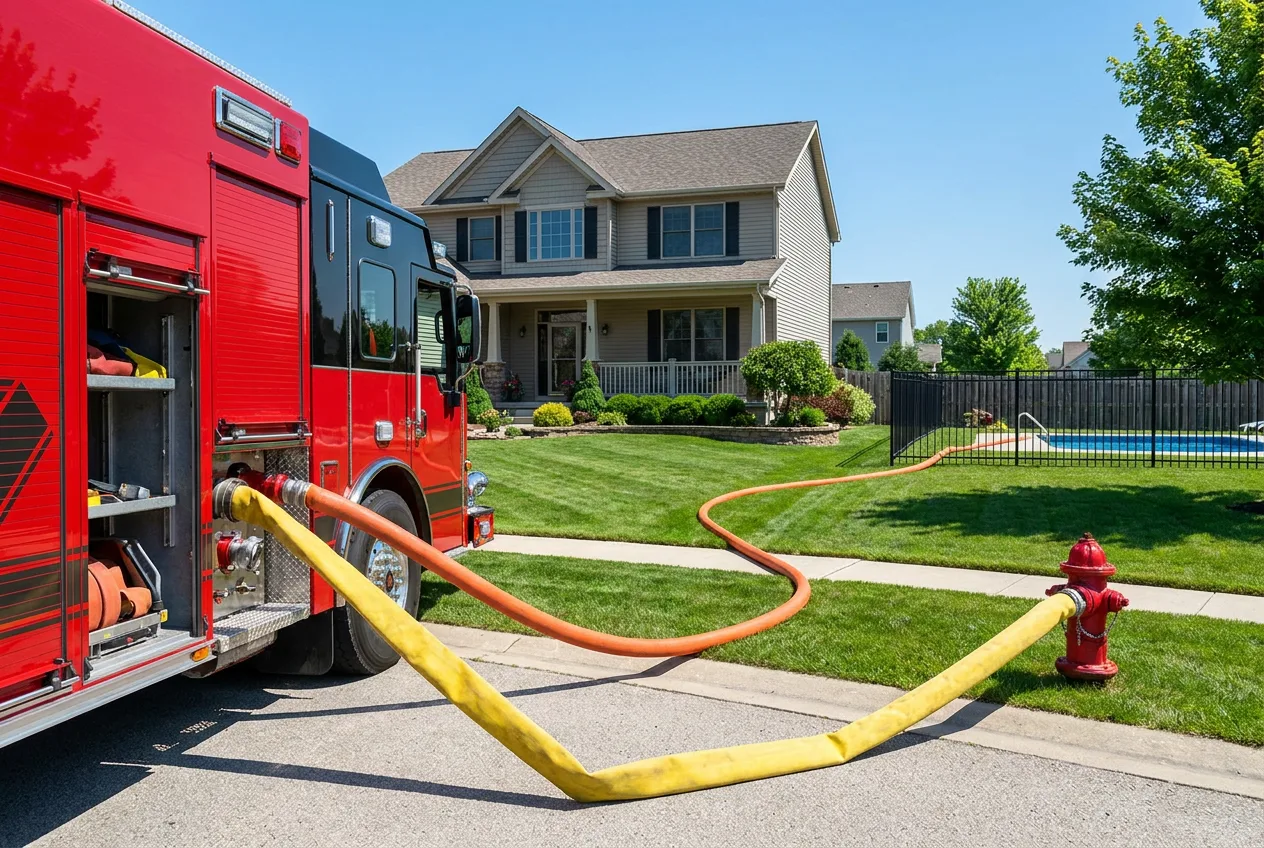
Bulk Water Delivery Beyond Pools: Where Fire-Grade Pumping Pays Off
Cooling towers, tank fills, construction water, fountains, and temporary water supply — the commercial applications where hydrant-direct bulk water beats every other option.
Read articleVirginia Fire System Testing
Virginia is our home state — FLOW operates out of Richmond, which puts a pumper truck within a few hours of nearly every commercial building in the Commonwealth. We perform 5-year standpipe flow tests, hydrostatic pressure tests, fire hydrant flow tests, and dry pipe trip tests under the Virginia Uniform Statewide Building Code and NFPA 25. Local fire marshals in Virginia are increasingly enforcing the 5-year standpipe flow test, and we produce the signed report they ask for. Coverage includes Richmond, Arlington & Alexandria, Tysons & Fairfax, Virginia Beach, Norfolk & Chesapeake, and more. Virginia Uniform Statewide Building Code (USBC) + Statewide Fire Prevention Code, enforced by local fire marshals and building officials.
Guides in the Virginia cluster
Standpipe Flow Testing in Virginia: Code, Cities, and What to Expect
What the Virginia USBC and Statewide Fire Prevention Code require, which localities enforce the 5-year standpipe flow test hardest, and how testing gets scheduled from Richmond to Northern Virginia and Hampton Roads.
Read articleVirginia USBC Section 905.2 — Standpipe Requirements Decoded
Line-by-line walk-through of Virginia's adoption of NFPA 14 under the Uniform Statewide Building Code and what it means for property owners.
Read articleMulti-State Fire Protection Testing: One Vendor, One Calendar, Five Jurisdictions
How owners with buildings across Virginia, Maryland, DC, North Carolina, and South Carolina cut testing cost and eliminate missed intervals by consolidating standpipe, hydrant, and hydrostatic testing under one vendor.
Read articleMaryland Fire System Testing
Maryland pairs a dense high-rise corridor around Baltimore and the DC beltway with strict local enforcement, which makes the 5-year standpipe flow test a routine ask from fire marshals here. We test standpipes, hydrants, and dry systems across the state under the Maryland Building Performance Standards and NFPA 25. Because Maryland, DC, and Northern Virginia sit inside one drive radius, multi-jurisdiction portfolios can be tested on a single mobilization. Coverage includes Baltimore, Bethesda & Chevy Chase, Rockville & Gaithersburg, Silver Spring, College Park & Hyattsville, and more. Maryland Building Performance Standards (IBC-based) + local fire codes, enforced by county fire marshals and city fire departments.
Guides in the Maryland cluster
Standpipe Flow Testing in Maryland: County Rules, Cities, and Scheduling
How Maryland adopts the I-Codes, why Montgomery County and Baltimore City add their own requirements, and how portfolios in the Baltimore–Washington corridor get tested on a single mobilization.
Read articleInsurance Won't Cover What You Didn't Maintain — A Claims Adjuster's Perspective
What insurance carriers actually look for in fire system documentation at claim time, and the most common reasons claims get denied.
Read articleMulti-State Fire Protection Testing: One Vendor, One Calendar, Five Jurisdictions
How owners with buildings across Virginia, Maryland, DC, North Carolina, and South Carolina cut testing cost and eliminate missed intervals by consolidating standpipe, hydrant, and hydrostatic testing under one vendor.
Read articleWashington, DC Fire System Testing
The District is one of the most standpipe-dense jurisdictions we work in: height-limited but wall-to-wall mid- and high-rise construction, much of it with manual or combination standpipe systems that require truck pumping to test properly. We perform 5-year flow tests, hydrostatic tests, and hydrant flow tests under the DC Construction Codes and NFPA 25, and we coordinate hydrant permits with DC Water in advance. Coverage includes Downtown & Penn Quarter, NoMa & Union Market, Navy Yard & Capitol Riverfront, Dupont & Logan Circle, Foggy Bottom & West End, and more. DC Construction Codes (IBC/IFC-based) enforced by DC Fire & EMS Fire Prevention Division and DOB.
Guides in the Washington DC cluster
Standpipe Flow Testing in Washington, DC: Permits, Quadrants, and High-Rise Reality
DC Construction Codes, DC Water hydrant permitting, why so many District buildings have manual standpipes, and how off-hours testing keeps tenants and traffic undisturbed.
Read articleClass I, II, and III Standpipe Systems Explained
The difference between Class I, Class II, and Class III standpipes, which hose connections each uses, and how the class changes your NFPA 25 testing obligation.
Read articleMulti-State Fire Protection Testing: One Vendor, One Calendar, Five Jurisdictions
How owners with buildings across Virginia, Maryland, DC, North Carolina, and South Carolina cut testing cost and eliminate missed intervals by consolidating standpipe, hydrant, and hydrostatic testing under one vendor.
Read articleNorth Carolina Fire System Testing
North Carolina is building faster than almost anywhere on the East Coast, which means two very different testing needs: acceptance flow testing on brand-new high-rise and multifamily construction, and catching up on 5-year standpipe flow tests in buildings that were finished a decade ago and never retested. We cover Charlotte, Raleigh–Durham, the Triad, Wilmington, and Asheville under the North Carolina State Building Code and NFPA 25. Coverage includes Charlotte, Raleigh, Durham & Chapel Hill, Greensboro & High Point, Winston-Salem, and more. North Carolina State Building Code (Fire Prevention Code) enforced by local fire marshals and code officials.
Guides in the North Carolina cluster
Standpipe Flow Testing in North Carolina: New Construction and Overdue Buildings
North Carolina State Building Code requirements, acceptance testing before Certificate of Occupancy in Charlotte and Raleigh, and what to do when a building is years past due on its 5-year flow test.
Read articleThe Hidden Cost of a Failed Flow Test at CO
Real numbers from real projects: what a single failed acceptance test costs in schedule delays, carrying costs, and lost lease-up revenue.
Read articleMulti-State Fire Protection Testing: One Vendor, One Calendar, Five Jurisdictions
How owners with buildings across Virginia, Maryland, DC, North Carolina, and South Carolina cut testing cost and eliminate missed intervals by consolidating standpipe, hydrant, and hydrostatic testing under one vendor.
Read articleSouth Carolina Fire System Testing
South Carolina's testing demand is concentrated in hospitality and coastal high-rise: hotels, resorts, and oceanfront condominium towers where standpipes are exposed to salt air and where a failed system means an evacuated building. We perform 5-year standpipe flow tests, hydrostatic tests on dry standpipes, hydrant flow tests, and dry pipe trip tests across the state under the South Carolina Building Codes and NFPA 25. Coverage includes Charleston, Mount Pleasant & North Charleston, Columbia, Greenville, Spartanburg, and more. South Carolina Building Codes (IBC/IFC-based) enforced by local building officials and the State Fire Marshal.
Guides in the South Carolina cluster
Standpipe Flow Testing in South Carolina: Coastal Towers, Hotels, and Condo Boards
What South Carolina code requires, how salt air quietly degrades standpipe systems, and how hotels, resorts, and oceanfront condominium associations schedule 5-year flow testing without disrupting guests.
Read articleTop Reasons Standpipe Systems Fail a Flow Test
Closed valves, dead fire pumps, corroded piping, undersized supply, and construction debris — the failures we find most often, and what each one costs to fix.
Read articleMulti-State Fire Protection Testing: One Vendor, One Calendar, Five Jurisdictions
How owners with buildings across Virginia, Maryland, DC, North Carolina, and South Carolina cut testing cost and eliminate missed intervals by consolidating standpipe, hydrant, and hydrostatic testing under one vendor.
Read articleTopics covered in this guide
276 distinct questions and search topics across fire system testing, NFPA compliance, cost, insurance, and bulk water delivery.
Still have a question?
Tell us the building and what you think is due. We will tell you exactly which tests apply, what the intervals are, and what it costs, usually within one business day.