
Washington, DC Fire System Testing
The District is one of the most standpipe-dense jurisdictions we work in: height-limited but wall-to-wall mid- and high-rise construction, much of it with manual or combination standpipe systems that require truck pumping to test properly. We perform 5-year flow tests, hydrostatic tests, and hydrant flow tests under the DC Construction Codes and NFPA 25, and we coordinate hydrant permits with DC Water in advance. Coverage includes Downtown & Penn Quarter, NoMa & Union Market, Navy Yard & Capitol Riverfront, Dupont & Logan Circle, Foggy Bottom & West End, and more. DC Construction Codes (IBC/IFC-based) enforced by DC Fire & EMS Fire Prevention Division and DOB.
Washington, DC Fire System Testing questions, answered
The Washington DC article cluster
Every guide below expands on the answers above, and each one links back here and across to the others so you can follow the whole topic end to end.
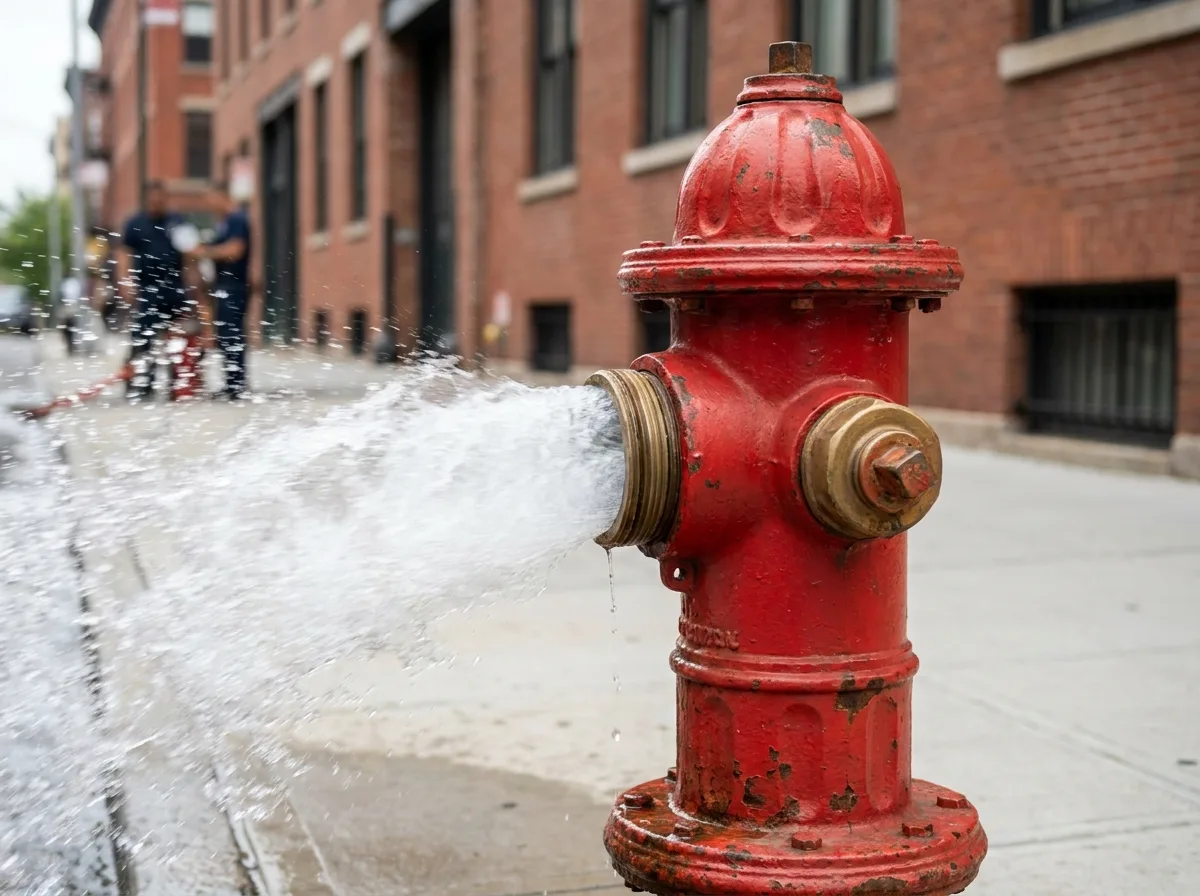
Standpipe Flow Testing in Washington, DC: Permits, Quadrants, and High-Rise Reality
DC Construction Codes, DC Water hydrant permitting, why so many District buildings have manual standpipes, and how off-hours testing keeps tenants and traffic undisturbed.
Read article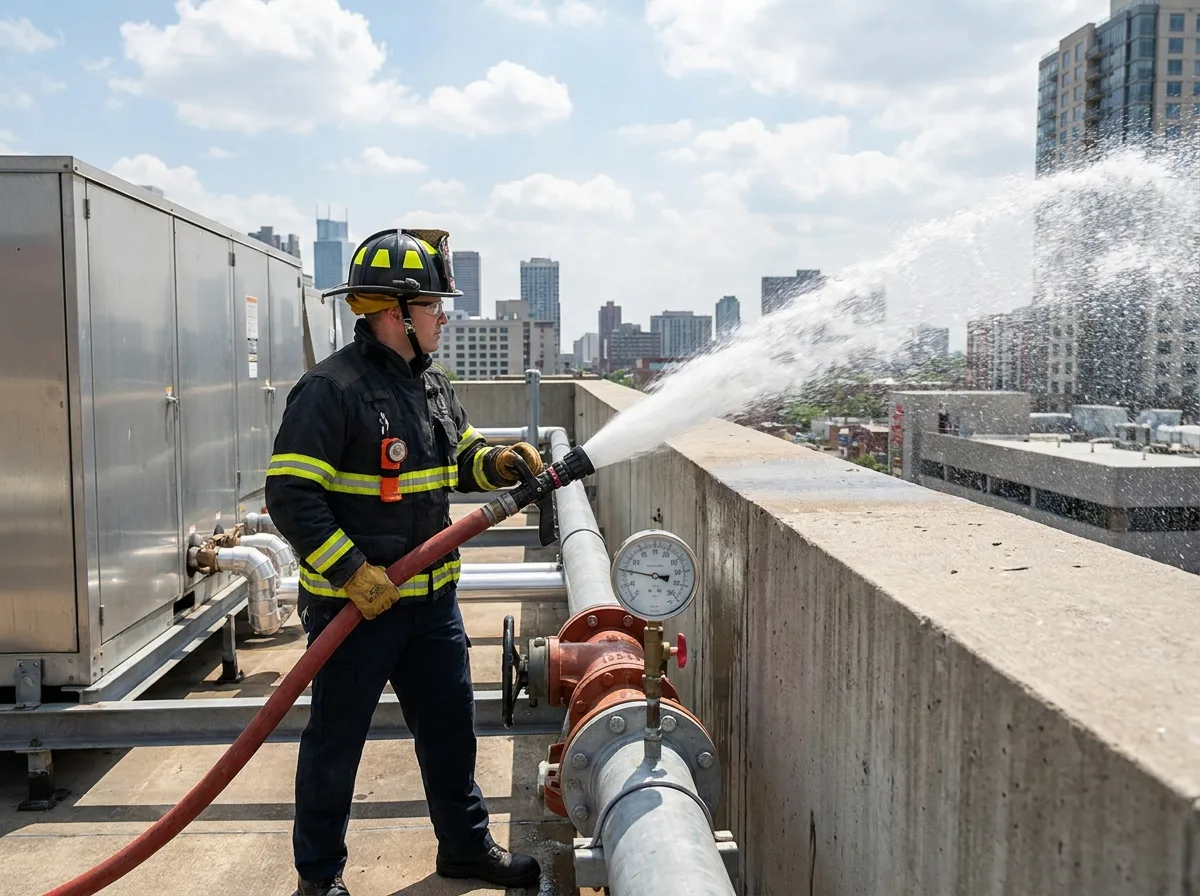
Class I, II, and III Standpipe Systems Explained
The difference between Class I, Class II, and Class III standpipes, which hose connections each uses, and how the class changes your NFPA 25 testing obligation.
Read article
Multi-State Fire Protection Testing: One Vendor, One Calendar, Five Jurisdictions
How owners with buildings across Virginia, Maryland, DC, North Carolina, and South Carolina cut testing cost and eliminate missed intervals by consolidating standpipe, hydrant, and hydrostatic testing under one vendor.
Read article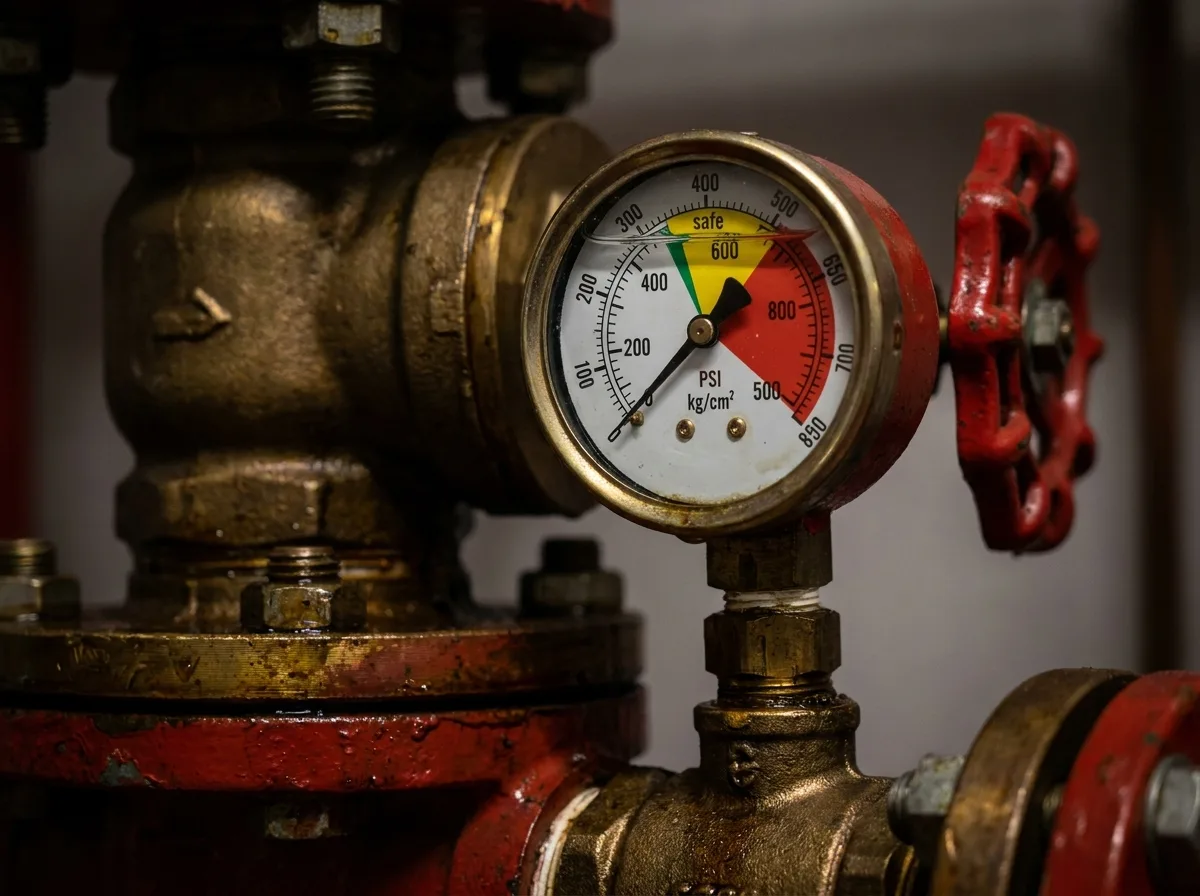
NFPA 25 Testing Frequency Chart: What Is Due and When
A plain-English reference for the inspection, testing, and maintenance intervals that matter most to building owners — weekly, monthly, quarterly, annual, 3-year, and 5-year.
Read articleHow Much Does a Standpipe Flow Test Cost?
An honest look at what drives the price of a standpipe flow test, hydrostatic test, or hydrant flow test — building height, number of risers, water disposal, access, and scheduling.
Read article