
Fire System Flow Testing in North Carolina
Charlotte, the Triangle, the Triad, and the coast.
North Carolina is building faster than almost anywhere on the East Coast, which means two very different testing needs: acceptance flow testing on brand-new high-rise and multifamily construction, and catching up on 5-year standpipe flow tests in buildings that were finished a decade ago and never retested. We cover Charlotte, Raleigh–Durham, the Triad, Wilmington, and Asheville under the North Carolina State Building Code and NFPA 25.
North Carolina State Building Code (Fire Prevention Code) enforced by local fire marshals and code officials
North Carolina adopts its own State Building Code volumes based on the I-Codes, referencing NFPA 14 for standpipe installation and NFPA 25 for inspection, testing, and maintenance. Fire protection contractors and inspectors operating in NC work under state licensing rules, and AHJs in fast-growing counties are actively enforcing acceptance testing before Certificate of Occupancy.
Regular routes into Charlotte and the Triangle. Multi-site portfolios across NC and SC are commonly combined into a single mobilization to cut cost.
Cities & metros we serve in North Carolina
If your building is not on this list, ask — coverage is broader than the highlights below.
Uptown high-rise, banking, and hotel standpipes
Downtown towers and rapid multifamily growth
Research campus, lab, and hospital systems
Industrial, warehouse, and downtown mid-rise
Medical center and adaptive-reuse buildings
Coastal high-rise, hotel, and port facilities
Hotel, hospitality, and historic conversions
Institutional and military-adjacent portfolios
Corporate campus and new multifamily acceptance tests
Distribution centers and suburban mid-rise
North Carolina fire system testing FAQs
6 answers for North Carolina owners, managers, and contractors. The full set lives on the North Carolina FAQ hub inside our Master FAQ Guide.
Read more about testing in North Carolina

Standpipe Flow Testing in North Carolina: New Construction and Overdue Buildings
North Carolina State Building Code requirements, acceptance testing before Certificate of Occupancy in Charlotte and Raleigh, and what to do when a building is years past due on its 5-year flow test.
Read guideThe Hidden Cost of a Failed Flow Test at CO
Real numbers from real projects: what a single failed acceptance test costs in schedule delays, carrying costs, and lost lease-up revenue.
Read guide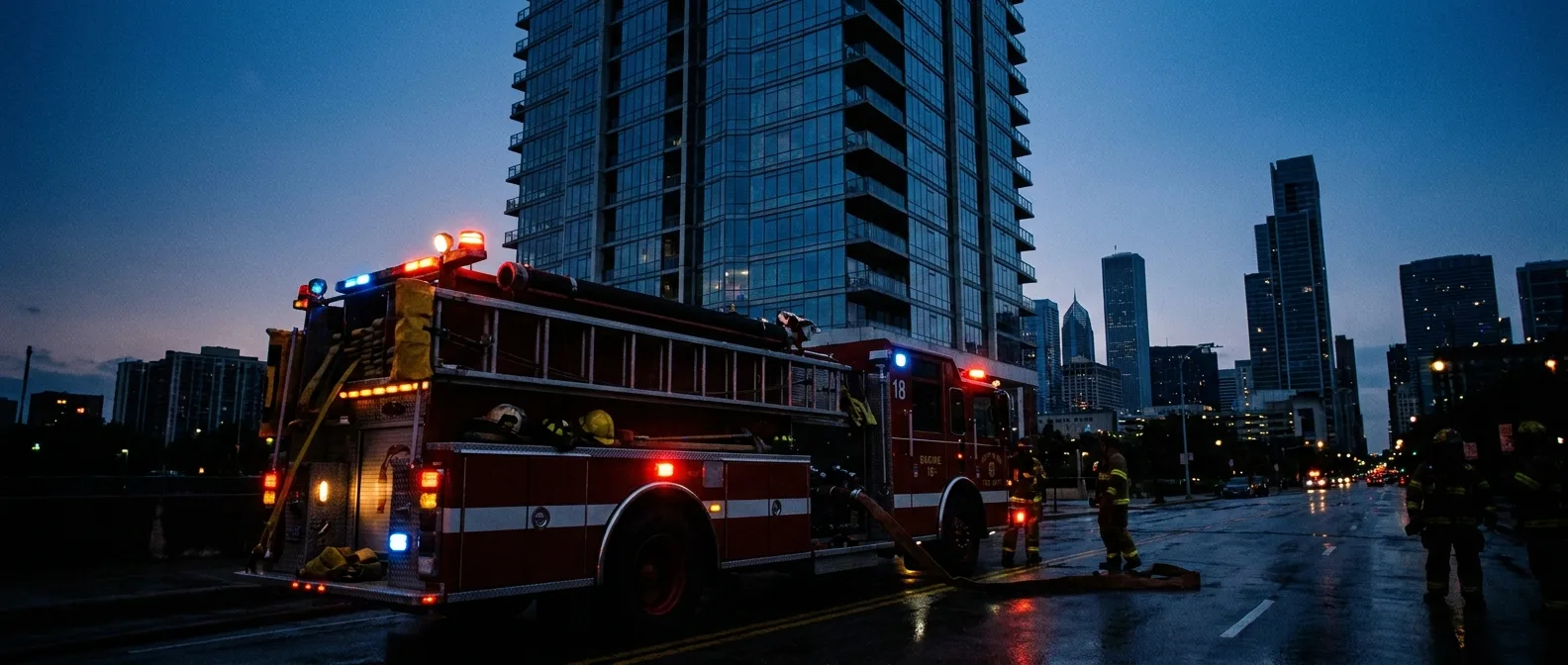
Multi-State Fire Protection Testing: One Vendor, One Calendar, Five Jurisdictions
How owners with buildings across Virginia, Maryland, DC, North Carolina, and South Carolina cut testing cost and eliminate missed intervals by consolidating standpipe, hydrant, and hydrostatic testing under one vendor.
Read guide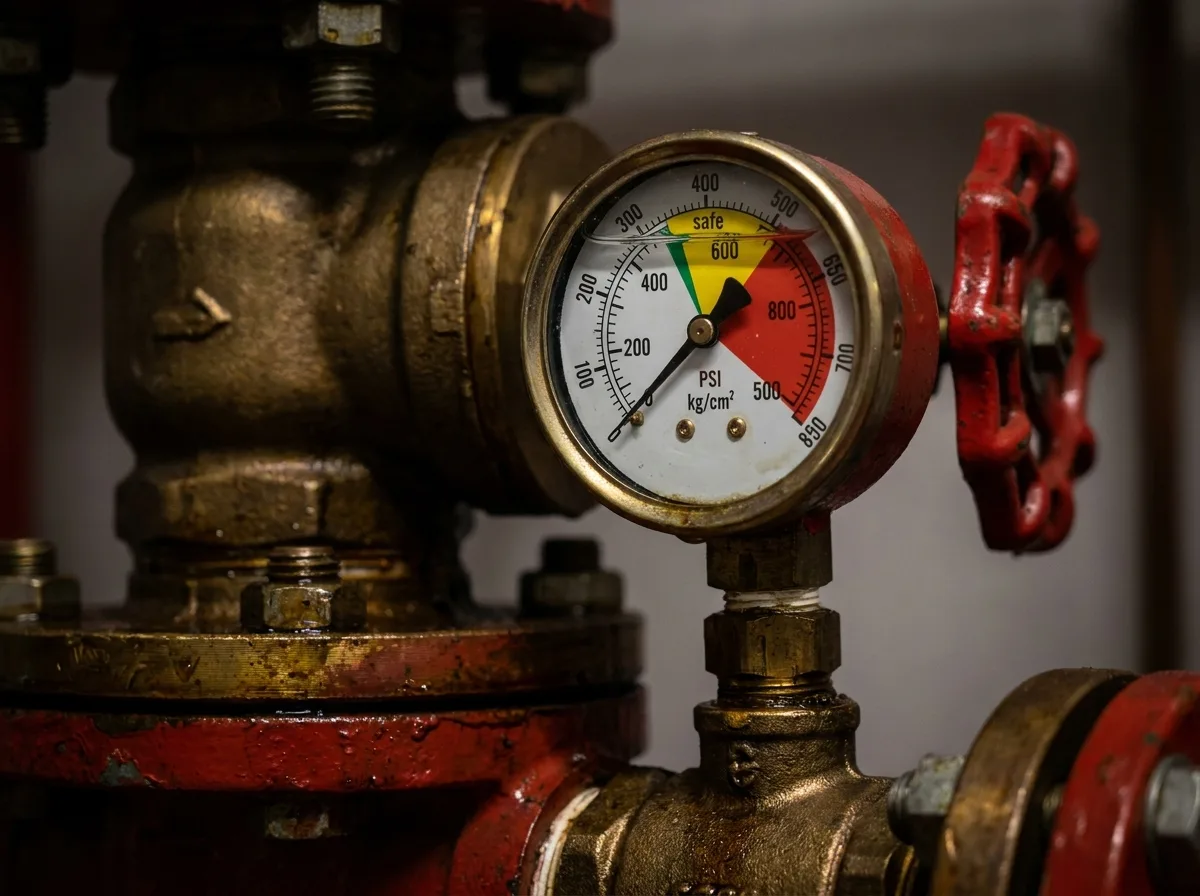
NFPA 25 Testing Frequency Chart: What Is Due and When
A plain-English reference for the inspection, testing, and maintenance intervals that matter most to building owners — weekly, monthly, quarterly, annual, 3-year, and 5-year.
Read guideHow Much Does a Standpipe Flow Test Cost?
An honest look at what drives the price of a standpipe flow test, hydrostatic test, or hydrant flow test — building height, number of risers, water disposal, access, and scheduling.
Read guideOther service areas
Need testing in North Carolina?
Send the building address and riser count — most NC quotes go out within one business day.