
Dry Pipe Trip Tests & Pipe Flushing
Dry pipe systems protect unheated spaces by holding pressurized air instead of water, which makes them clever and fragile at the same time. The full-flow trip test measures how fast water actually reaches the remote end after the valve trips, and flushing clears the sediment and debris that quietly choke flow. These answers cover both.
Dry Pipe Trip Tests & Pipe Flushing questions, answered
The Trip Tests & Flushing article cluster
Every guide below expands on the answers above, and each one links back here and across to the others so you can follow the whole topic end to end.
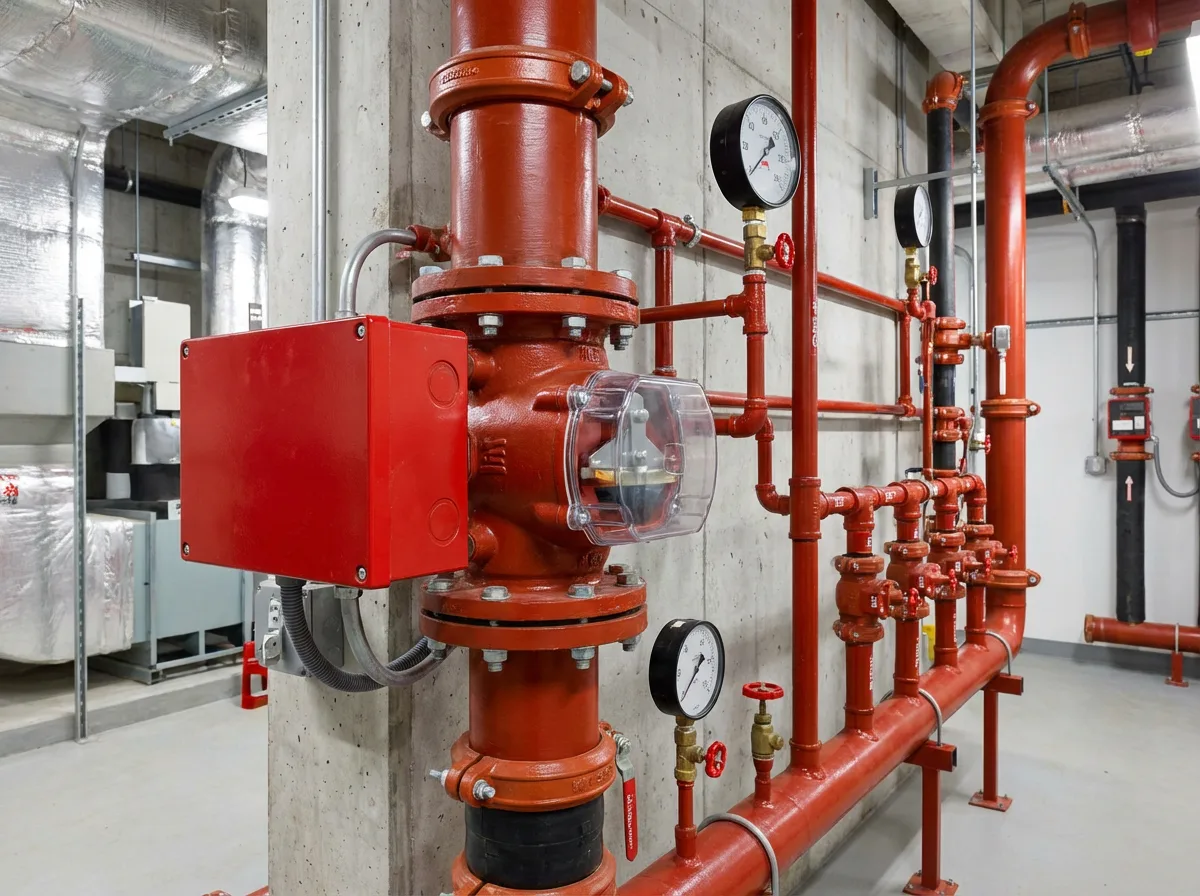
Dry Pipe Valve Trip Tests: Why 3-Year Intervals Exist
The engineering reality behind NFPA 25's 3-year full-flow trip test requirement — and what typically fails when the test finally gets run.
Read article
The Importance of Flushing Fire Hydrants and Standpipe Systems
Flush fire hydrants at least once a year, and assess standpipe piping on a five-year cycle, unless your AHJ requires more often. Annual hydrant operation clears rust and sediment so the barrel actually flows. Verify every interval against the adopted edition.
Read article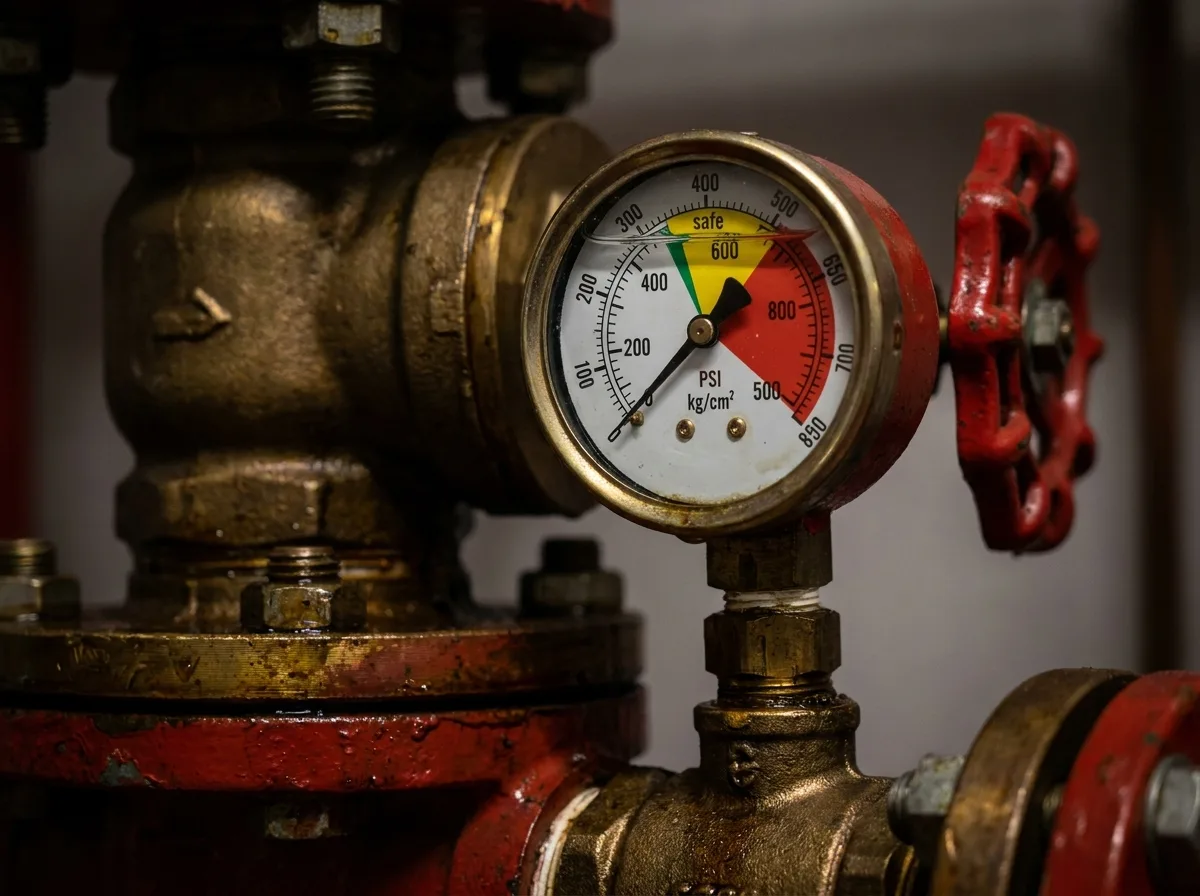
NFPA 25 Testing Frequency Chart: What Is Due and When
A plain-English reference for the inspection, testing, and maintenance intervals that matter most to building owners — weekly, monthly, quarterly, annual, 3-year, and 5-year.
Read articleTop Reasons Standpipe Systems Fail a Flow Test
Closed valves, dead fire pumps, corroded piping, undersized supply, and construction debris — the failures we find most often, and what each one costs to fix.
Read article