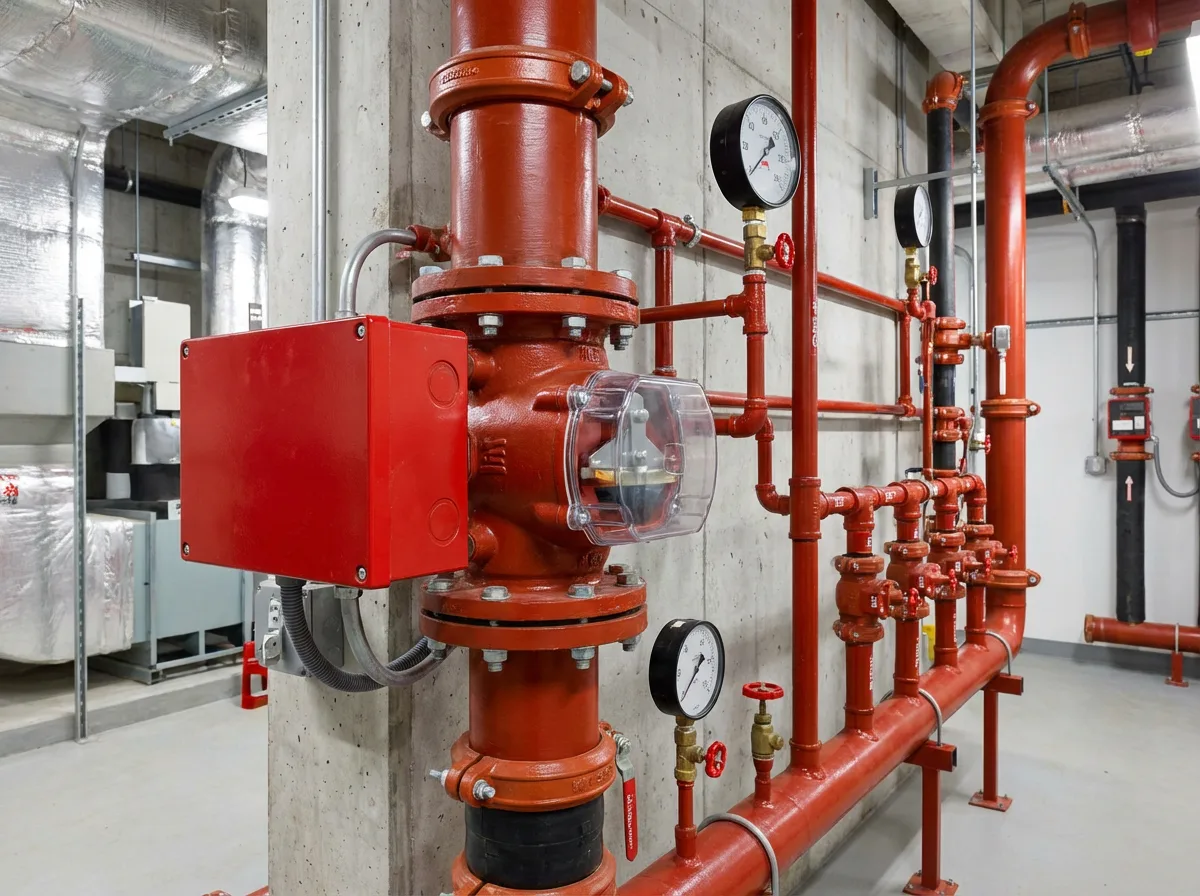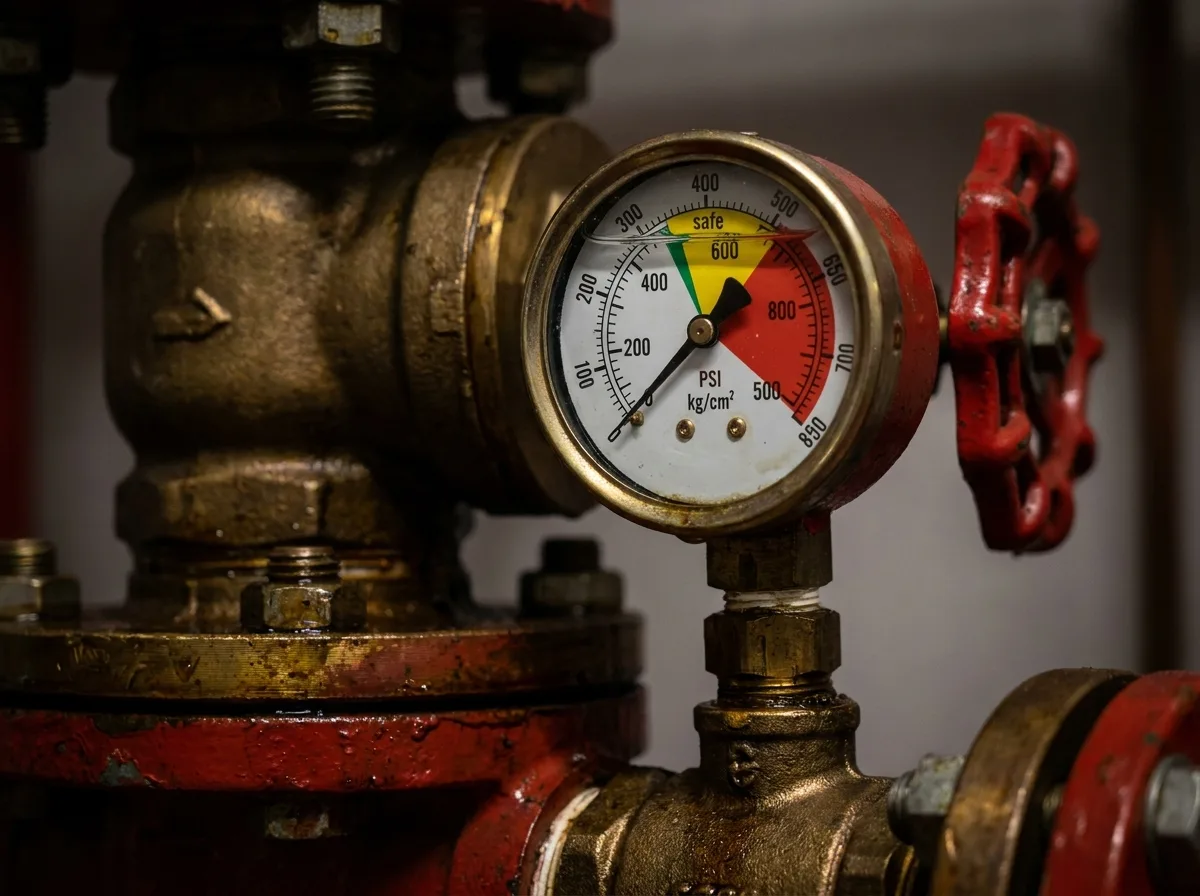
The single most common question we get is some version of "what am I actually due for?" NFPA 25 answers it, but the standard is long and organized by system type rather than by calendar. This is the owner-facing version, grouped by interval. For the question-and-answer version, see the NFPA Codes & Compliance FAQ.
One important caveat up front: your Authority Having Jurisdiction can require more, and your insurance carrier can require more. NFPA 25 is the floor, not the ceiling.
Weekly and monthly
- Fire pump no-flow (churn) test: weekly or monthly depending on pump type and supervision. See Fire Pump Testing Explained.
- Gauges on dry, preaction, and deluge systems: monthly inspection.
- Control valves (sealed): weekly inspection. Locked or supervised valves shift to monthly.
- Dry pipe valve air pressure and enclosure heat: monthly during freezing seasons.
Quarterly
- Waterflow alarm devices: quarterly test.
- Supervisory signal devices: quarterly test.
- Fire department connections: quarterly inspection, caps, threads, signage, clear access.
- Hydraulic nameplates and main drain test at each system riser (frequency varies by system).
Annually
- Full sprinkler system inspection and test cycle.
- Fire pump annual flow test at 100%, 150%, and churn.
- Fire hydrant inspection, operation, and flushing, see fire hydrant flow tests.
- Standpipe hose valve, hose connection, gauge, and signage inspection.
- Backflow preventer forward-flow test where required.
Every 3 years
- Dry pipe valve full-flow trip test, measures actual water delivery time. Details in Dry Pipe Valve Trip Tests.
- Preaction and deluge valve full-flow trip test.
- Hose (if any is still deployed on Class II stations): service test.
Every 5 years
- Standpipe flow test at the hydraulically most remote hose connection, the big one owners miss. See why the 5-year test matters.
- Hydrostatic test of dry and semi-automatic standpipe systems: 200 PSI for 2 hours. See Hydrostatic Testing 101.
- Internal pipe obstruction investigation for sprinkler and standpipe piping.
- Standpipe hose valve internal inspection where applicable.
The annual inspection everyone remembers is the cheap one. The 5-year flow test everyone forgets is the one that proves the system actually works.
Event-driven testing
Some obligations are not on a calendar at all. New installations, significant modifications, and repairs trigger acceptance testing, including hydrostatic testing of the affected piping and, on new buildings, an acceptance standpipe flow test. Skipping that step is how projects end up in the situation described in The Hidden Cost of a Failed Flow Test at CO.
Keep the paper
Every one of these intervals produces a record, and those records are what an inspector or an adjuster will ask for. That is not paranoia, it is exactly the pattern we describe in Insurance Won't Cover What You Didn't Maintain.
Want a building-specific version of this chart? Request a quote and we will map your systems to the intervals they actually owe.