
Standpipe Flow Testing
A standpipe flow test is the only procedure that proves your building can actually deliver water at the pressure and volume firefighters need. NFPA 25 requires it every five years, and it is the single most commonly skipped fire protection obligation in commercial and multifamily buildings. These answers cover the requirement, the procedure, the numbers, and the consequences.
Standpipe Flow Testing questions, answered
The Standpipe Testing article cluster
Every guide below expands on the answers above, and each one links back here and across to the others so you can follow the whole topic end to end.
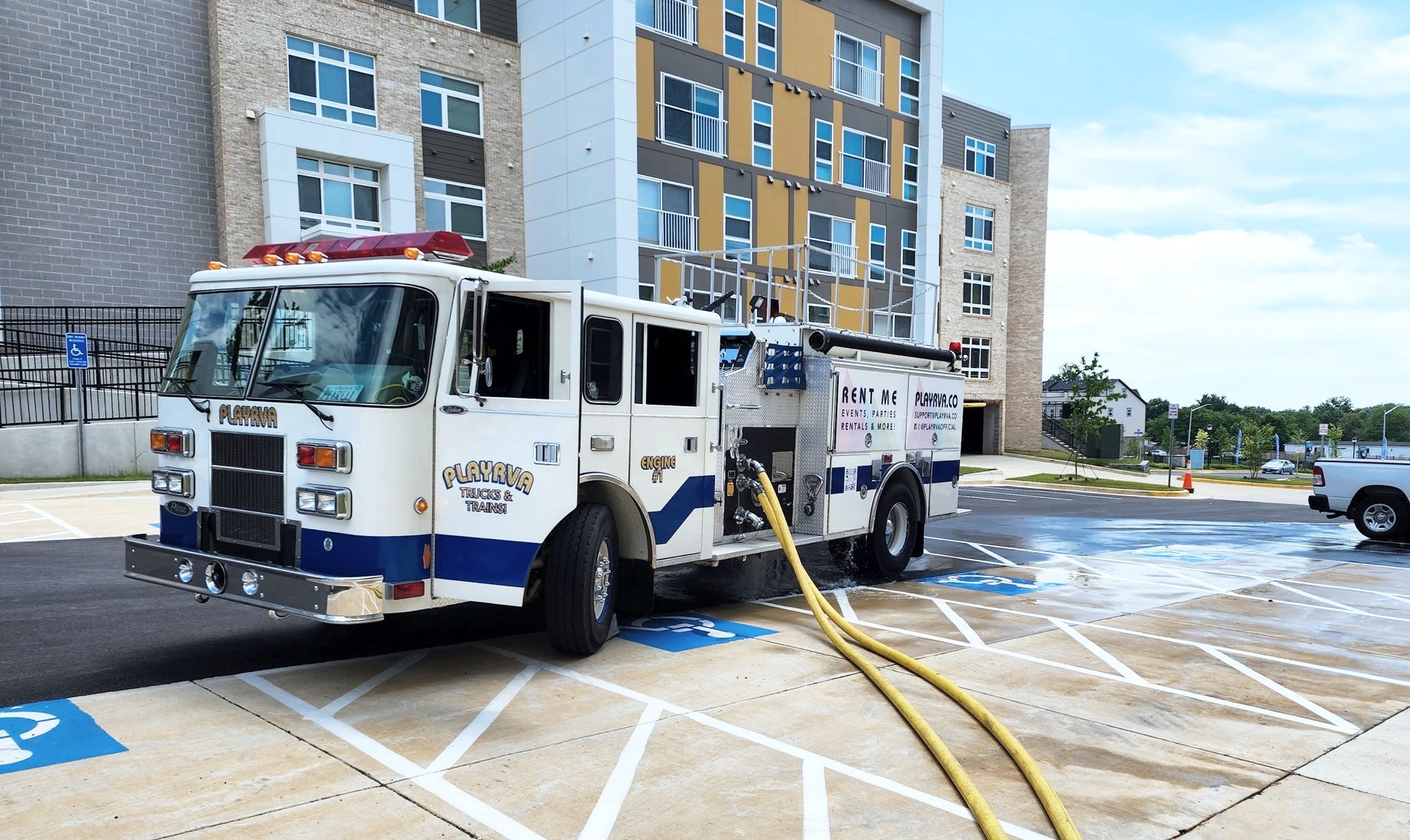
Why a 5-Year Standpipe Flow Test is Essential for Commercial and Multi-Family Buildings
Yes, NFPA 25 requires a flow test every five years on automatic standpipe systems to confirm required flow and pressure at the hydraulically most remote hose valve under demand. Dry and manual systems also carry a five-year hydrostatic test. Verify against the adopted edition.
Read article
Do I Have to Do a 5-Year Standpipe Flow Test?
In most cases, yes. NFPA 25 requires a five-year flow test on automatic standpipe systems to verify required flow and pressure at the hydraulically most remote hose valve. The property owner is responsible for scheduling it and keeping the report. Verify against the adopted edition.
Read article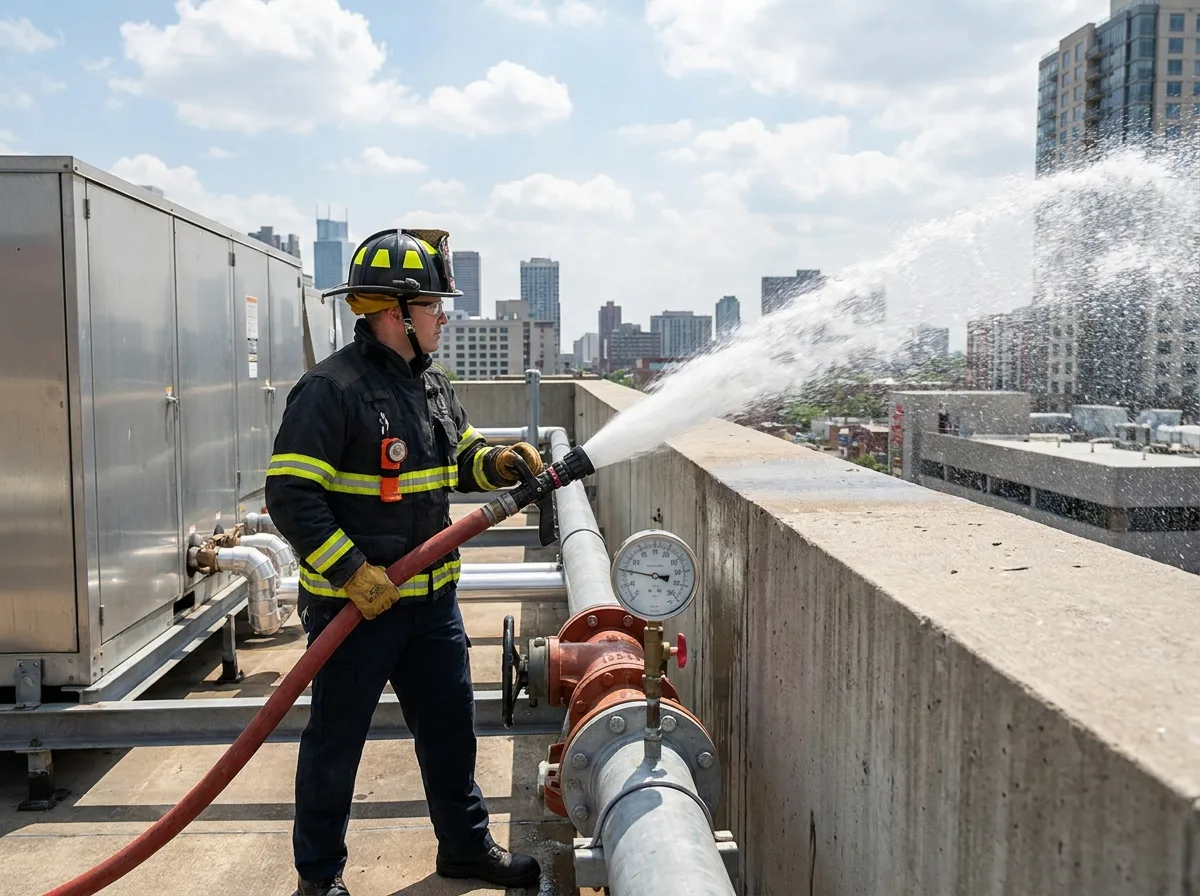
NFPA 14 Standpipe Testing Requirements — What Building Owners Actually Need to Know
NFPA 14 tells you how a standpipe must be built and accepted; NFPA 25 tells you how often to prove it still works. The recurring obligation owners miss is the five-year flow test at the hydraulically most remote hose connection. Verify against the adopted edition.
Read article
How to Conduct a Standpipe Flow Test for NFPA Compliance
A clear, five-step workflow for conducting a standpipe flow test — covering system classification, equipment setup, safe valve operation, accurate measurement, and restoring the system to service for NFPA 14 and NFPA 25 compliance.
Read articleClass I, II, and III Standpipe Systems Explained
The difference between Class I, Class II, and Class III standpipes, which hose connections each uses, and how the class changes your NFPA 25 testing obligation.
Read article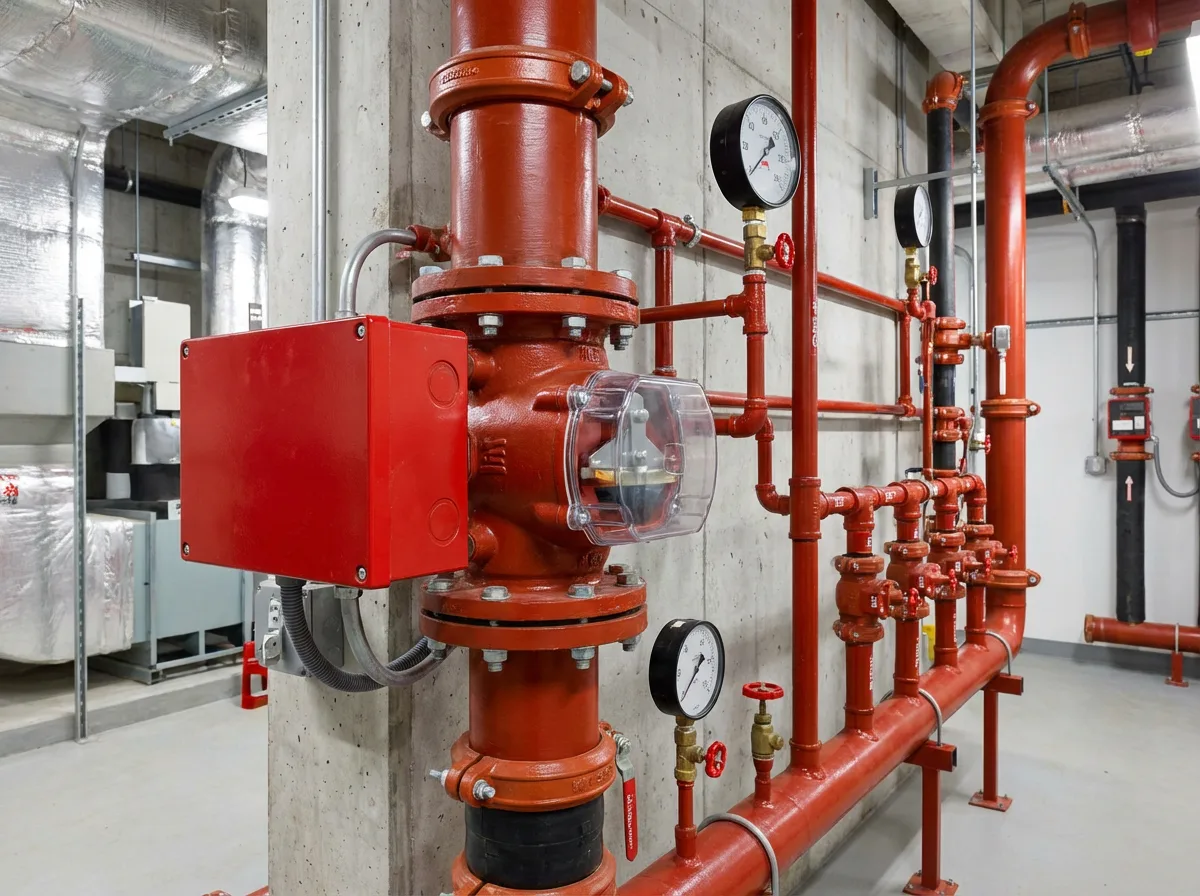
Top Reasons Standpipe Systems Fail a Flow Test
Closed valves, dead fire pumps, corroded piping, undersized supply, and construction debris — the failures we find most often, and what each one costs to fix.
Read article