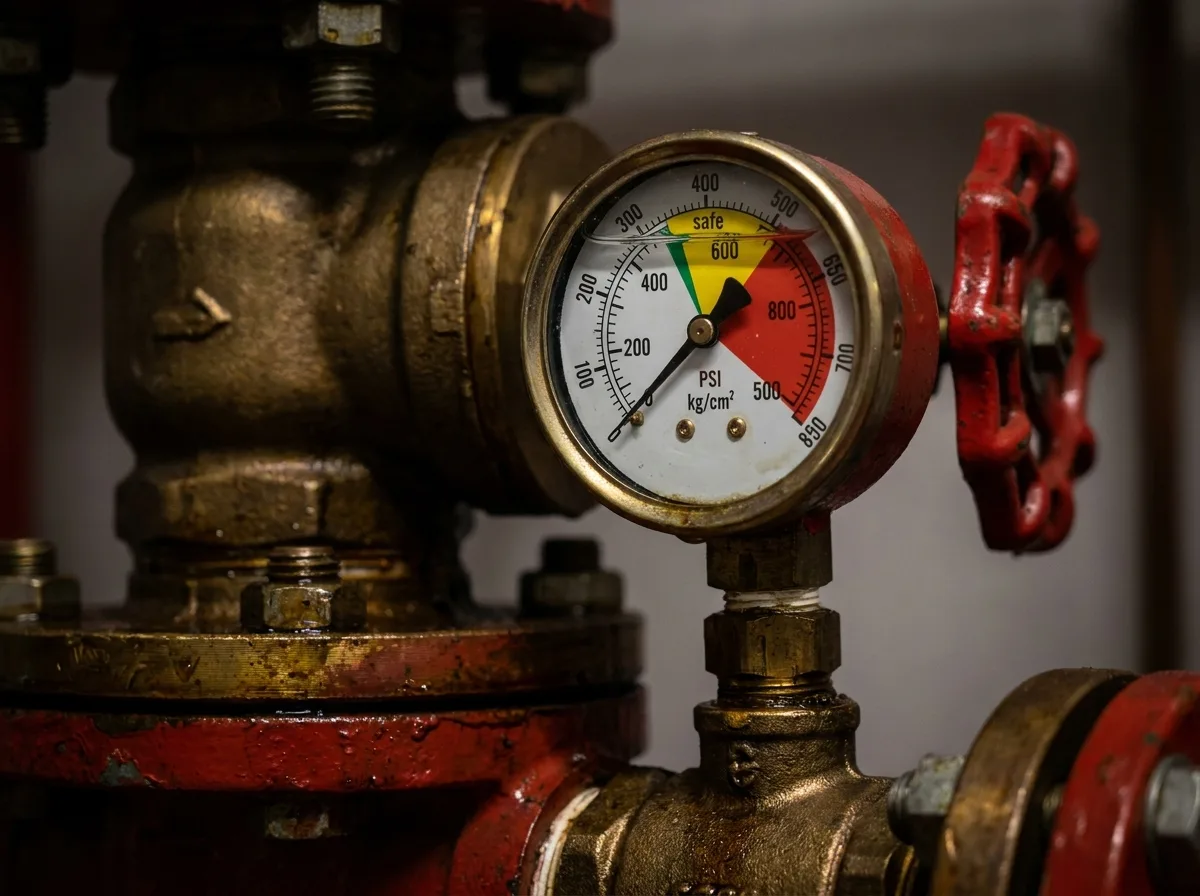
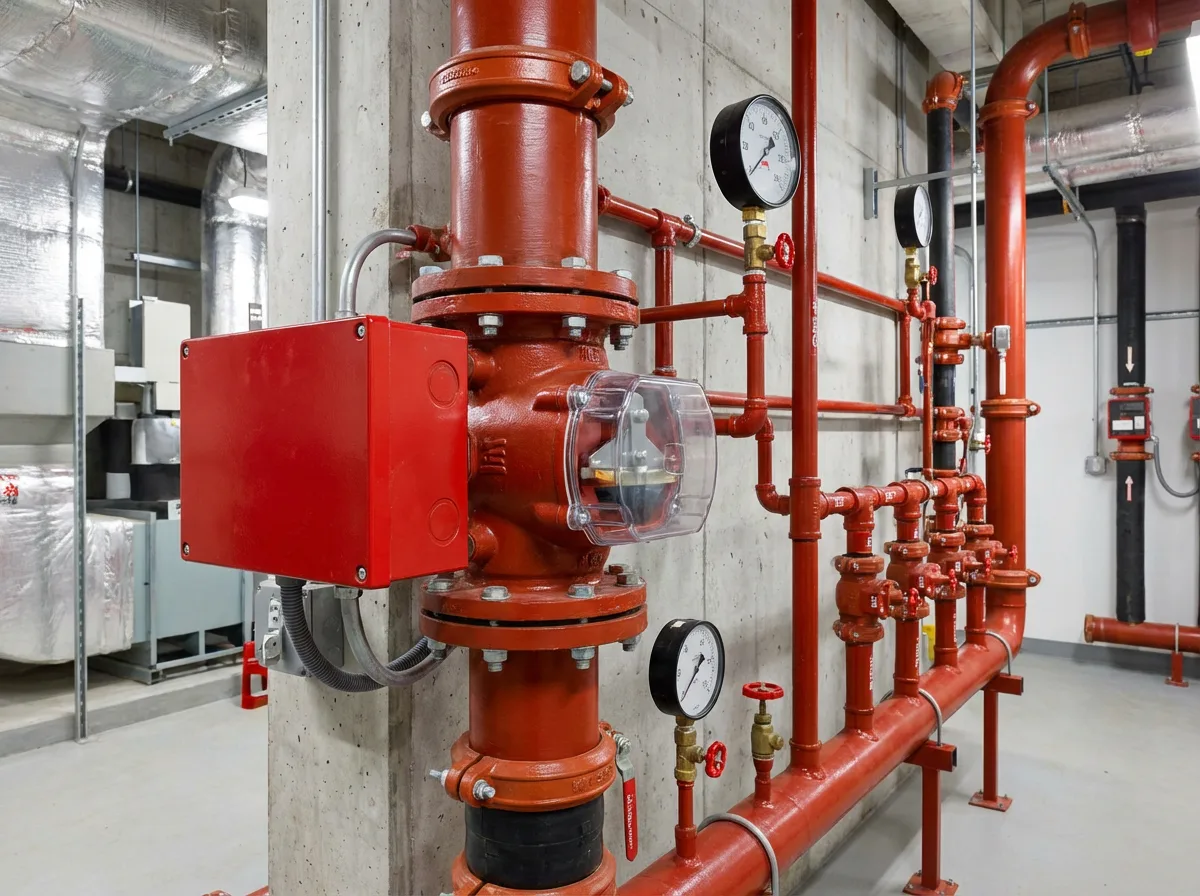
A dry pipe system is clever and fragile in equal measure. The pipes sit full of pressurized air instead of water, perfect for unheated spaces like parking garages and warehouses where water would freeze. When a sprinkler opens, the air escapes, a valve "trips," and water rushes in. The trip test is how you confirm that whole chain of events still happens fast enough to matter. This article explains the engineering behind the 3-year interval and what tends to break when the test finally runs.
Why 3 years, specifically
NFPA 25 requires a full-flow trip test of dry pipe valves every three years (NFPA 25 Ch. 13; §13.4.4.2.2 in older editions, §13.4.5.2.2 in the 2023 edition, see the NFPA 25 frequencies and verify the adopted edition). That interval is a balance. Run the test too often and you are repeatedly introducing water into a system designed to stay dry, accelerating internal corrosion. Run it too rarely and mechanical components seize, water delivery time creeps up, and the system quietly stops meeting its design. Three years is the engineered middle ground between those two failure modes.
The trip test does not just ask "does the valve open?" It asks "does water reach the most remote sprinkler within the time the system was designed for?"
What "water delivery time" means
For many dry systems, code requires water to reach the inspector's test connection within 60 seconds of the valve tripping. Every second beyond that is a second the fire grows unchecked. A full-flow trip test measures that delivery time under real conditions, not a partial-flow shortcut that can hide problems.
What typically fails when the test finally runs
- Internal corrosion narrowing the pipe and slowing water delivery.
- A dry pipe valve clapper that sticks or seats poorly after years of disuse.
- A failed or sluggish quick-opening device (accelerator) that no longer speeds the trip.
- Low-point drains that were never properly drained, leaving trapped water and ice damage.
- Air pressure maintenance devices that have drifted out of spec.
Corrosion and trapped debris are also why a thorough pipe flushing often goes hand in hand with the trip test, clearing the obstruction is half the fix. And because the trip test pressurizes piping, it pairs naturally with the hydrostatic testing due on the same systems.
The takeaway
A dry pipe system that has not been trip tested on schedule is a system you are hoping still works. The three-year interval exists precisely because these failures are silent and cumulative. Run the full-flow test, measure the real delivery time, and fix what it surfaces, before the system has to perform for real. Property managers who keep these intervals also keep a clean compliance file, which matters more than most realize at claim time. Request a quote to get your dry systems on schedule.