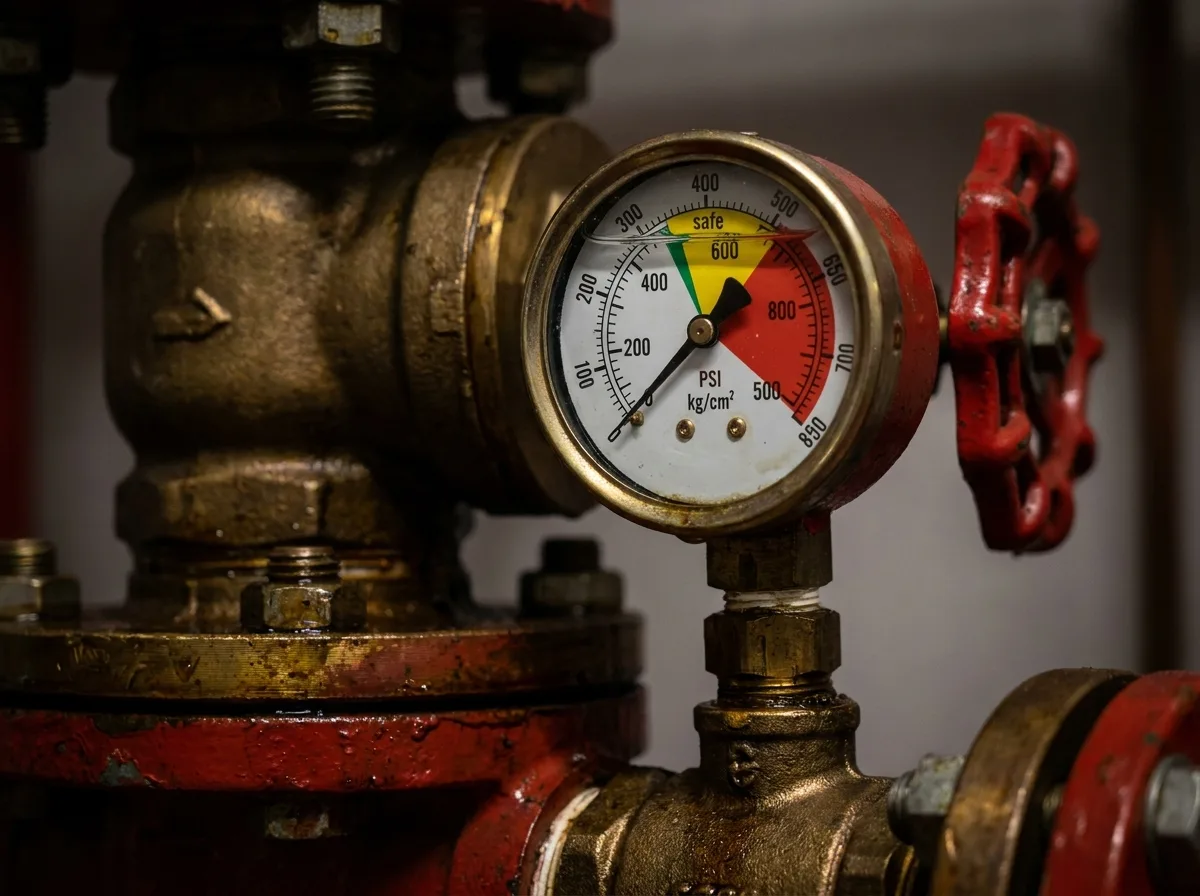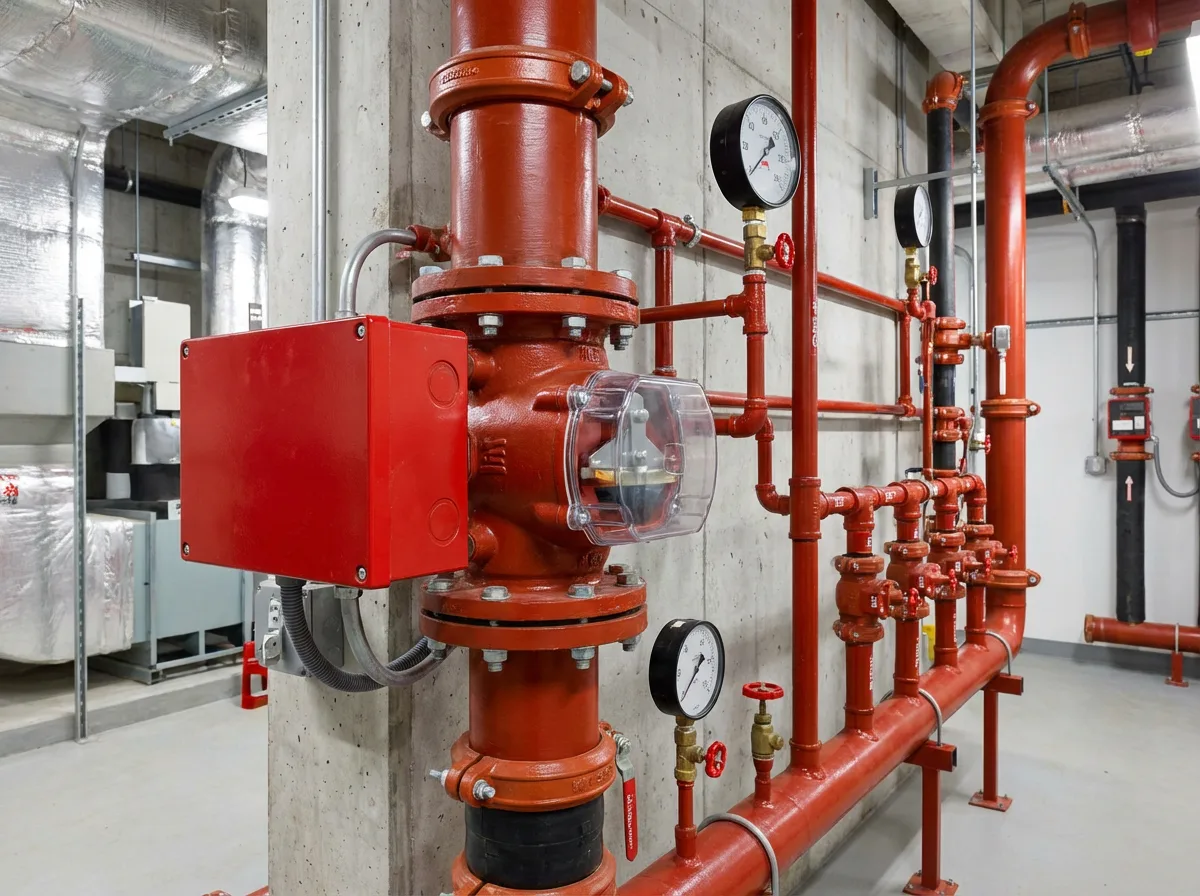

A hydrostatic pressure test fills a standpipe with water and holds it at 200 psi or 50 psi above normal operating pressure, whichever is greater, for about two hours to confirm the piping holds without leaking. It is a regulatory test for standpipe integrity and is commonly due every five years, and after major repairs. Verify against the adopted edition.
Hydrostatic pressure tests are a fundamental procedure in ensuring the safety and reliability of various piping systems, including standpipe systems. These tests involve filling a system with water to a specific pressure level to verify its structural integrity and ability to maintain pressure without leaking. In fire protection systems, particularly standpipe systems, hydrostatic testing plays a crucial role in guaranteeing that the infrastructure will perform effectively in an emergency. This article explores what hydrostatic pressure tests are, how they are conducted, and why they are essential for the maintenance and safety of standpipe systems. For the broader case behind proactive testing, start with Why Test.
What is a Hydrostatic Pressure Test?
A hydrostatic pressure test involves filling a pipeline or standpipe system with water and pressurizing it to a level higher than its normal operating pressure. The test is designed to detect leaks, weaknesses, or other deficiencies in the system. Typically the system is filled with water, and pressure is applied using a pump until it reaches the specified test pressure. The pressure is then maintained for a predetermined period, usually around two hours, while inspectors monitor for any signs of leakage or pressure loss. In the context of standpipe systems, hydrostatic testing is both a regulatory requirement and a best practice for ensuring fire safety.
How Hydrostatic Pressure Tests Are Conducted

- Preparation: the section of the standpipe system to be tested is isolated. All outlets are sealed, and air is purged from the system to prevent inaccurate readings due to air compression.
- Filling the system: the standpipe is filled with water, ensuring there are no air pockets, as trapped air can affect the accuracy of the test.
- Pressurization: using a hydrostatic test pump, the system is pressurized to 200 psi or 50 psi above the normal operating pressure, whichever is greater (NFPA 14 §11.4.1 at acceptance; NFPA 25 §6.3.2.1 uses 200 psi for 2 hours, or 50 psi above maximum where that maximum exceeds 150 psi). Verify against the adopted edition.
- Monitoring: the pressure is held steady for two hours. During this period, inspectors check for visible leaks and monitor pressure gauges to detect any drops, which would indicate a leak or structural weakness.
- Inspection and documentation: after the test duration, a thorough inspection is performed. Any leaks or pressure drops are documented, and necessary repairs are made before retesting.
Why Hydrostatic Pressure Tests Matter for Standpipe Systems
- Ensuring system integrity: standpipe systems are critical components of a building's fire protection infrastructure. Hydrostatic tests confirm that pipes, joints, and connections are intact and capable of withstanding operational pressures without leaking or bursting.
- Compliance with safety standards: fire codes such as NFPA 25 require regular hydrostatic testing (NFPA 25 §6.3.2.1). Non-compliance can result in fines, legal liabilities, and increased insurance premiums.
- Early detection of weaknesses: over time, systems develop weaknesses due to corrosion, mechanical damage, or poor installation. Hydrostatic testing identifies these issues before they escalate.
- Enhanced firefighter safety: firefighters rely on standpipe systems to supply water, especially in high-rise buildings. Regular testing ensures the system functions as expected when needed.
- Protecting property and lives: a leak-free, pressure-holding system contributes to the overall effectiveness of the building's fire suppression efforts.
- Cost-effectiveness: identifying and addressing issues early prevents costly repairs, water damage, and potential lawsuits resulting from system failures.
- Insurance requirements: many insurers require proof of regular hydrostatic testing as part of their coverage conditions.
That insurance point is the one owners underestimate. We break down exactly how a missing test report turns a covered loss into a denied claim in Insurance Won't Cover What You Didn't Maintain.
Common Issues Identified During Hydrostatic Testing
- Leaks: the most common issue, detected at joints, fittings, or along the pipe itself, often from corrosion, poor installation, or material defects.
- Pressure drops: a significant drop without visible leaks can indicate hidden weaknesses or micro-cracks in the system.
- Corrosion: particularly in older systems, corrosion can compromise pipe integrity and lead to failures during high-pressure situations.
- Faulty valves and connections: valves and connections may fail to seal properly, leading to pressure loss and reduced system efficiency.
A hydrostatic test proves the pipe holds pressure now, with clean water and an inspector watching, instead of discovering a weak joint during an actual fire.
Frequency of Hydrostatic Testing
The NFPA and local fire codes typically mandate hydrostatic testing at regular intervals. For manual and semiautomatic-dry standpipes, testing is required every five years (NFPA 25 §6.3.2.1), although more frequent testing may be necessary for older systems or those exposed to harsh conditions. That is not a blanket 5-year hydrostatic on every wet automatic riser. Hydrostatic tests should also be conducted after any significant modifications or repairs to confirm the changes have not compromised the system (NFPA 14 §11.4.1 at acceptance). Verify against the adopted edition. That five-year clock lines up with the required standpipe flow test (NFPA 25 §6.3.1.1), so it makes sense to coordinate them, and dry systems carry an additional trip test obligation as well. See the NFPA 25 inspection frequencies.

Conclusion
Hydrostatic pressure tests are a vital component of standpipe system maintenance and safety assurance. By verifying the structural integrity and leak-tightness of the system, these tests help prevent failures that could jeopardize firefighting efforts and endanger lives. Regular testing not only ensures compliance with fire safety regulations but also enhances the reliability of the standpipe system. The same discipline applies to the fire hydrant flow tests and trip tests and pipe flushing that round out a complete maintenance program. We support property owners and managers, contractors and developers, and fire protection firms every step of the way.
Contact FLOW today for your testing needs, request a quote or get in touch.