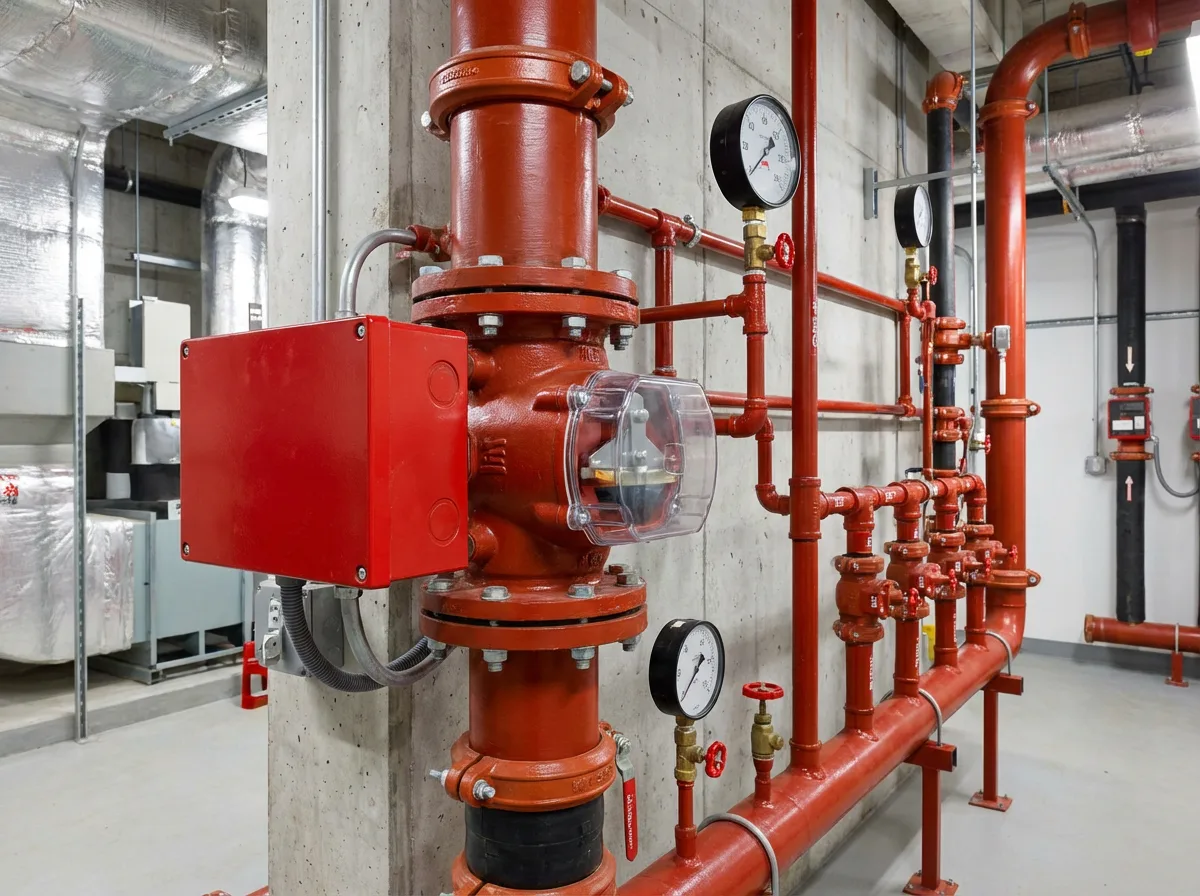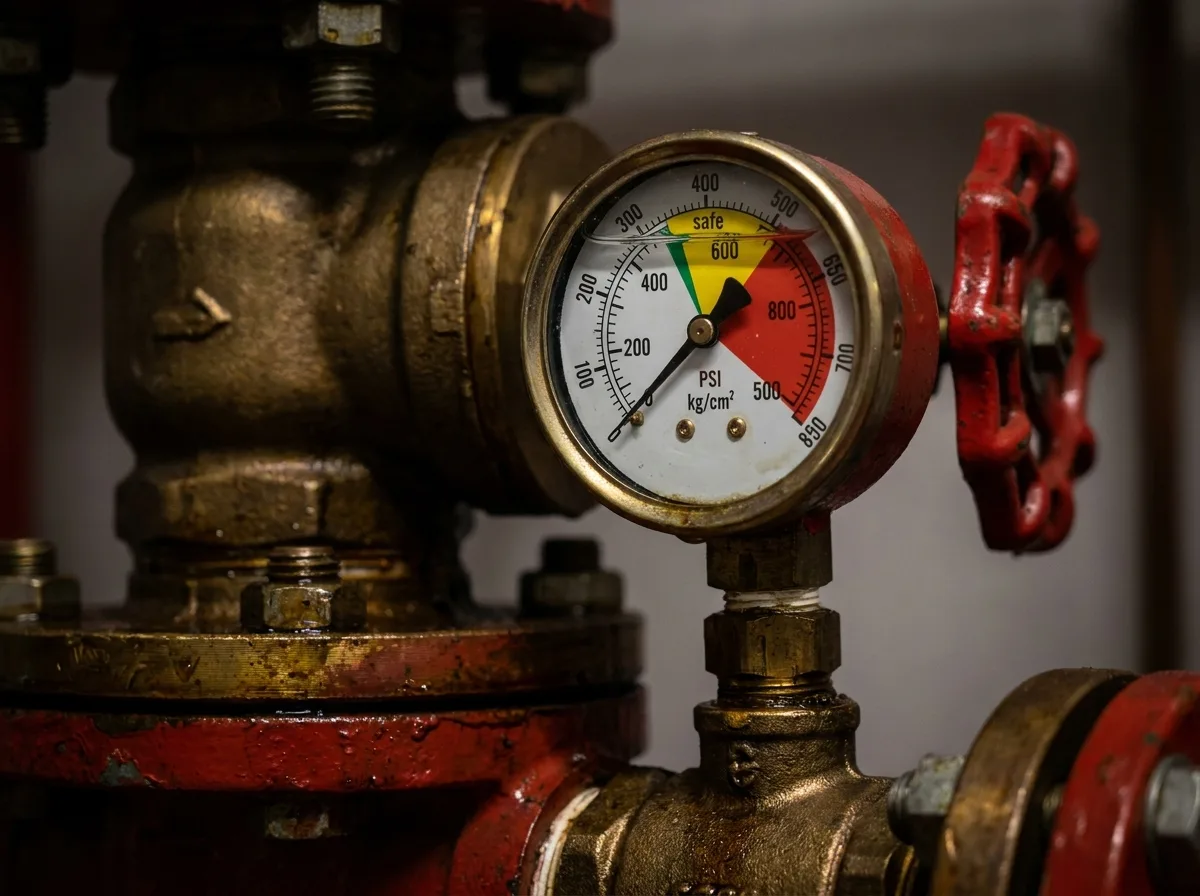
Nobody reads their fire protection maintenance clause until after a fire. By then it is the most important paragraph in the policy. Here is what an adjuster is actually looking for when a fire loss claim crosses their desk, and why a missing test report can turn a covered loss into a denied one. This is the practical case for keeping your testing current.
The maintenance condition you agreed to
Most commercial property policies include a protective safeguards endorsement or a maintenance condition. In exchange for the rate you pay, you agree to keep your fire protection systems in working order and tested per applicable standards, typically NFPA 25, on the intervals it sets. If you do not, the carrier reserves the right to reduce or deny a claim. This is not fine print designed to trap you; it is the basis of the premium you were quoted.
At claim time, the question is not "was there a fire?" It is "can you prove your system was maintained the way your policy required?"
What the adjuster asks for
- Current annual inspection reports for sprinkler and standpipe systems.
- The most recent 5-year standpipe flow test report.
- Hydrostatic test records for dry and semi-automatic standpipes.
- 3-year dry pipe valve trip test documentation.
- Service records for the fire pump, backflow preventers, and control valves.
- A consistent paper trail showing testing happened on the required intervals.
The most common reasons claims get reduced or denied
In practice, the denials cluster around a few patterns: no record that a required test was ever performed, a control valve found closed at the time of loss, a fire pump that had not been tested and failed to start, or a documentation gap where the testing intervals lapsed. The fire itself is rarely the disputed fact. The maintenance record almost always is. Many of these failures are exactly what a trip test or flow test would have caught years earlier.
How to protect the claim before there is one
The defense is boring and effective: test on schedule and keep the reports. A signed flow test report, a trip test record, and current inspection documentation form a paper trail that takes the maintenance argument off the table entirely. The cost of that testing is a rounding error next to a denied seven-figure fire loss.
The bottom line
Insurance pays for losses you could not prevent, not for systems you did not maintain. Treat your testing reports as part of your insurance, because functionally, they are. The owners who keep clean records are the ones whose claims get paid. If you are a property owner or manager without a current report, request a quote today, it is the cheapest insurance you will buy all year.