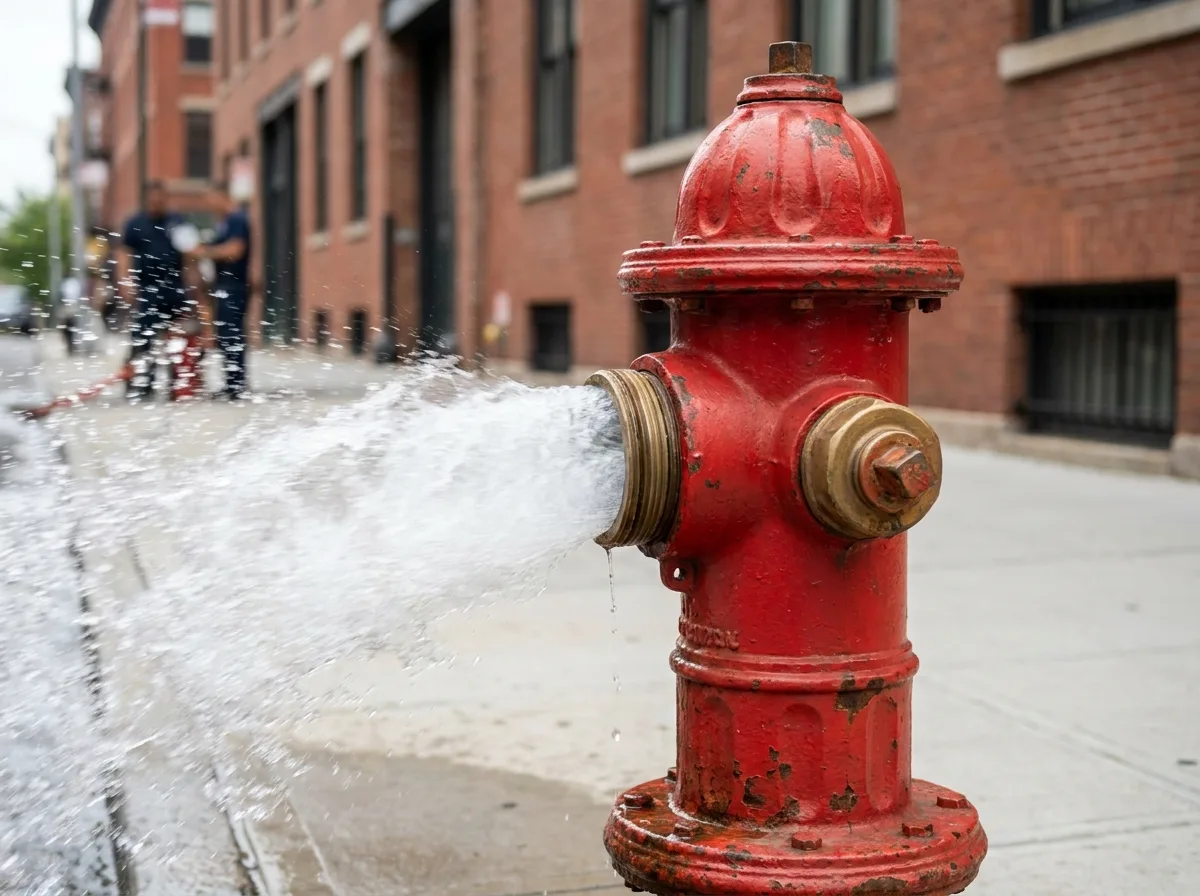

Private fire hydrants must be operated and flowed at least annually so the barrel opens, clears debris, and actually delivers water. A separate measured-capacity fire hydrant flow test, static, residual, and pitot gpm, documents the supply for firefighting and hydraulic calculations. After main work or construction, retest. Verify frequencies against the adopted NFPA 25 edition and local utility rules.
Maintaining an effective fire protection system is crucial for the safety of both property and lives. One of the essential procedures in this maintenance routine is a fire hydrant flow test. This process ensures that fire hydrants provide adequate water flow and pressure during emergencies, which is vital for effective firefighting. In this post, we'll explore why fire hydrant flow testing is necessary, how often it should be performed, and how it contributes to overall fire safety. For the broader case behind proactive testing, start with Why Test.
What is Fire Hydrant Flow Testing?
A fire hydrant flow test is a procedure used to measure the water pressure and flow rate from a fire hydrant. This test determines whether the hydrant can supply the necessary water for firefighting operations. The process involves opening the hydrant, measuring the static and residual pressures, and calculating the flow rate using specialized equipment (or the hydrant flow test calculator once you have pitot, outlet diameter, and coefficient). This data helps evaluate the hydrant's performance and the capacity of the surrounding water distribution system, the same supply that feeds your standpipe system.
Why is Fire Hydrant Flow Testing Necessary?
- Ensures adequate water supply for firefighting: regular flow testing confirms that hydrants can deliver sufficient water pressure and volume to control and extinguish fires effectively.
- Identifies system weaknesses: over time, sediment buildup, corrosion, and mechanical wear can reduce a hydrant's efficiency. Flow testing detects these issues early.
- Compliance with fire safety regulations: many local and national codes, including NFPA standards, require routine hydrant flow testing (NFPA 25 §7.3.2 for annual private-hydrant operation; NFPA 291 for the measured static/residual/pitot method).
- Improves firefighting strategy: accurate flow data helps fire departments choose the right equipment and tactics.
- Maintains insurance compliance: many insurers require proof of regular testing as part of their coverage conditions.
That last point is the one owners underestimate. We break down exactly how a missing test report turns a covered loss into a denied claim in Insurance Won't Cover What You Didn't Maintain.

How Often Should Fire Hydrant Flow Testing Be Performed?
The frequency of fire hydrant flow testing depends on local regulations and environmental conditions. For private hydrants, NFPA 25 §7.3.2 (and Table 7.1.1.2) requires an annual operation/flush test: open fully and flow until clear for at least one minute. That is a function test, not an NFPA 291 rated-capacity test. The underground and exposed private mains that feed them are flow-tested on a longer cycle (NFPA 25 §7.3.1, commonly every 5 years). Municipal hydrants follow the water utility and AHJ. Verify against the NFPA 25 inspection frequencies and the adopted edition. Hydrants in high-risk areas or those exposed to harsh weather conditions may require more frequent testing. Additionally, flow testing should be performed after any significant changes to the water distribution system, such as new construction or major repairs, to ensure system integrity. Keep in mind that hydrant data also feeds hydraulic calculations, and that data is perishable, see Hydrant Flow Test Data Is Perishable.
The Fire Hydrant Flow Testing Process
- Preparation: the area around the hydrant is cleared and necessary safety precautions are taken.
- Opening the hydrant: the hydrant is gradually opened while pressure gauges measure static and residual pressures.
- Measuring flow rate: specialized flow testing equipment measures the flow rate to ensure it meets required standards. Convert pitot pressure to gpm with the hydrant flow test calculator.
- Data analysis: the collected data is analyzed to determine the hydrant's performance and identify any issues.
- Reporting and maintenance: a detailed report is generated, and any necessary maintenance or repairs are scheduled.
Flow testing is the only thing that confirms a hydrant can actually deliver the water firefighters need before they ever connect a hose to it.
Conclusion
Fire hydrant flow testing is a vital component of fire protection system maintenance. It ensures that hydrants provide adequate water flow and pressure, identifies potential system weaknesses, and helps maintain compliance with fire safety regulations. Regular testing not only protects property and lives but also supports firefighting efforts by ensuring a reliable water supply. The same discipline applies to the hydrostatic pressure tests and trip tests and pipe flushing that round out a complete maintenance program. We support property owners and managers, contractors and developers, and fire protection firms every step of the way.
For professional and reliable fire hydrant flow testing services, contact FLOW. Our experienced team ensures your hydrants meet all safety standards and are ready for any emergency. Request a quote or get in touch today to schedule your fire hydrant flow testing.