Nobody publishes a flat price for a standpipe flow test, and any company that does is quoting a building they have never seen. What we can do is tell you exactly what moves the number so you can budget intelligently and compare quotes on equal terms. More cost and scheduling answers live in the Cost, Scheduling & What to Expect FAQ.
The variables that actually move the price
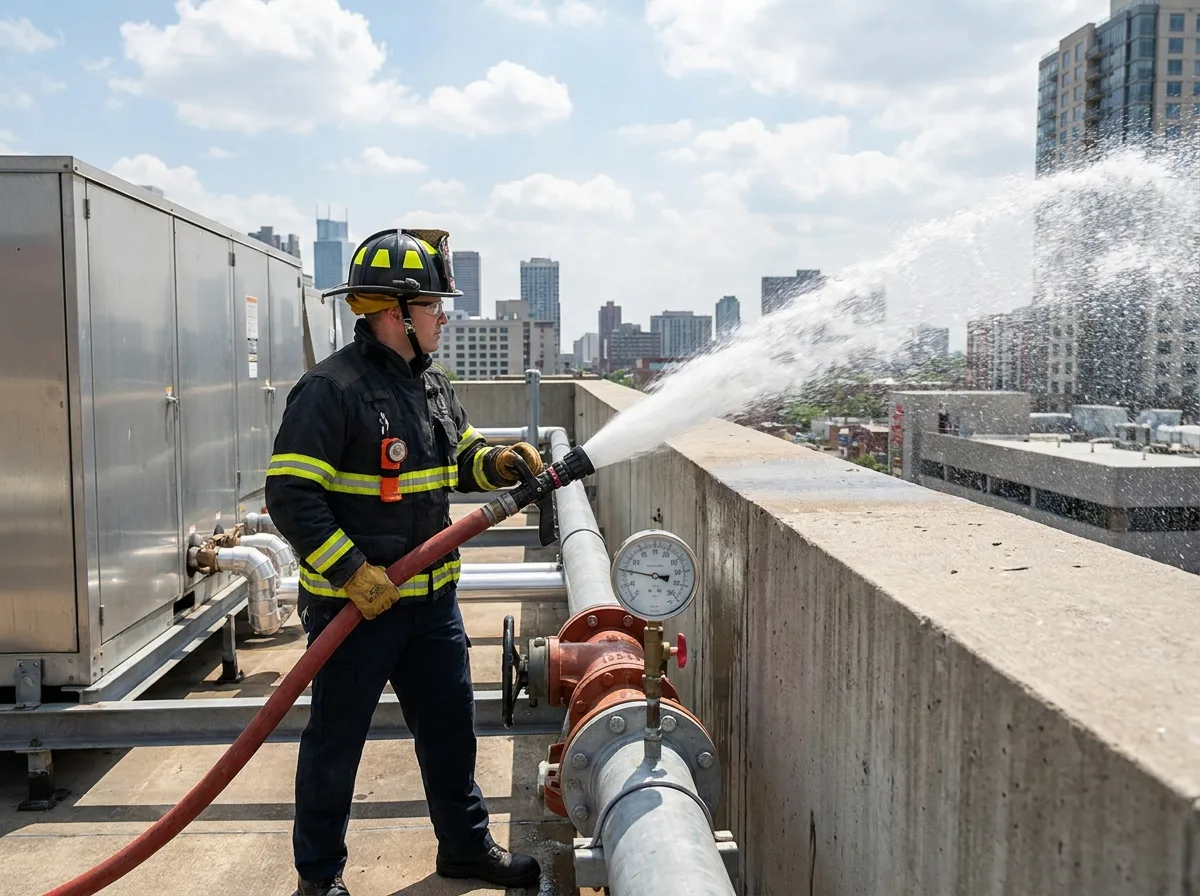
- Number of risers and standpipes. Each one has its own hydraulically most remote outlet and its own test. Two risers is not double the time, but it is not the same as one either.
- Building height and access. A 6-story walk-up with a locked roof hatch is a different day than a 30-story tower with a service elevator we can reserve.
- System type. A manual or dry standpipe requires pumping into the FDC with truck equipment; an automatic wet system may not.
- Water discharge and disposal. Where the water goes, whether a permit is needed, and whether dechlorination or containment is required.
- Hydrant permits and utility coordination. Some jurisdictions require a permit or meter to draw from a public hydrant.
- Scope bundling. Running the hydrostatic test, hydrant flow test, and trip test on the same mobilization is dramatically cheaper than three separate trips.
- Travel and scheduling. Off-hours or weekend work to avoid disrupting tenants costs more than a Tuesday morning.
The cheapest quote is usually the one that skipped the most remote outlet. Compare scope, not just price.
What a real quote should include
A defensible quote names the systems being tested, the standard being tested to (NFPA 14 / NFPA 25), the deliverable (a signed report with measured static, residual, and flow values), and who handles water disposal and permits. If a quote does not say what happens when the system fails, ask. Retest and repair coordination is where surprise costs hide.
Where owners waste money
- Paying for three mobilizations because tests were scheduled separately.
- Discovering a closed valve or a dead fire pump on test day and re-mobilizing after the repair.
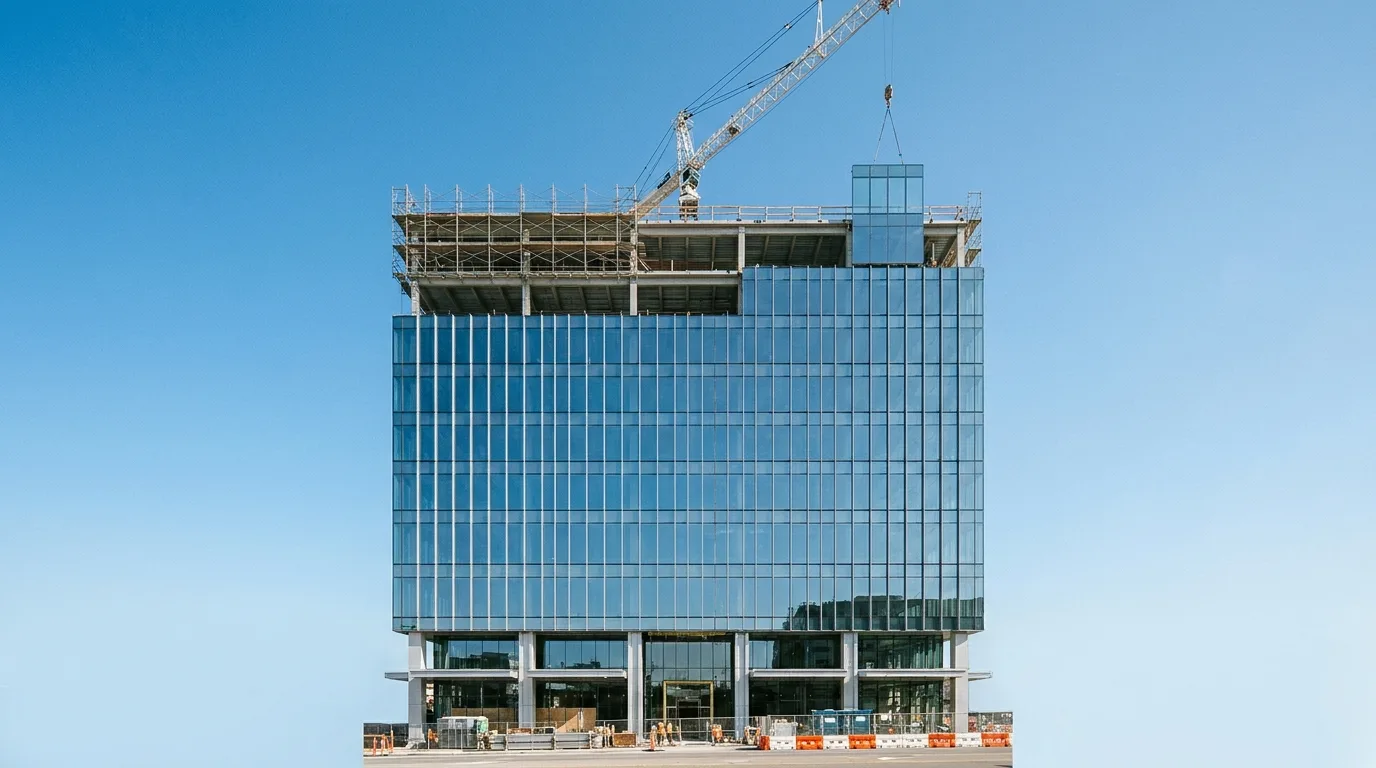
- Testing at CO instead of during construction, which turns a cheap test into an expensive delay.
- Losing the last report and re-testing early because nobody can prove the interval.
That third item is the expensive one for developers. We put real numbers to it in The Hidden Cost of a Failed Flow Test at CO.
How to think about the value
A flow test is a small recurring cost that sits against a very large downside: a denied insurance claim, a failed inspection, or a system that does not perform in a fire. We lay out the claims side in Insurance Won't Cover What You Didn't Maintain, and the documented consequences in the fire system failures database.
Get a real number
Send us the building address, the number of risers, the system type if you know it, and any recent reports. Most quotes go out within one business day. Request a quote or get in touch.