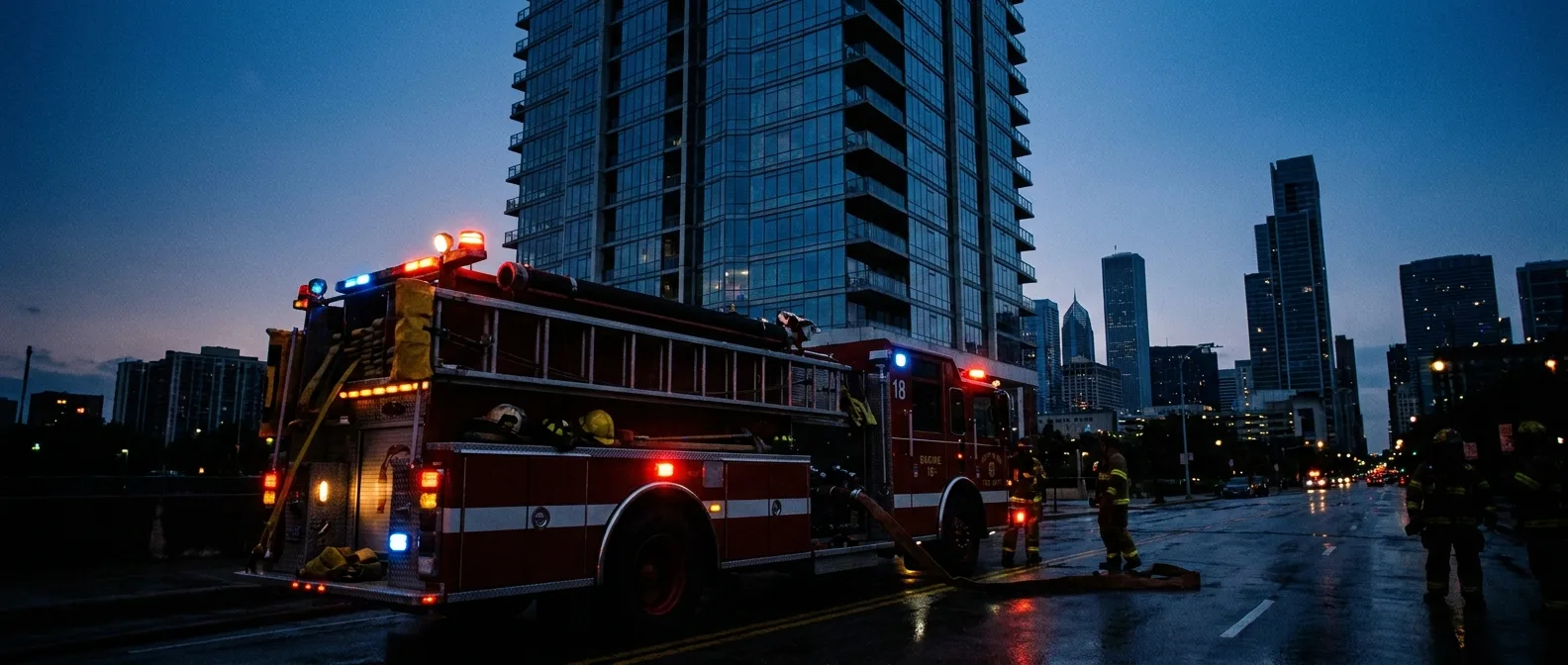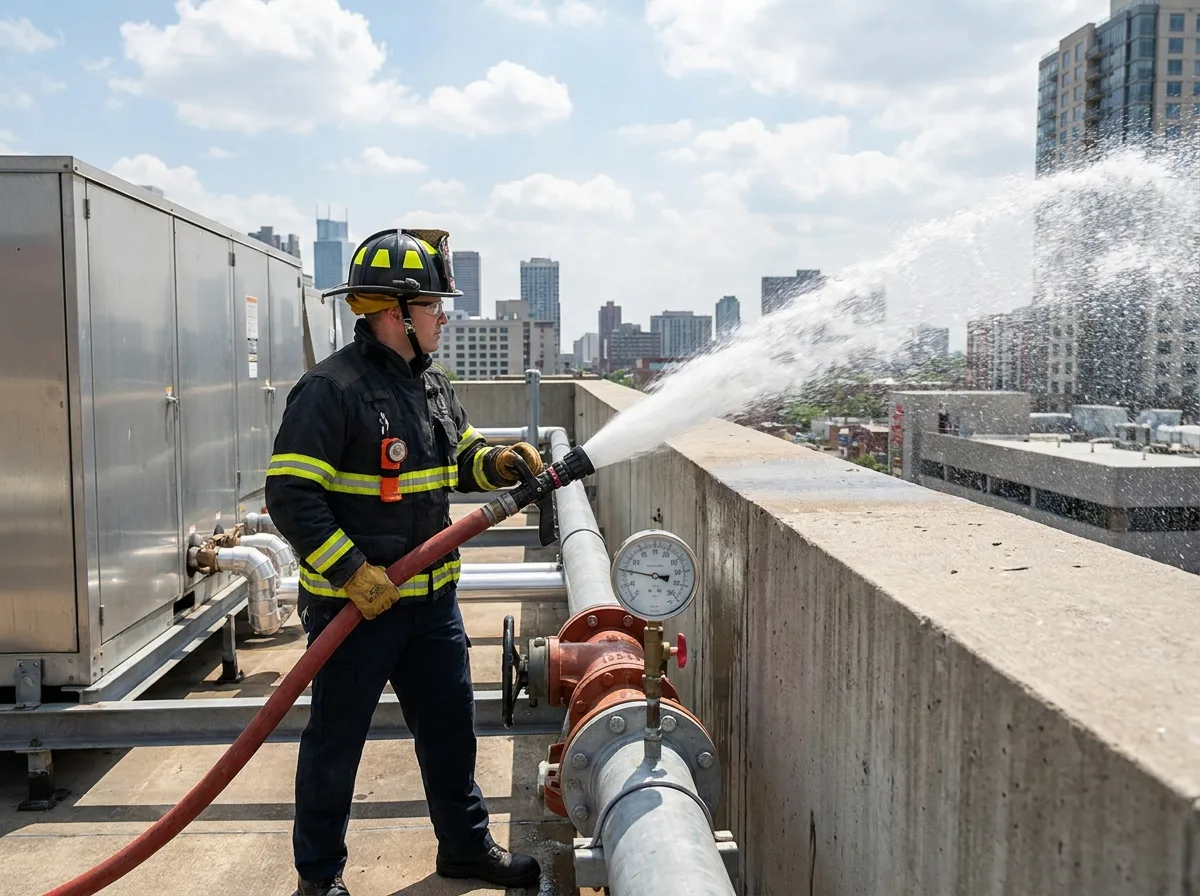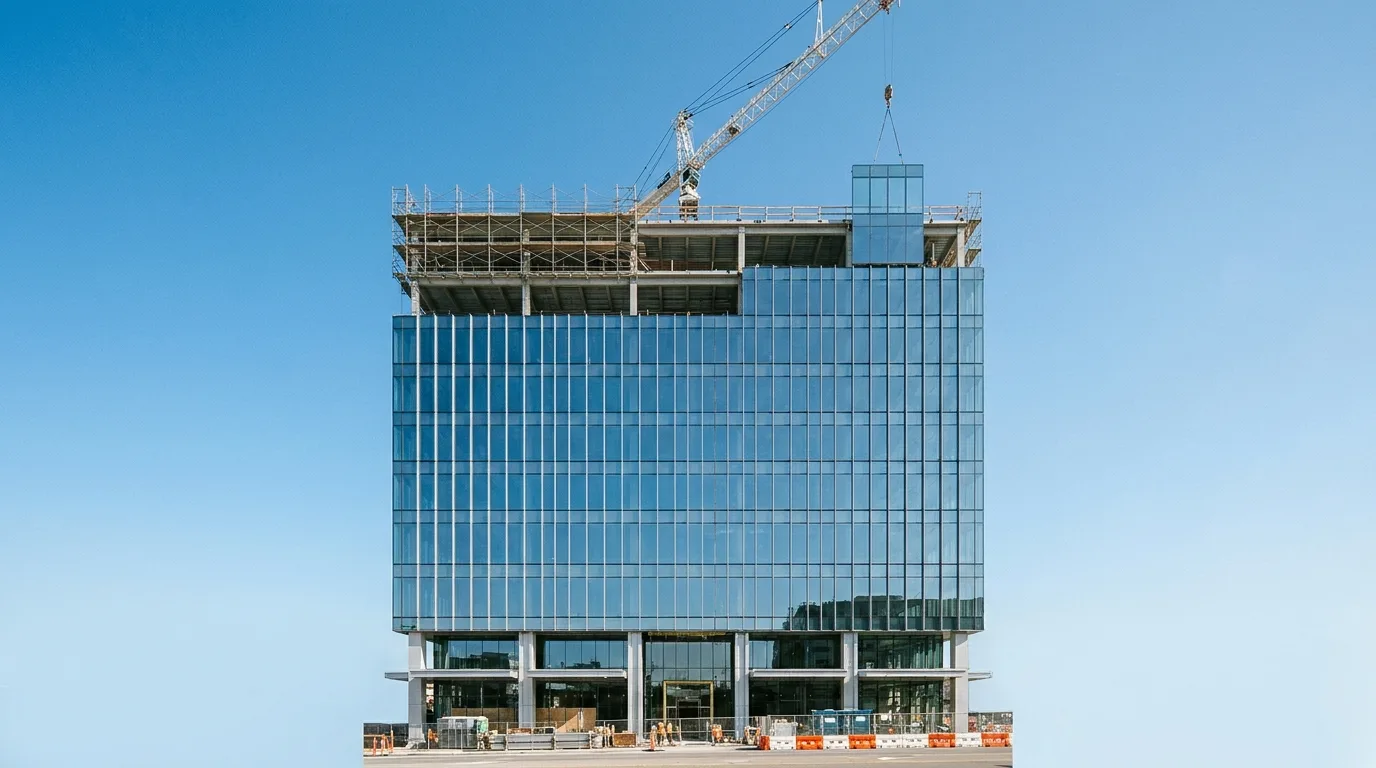
On a construction schedule, the acceptance flow test sits right at the finish line, usually days before the Certificate of Occupancy. It feels like a formality. Then it fails, and the formality becomes the single most expensive item on the project. This article puts real numbers to that failure and shows how to engineer it out of your schedule.
Why acceptance tests fail late
A failed acceptance test is rarely a mystery in hindsight. The usual culprits are a partially closed control valve, a fire pump that was never properly commissioned, debris from construction left in the piping, an underperforming water supply, or a design that did not account for the actual available pressure. The problem is that all of these are invisible until water actually flows, which often does not happen until the very end.
Several of these are avoidable with sequencing. Construction debris, for example, is exactly what a trip test and pipe flushing is designed to clear out before final testing (NFPA 25 Ch. 14). And an undersized design built on old water-supply numbers traces straight back to the problem we describe in Hydrant Flow Test Data Is Perishable.
The real cost stack
Let us put numbers to it. Consider a mid-size multifamily building ready for CO:
- Schedule delay: a failed test pushing CO by 2–4 weeks while the cause is diagnosed and corrected.
- Carrying costs: construction loan interest and insurance that keep running every day the building sits unoccupied, often tens of thousands of dollars per month on a large project.
- Lost lease-up revenue: every unit that cannot be occupied is rent you will never recover for that period.
- Re-mobilization: bringing the fire protection contractor, the testing firm, and the inspector back out, sometimes more than once.
- Reputation cost: a developer who blows a delivery date with tenants or buyers pays for it on the next deal too.
The flow test did not cost you the delay. The decision to wait until CO to find out whether the system works did.
How to de-risk it
The fix is sequencing, not luck. Pull water supply data early so the design is built on reality. Flush the piping before final testing so construction debris is not in the way. Commission the fire pump well ahead of CO, not the day before. And run a pre-acceptance dry run with your testing partner so that the official standpipe flow test is a confirmation, not a gamble.
The bottom line for developers
A failed flow test at CO is one of the most expensive ways to learn a lesson in construction. The test itself is cheap. The schedule it can blow up is not. If you are a contractor or developer, treat the acceptance test as a known milestone to engineer toward, not a coin flip at the end. Request a quote early and we will help you build testing into the critical path instead of bolting it on at the finish.