Virginia does not write fire protection rules from scratch. The Virginia Uniform Statewide Building Code (USBC) adopts the International Building Code and, through it, points to NFPA 14 for standpipe installation. Section 905 is where standpipe requirements live, and Section 905.2 is the one property owners ask about most. This walk-through decodes what it actually requires and where it connects to your ongoing standpipe testing obligations.
What 905.2 establishes
Section 905.2 sets the installation standard: standpipe systems in Virginia must be designed and installed in accordance with NFPA 14 and the provisions of the building code. In plain terms, it tells you the rulebook your system must follow, minimum pressures, flow rates, hose connection locations, and system classes all flow from this reference. For the national-standard view that sits behind it, see our breakdown of NFPA 14 standpipe testing requirements.
The pressure and flow numbers that matter
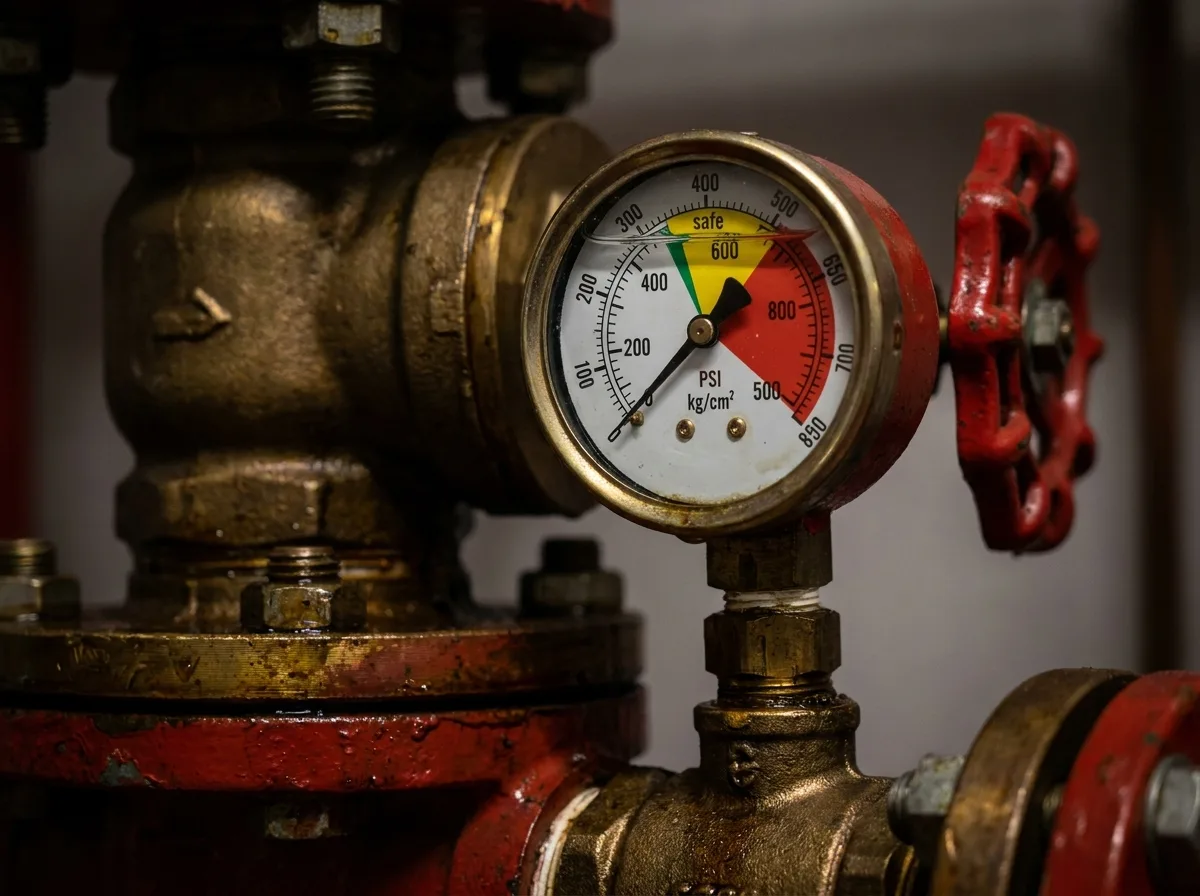
- Class I and III systems generally require a minimum of 100 PSI residual pressure at the most hydraulically remote 2½-inch hose connection.
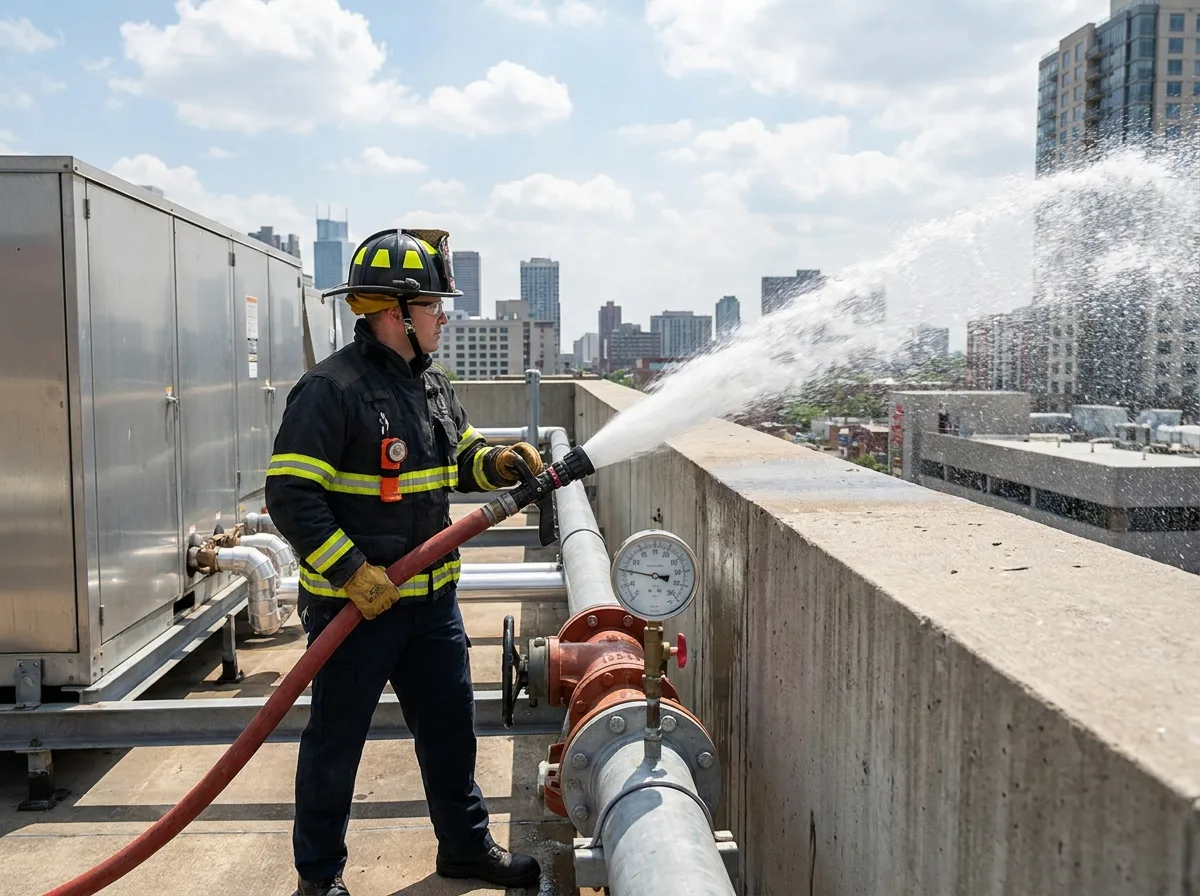
- Minimum flow of 500 GPM for the most remote standpipe, plus 250 GPM for each additional standpipe, up to code-specified maximums (the 500 + 250 gpm standpipe demand explained).
- Hose connections required at specified locations, typically in stairwells and on each floor level above and below grade.
The code tells you what the system must deliver. Only a flow test tells you whether yours still does.
Where the water supply comes in
A standpipe is only as good as the supply behind it. The available pressure and flow from the municipal main directly determine whether those 100 PSI / 500 GPM numbers are achievable, which is exactly why a fire hydrant flow test is part of demonstrating compliance on many buildings. Stale supply data is a real risk here, as we explain in Hydrant Flow Test Data Is Perishable.
Where owners get caught
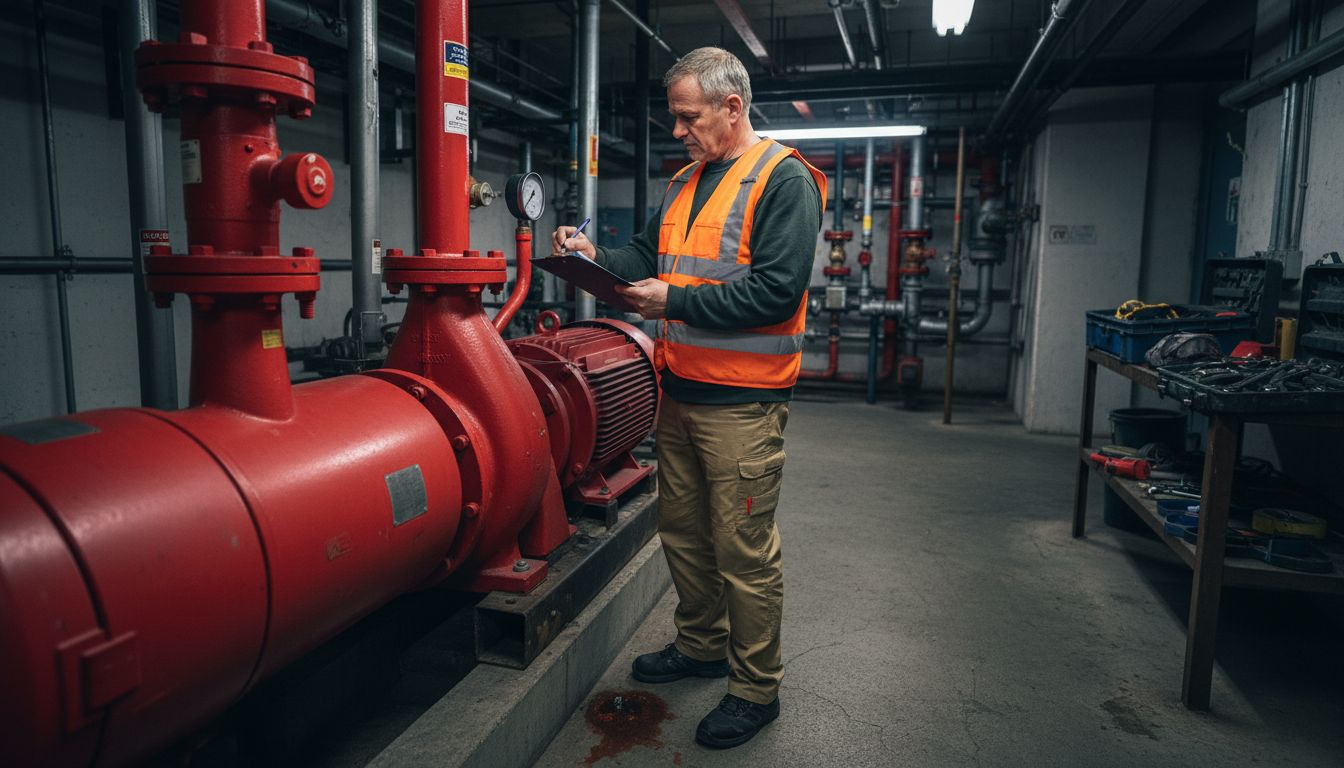
Section 905 (and NFPA 14 behind it) governs how the system is installed. The ongoing testing obligation, the recurring flow tests, hydrostatic tests, and trip tests that keep the system compliant, comes from NFPA 25, which Virginia also references for inspection, testing, and maintenance (see the NFPA 25 frequencies, and verify the adopted edition). Owners frequently satisfy the install requirement at construction and then forget that the maintenance standard keeps applying for the life of the building.
What this means for you
If you own a building in Virginia with a standpipe, two things are true: it was required to be installed to NFPA 14 under USBC Section 905, and it must be periodically tested under NFPA 25 to stay compliant and functional. Knowing the code reference is useful. Holding a current flow test report that proves your system meets those numbers is what actually protects you. Property owners and managers can request a quote to confirm exactly where they stand.