The District is one of the most standpipe-dense jurisdictions in our footprint. The height limit produces block after block of mid-rise and high-rise construction, much of it with manual or combination systems that only a truck-based test can properly evaluate. Here is how standpipe flow testing works in DC. Q&A version: Washington DC Fire System Testing FAQ.
The code in the District
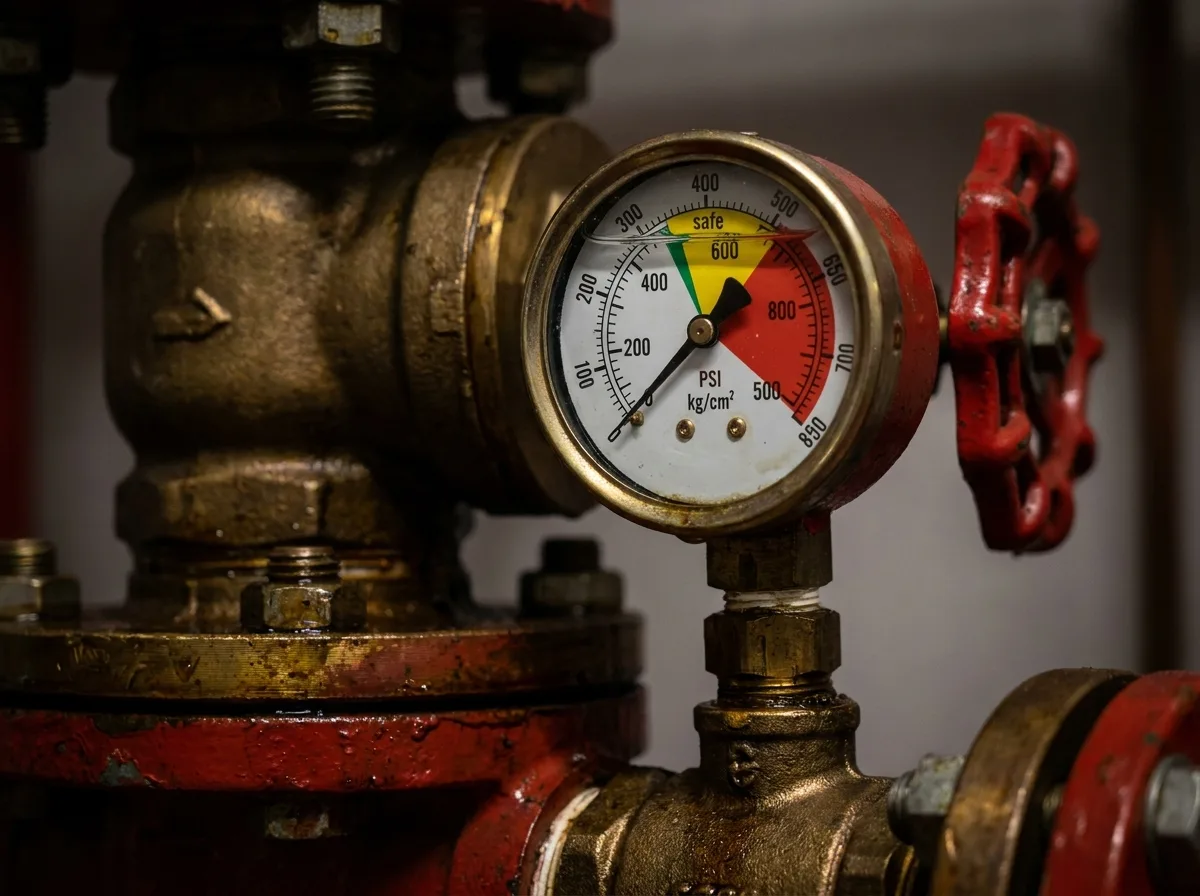
The DC Construction Codes adopt the IBC and IFC with District amendments. Standpipe installation follows NFPA 14; ongoing inspection, testing, and maintenance follows NFPA 25, including the 5-year full-flow test and hydrostatic testing of dry standpipes. DC Fire & EMS Fire Prevention Division inspectors regularly request current documentation on high-rise properties.
DC Water and hydrant permits
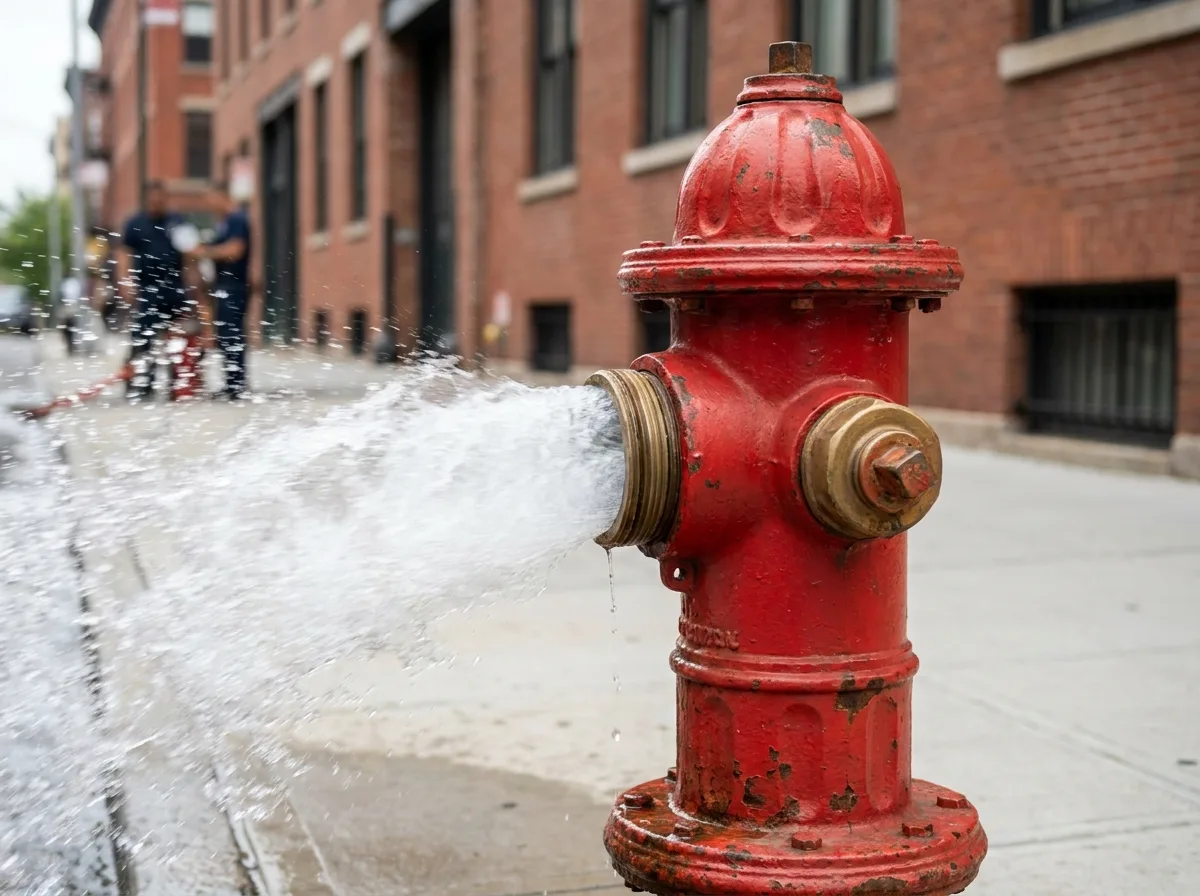
Any non-emergency hydrant draw in the District requires coordination and a permit through DC Water, and curb-lane or sidewalk occupancy may need separate approval. We handle the permitting and schedule around peak demand so a test never affects neighborhood supply, the same discipline applies when we do bulk water delivery in the city.
In the District, the permit and the parking plan are as much of the job as the pressure gauge.
Why manual systems are so common here
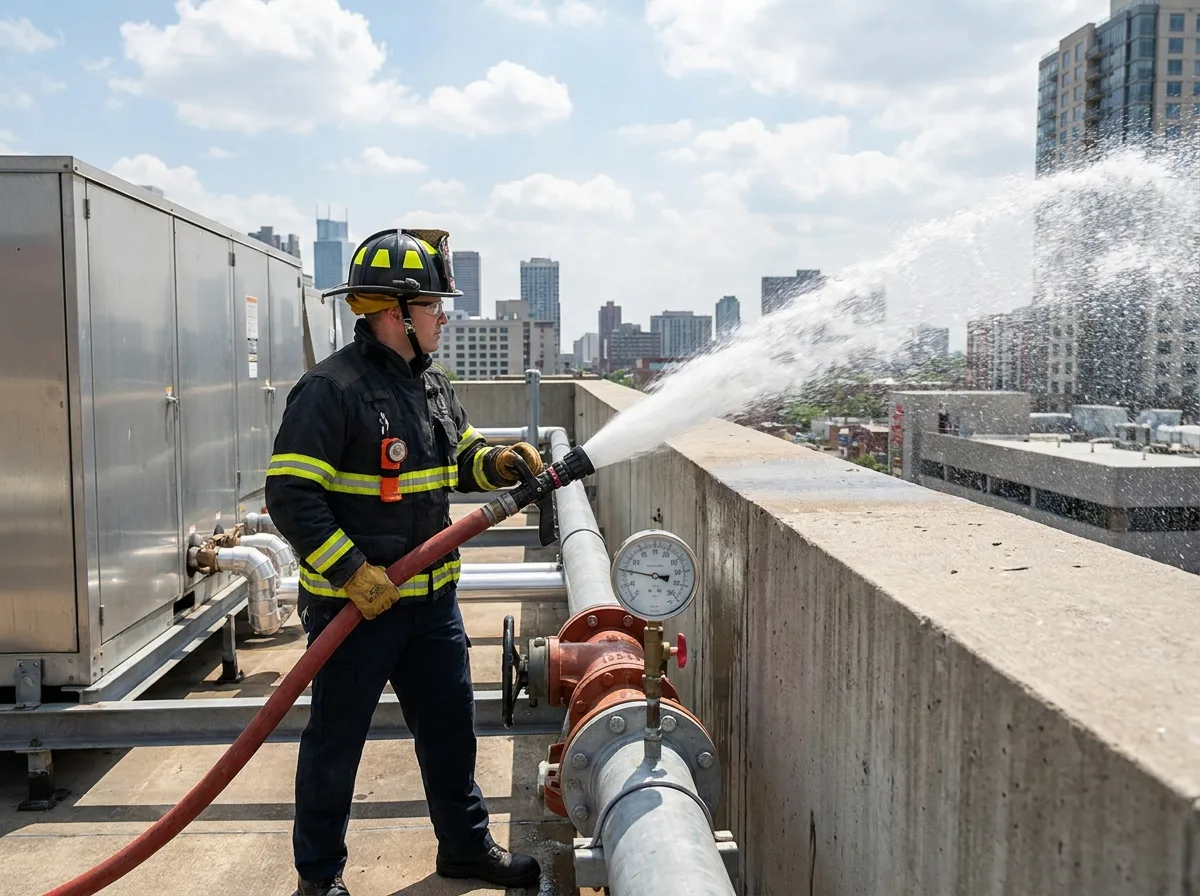
A manual wet or manual dry standpipe has no adequate supply of its own; the fire department charges it through the fire department connection. A valid test has to reproduce that, which is exactly what our pumper equipment does. If a vendor proposes to "test" a manual standpipe without pumping the FDC, they are not testing the system a fire crew would actually use. See Class I, II, and III Standpipe Systems Explained.
Where we work in the District
- Northwest: Downtown, Penn Quarter, Dupont, Logan Circle, Foggy Bottom, Georgetown, Columbia Heights.
- Northeast: NoMa, Union Market, H Street, Capitol Hill.
- Southeast: Navy Yard, Capitol Riverfront, Anacostia, Congress Heights.
- Southwest: The Wharf, waterfront hotels and mixed-use towers.
Details on the Washington DC service area page.
Scheduling around a working building
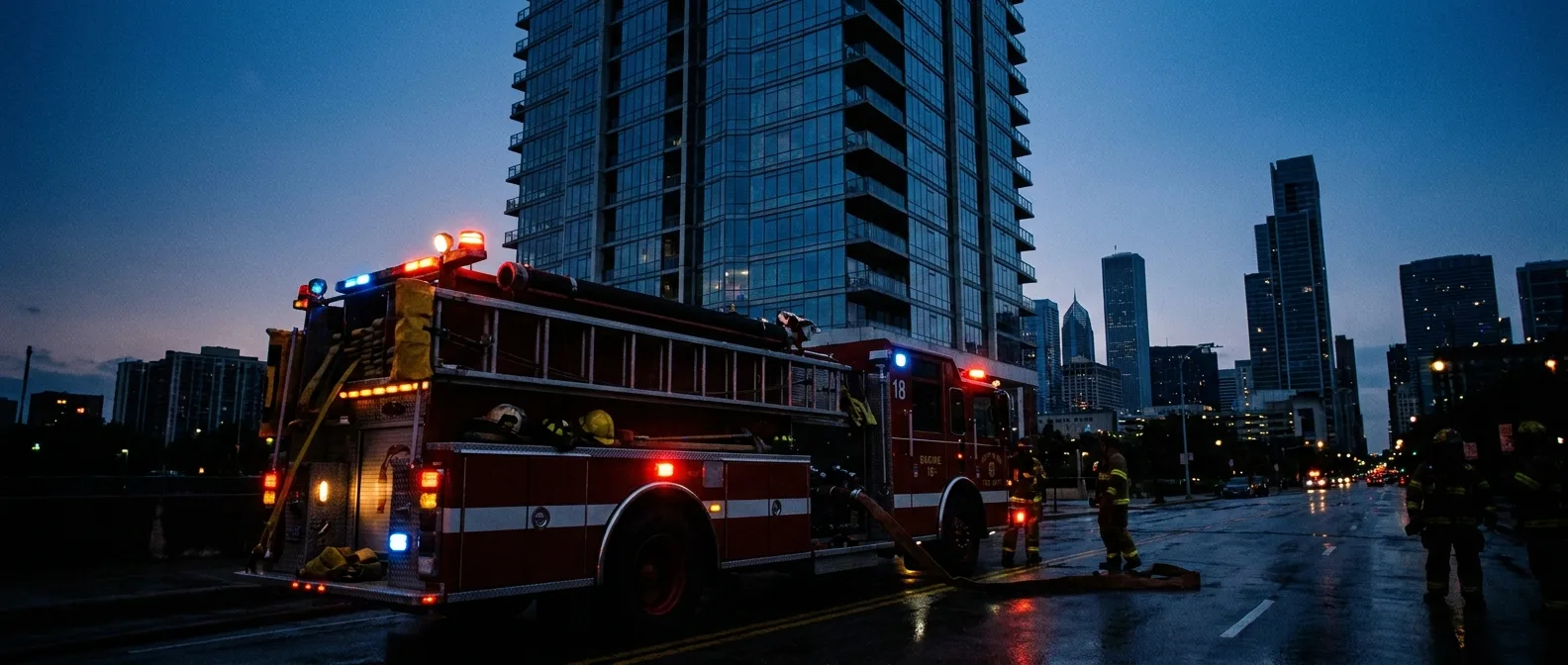
Early-morning and weekend windows are the norm downtown. Occupants stay in the building, the system is temporarily impaired under a written impairment procedure with alarm monitoring placed on test, but there is no evacuation and no loss of building services. What Actually Happens on Flow Test Day walks through the sequence.
Portfolios across the DMV
DC buildings almost always share ownership with buildings in Maryland and Virginia. Testing them together is cheaper and keeps intervals aligned, see Multi-State Fire Protection Testing.
Request a quote with your address and system type and we will handle the permit coordination from there.