Before anyone can tell you what testing your building owes, they have to know what class of standpipe you have. The class determines the hose connections, the required pressure and flow, and how a standpipe flow test is set up. Here is the plain-language version, plus how each class shows up on test day. More questions like this live in the Standpipe Flow Testing FAQ.
Class I, for the fire department
Class I systems provide 2½-inch hose connections intended for use by trained firefighters or people trained in heavy hose streams. There is no hose or nozzle stored on site, the fire department brings its own. This is the most common class in high-rise office, multifamily, and hotel construction.
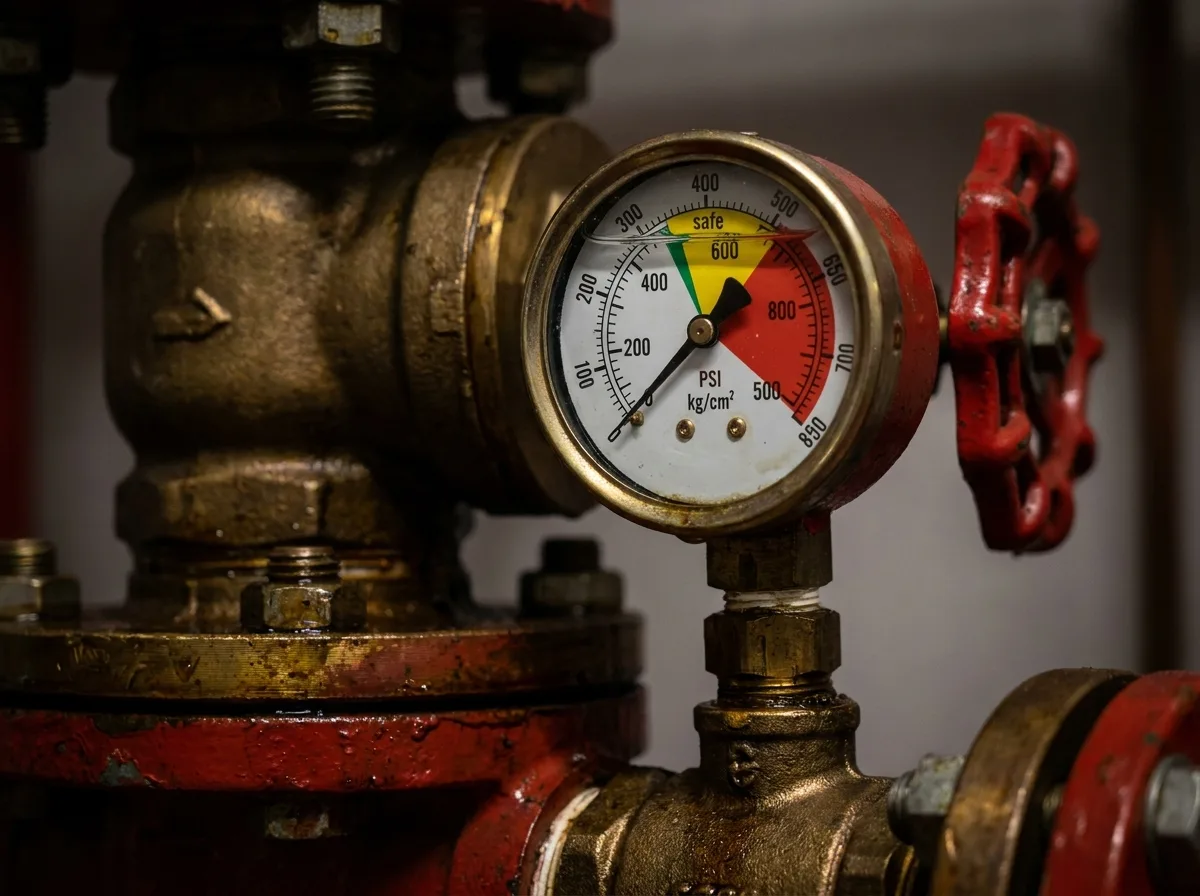
Because Class I outlets are what a fire crew will actually connect to, the code minimum most people quote applies here: 100 PSI residual at the hydraulically most remote 2½-inch outlet, with 500 GPM for the most remote standpipe. Those are the numbers a flow test is trying to prove, as we cover in NFPA 14 Standpipe Testing Requirements.
Class II, for building occupants
Class II systems provide 1½-inch hose stations with hose and nozzle attached, designed for use by building occupants or a trained fire brigade before the fire department arrives. The required residual pressure is lower (typically 65 PSI at the most remote outlet) because the intended user and flow are different.
Many jurisdictions have moved away from occupant-use hose stations, so you will often find Class II systems in older buildings, or hose valves that have been capped off and reclassified.
Class III, both
Class III systems combine both: 1½-inch connections for occupant use and 2½-inch connections for the fire department, often on the same riser with a reducer. Testing a Class III system means proving performance at the 2½-inch outlets, since those carry the larger demand.
Wet, dry, automatic, manual, a second axis
Class is only half the description. The other half is how the system gets water:
- Automatic wet: pipe is full of water and pressurized. Open a valve, water flows.
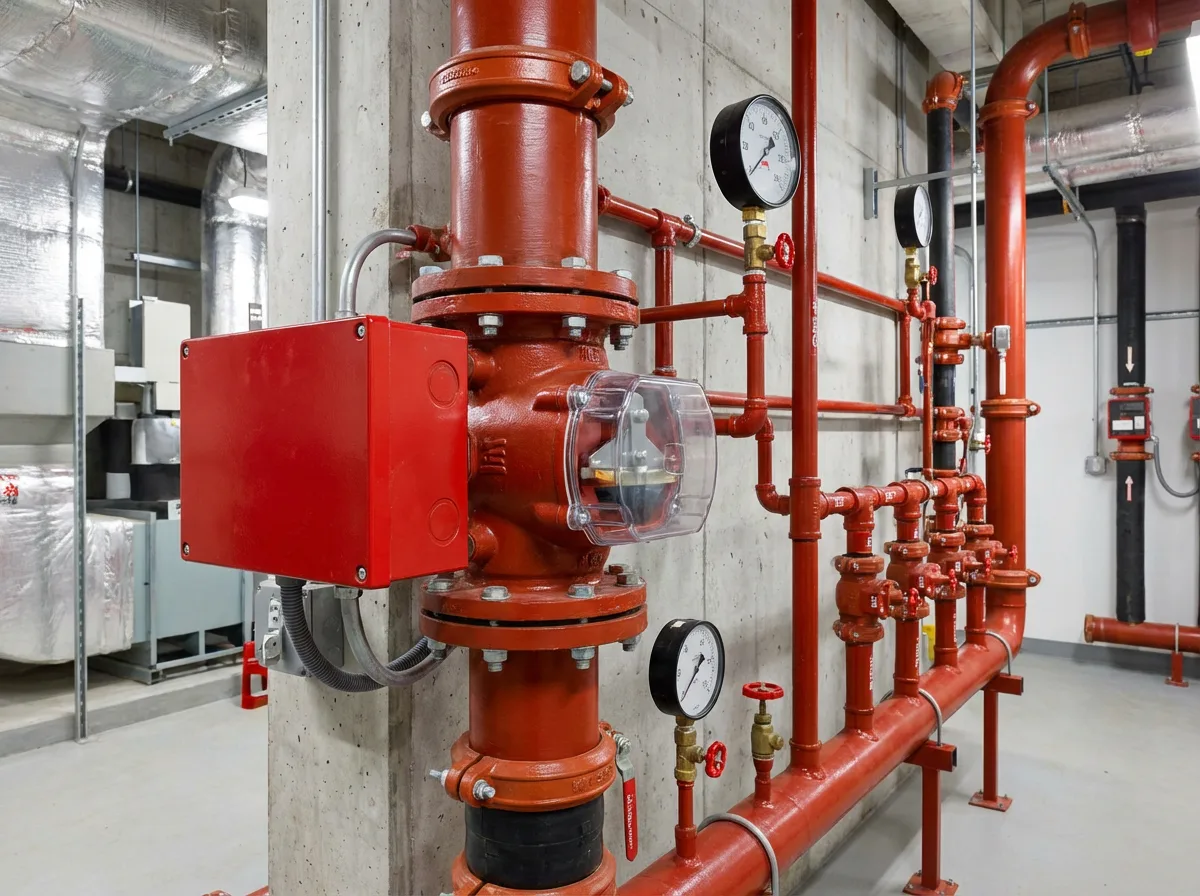
- Automatic dry: pipe holds pressurized air; a dry pipe valve admits water when a hose valve opens. Common in unheated stairwells and parking structures.
- Semi-automatic dry: water is admitted when a remote control device is actuated.
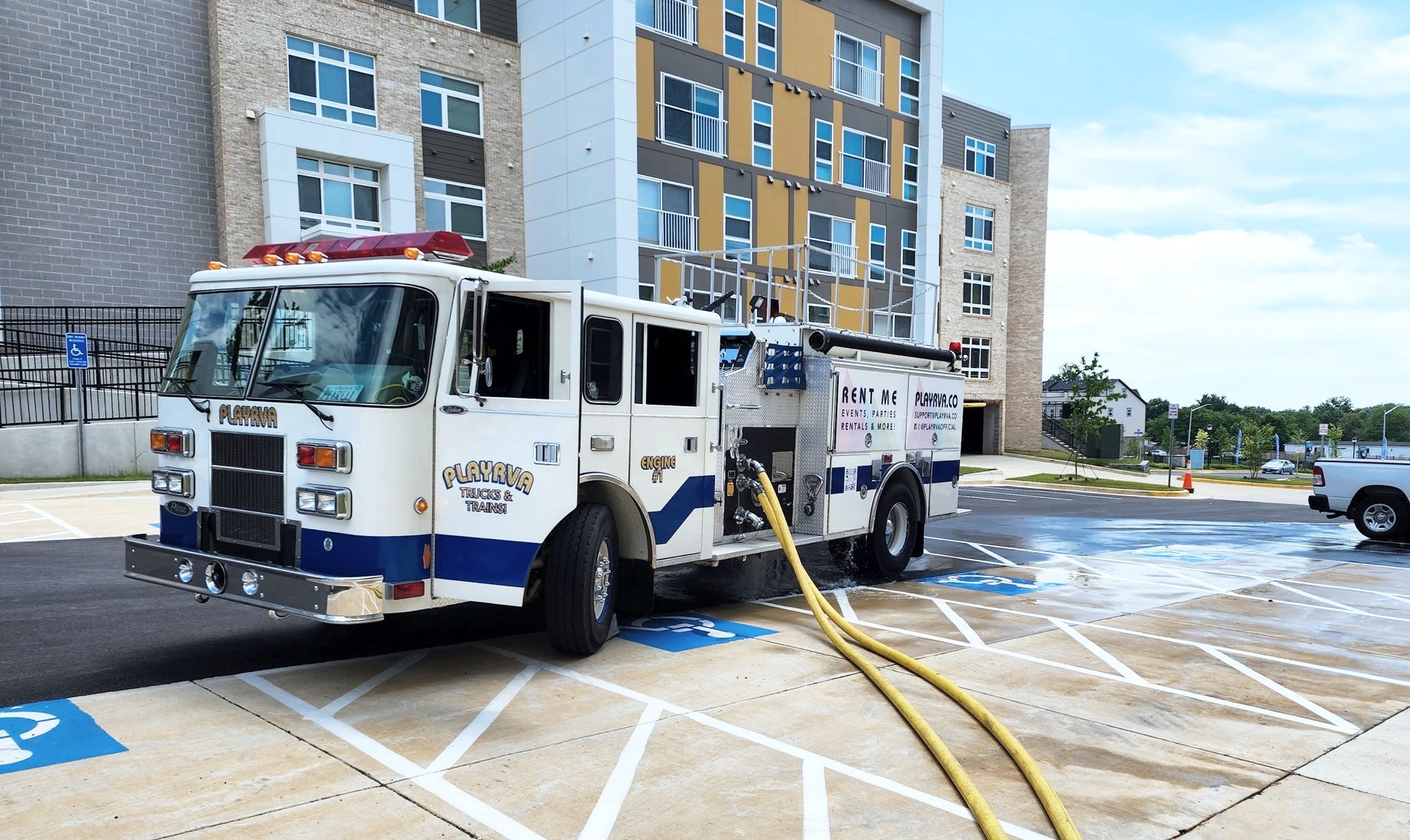
- Manual wet / manual dry: the pipe has no adequate supply of its own, the fire department pumps into the fire department connection to charge it.
That second axis drives extra obligations. Dry and semi-automatic standpipes carry a recurring hydrostatic pressure test, and dry pipe valves carry a 3-year full-flow trip test that wet systems do not.
Knowing your class and type is not trivia. It is what determines which tests you owe, how often, and what numbers you have to hit.
How the class changes test day
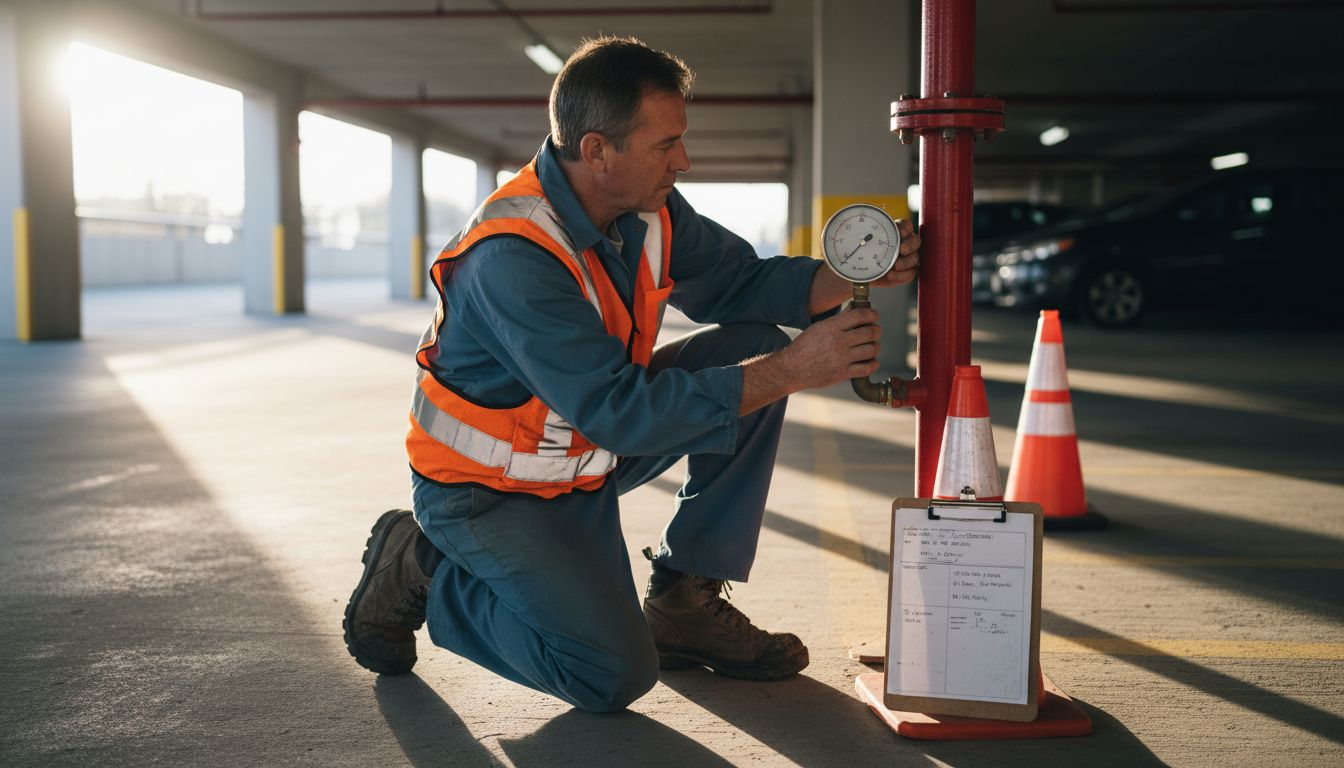
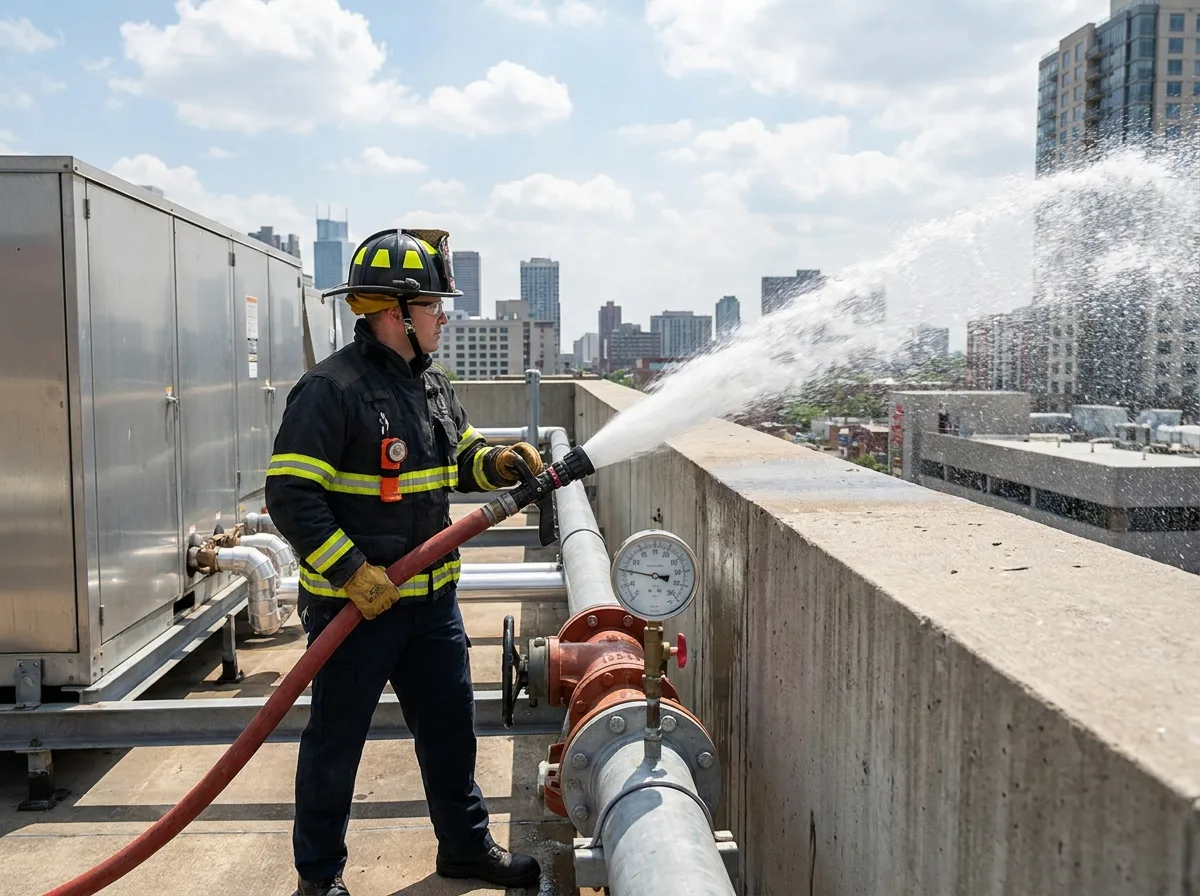
On a Class I or III system we set up at the most hydraulically remote 2½-inch outlet, flow water through calibrated equipment, and record static and residual pressure with flow. On a manual system, we bring the pumper truck and supply the fire department connection exactly as a fire crew would. If you want the full walk-through, read What Actually Happens on Flow Test Day.
Not sure what you have?
Most owners do not know their standpipe class off the top of their head, and that is fine, the riser diagram, the valve sizes, and the FDC signage tell us quickly. Request a quote and we will identify the class, confirm what testing is due, and price it in one pass. Property owners and managers get a clean written record either way.