Virginia is our home state. FLOW dispatches from Richmond, which puts a pumper truck within a few hours of nearly every commercial building in the Commonwealth, from Arlington high-rises to Virginia Beach oceanfront towers. This is the practical guide to what Virginia requires, who enforces it, and how a standpipe flow test actually gets done here. Question-and-answer format lives in the Virginia Fire System Testing FAQ.
What Virginia code actually says
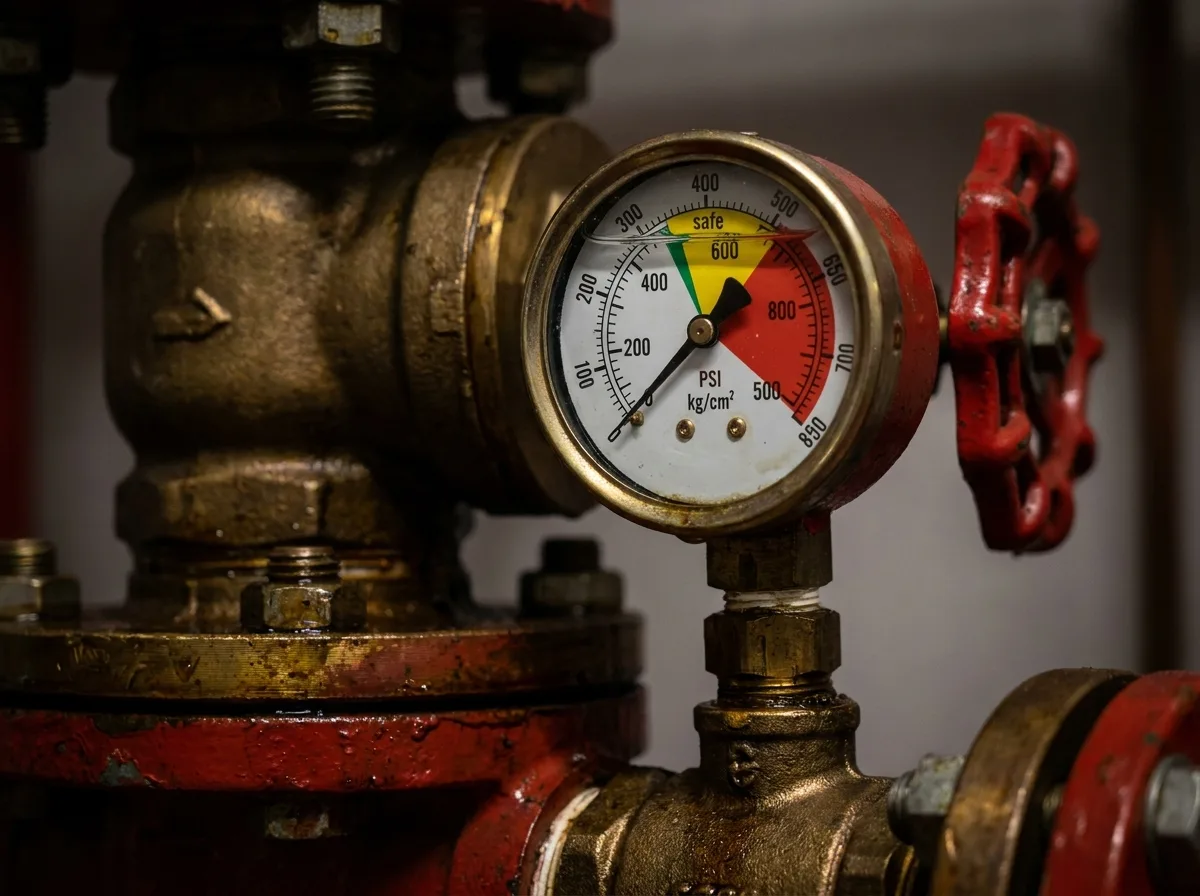
The Virginia Uniform Statewide Building Code adopts the International Building Code, and Section 905 references NFPA 14 for standpipe installation. That is where the familiar benchmark comes from: 100 PSI residual at the hydraulically most remote 2½-inch outlet, 500 GPM for the most remote standpipe, and 250 GPM for each additional standpipe up to the design maximum. Full detail in Virginia USBC 905.2 Standpipe Requirements.
Installation is only half of it. Once the building is occupied, the Statewide Fire Prevention Code carries the NFPA 25 obligation forward for the life of the system, the 5-year full-flow standpipe test, hydrostatic testing of dry and semi-automatic standpipes, 3-year dry pipe valve trip tests, and annual hydrant and fire pump work. The NFPA 25 frequency chart maps all of it by interval.
Who enforces it
Your local fire marshal or building official is the Authority Having Jurisdiction. Enforcement is uneven across Virginia: Arlington, Alexandria, Fairfax County, Richmond, and Virginia Beach routinely ask for current flow-test documentation, while smaller jurisdictions may never ask. The obligation exists either way, and your insurance carrier applies NFPA 25 regardless of what the local inspector requested, as we cover in Insurance Won't Cover What You Didn't Maintain.
Lack of local enforcement is a budgeting convenience, not a legal shield. It disappears the moment there is a fire.
Where we work
- Central Virginia: Richmond, Henrico, Chesterfield, Petersburg, Fredericksburg.
- Northern Virginia: Arlington, Alexandria, Tysons, Fairfax, Reston, Falls Church.
- Hampton Roads: Virginia Beach, Norfolk, Chesapeake, Portsmouth, Newport News, Hampton.
- Central & Valley: Charlottesville, Harrisonburg, Lynchburg, Staunton.
- Southwest: Roanoke, Blacksburg, Christiansburg.
The full metro-by-metro list is on the Virginia service area page.
What test day looks like in Virginia
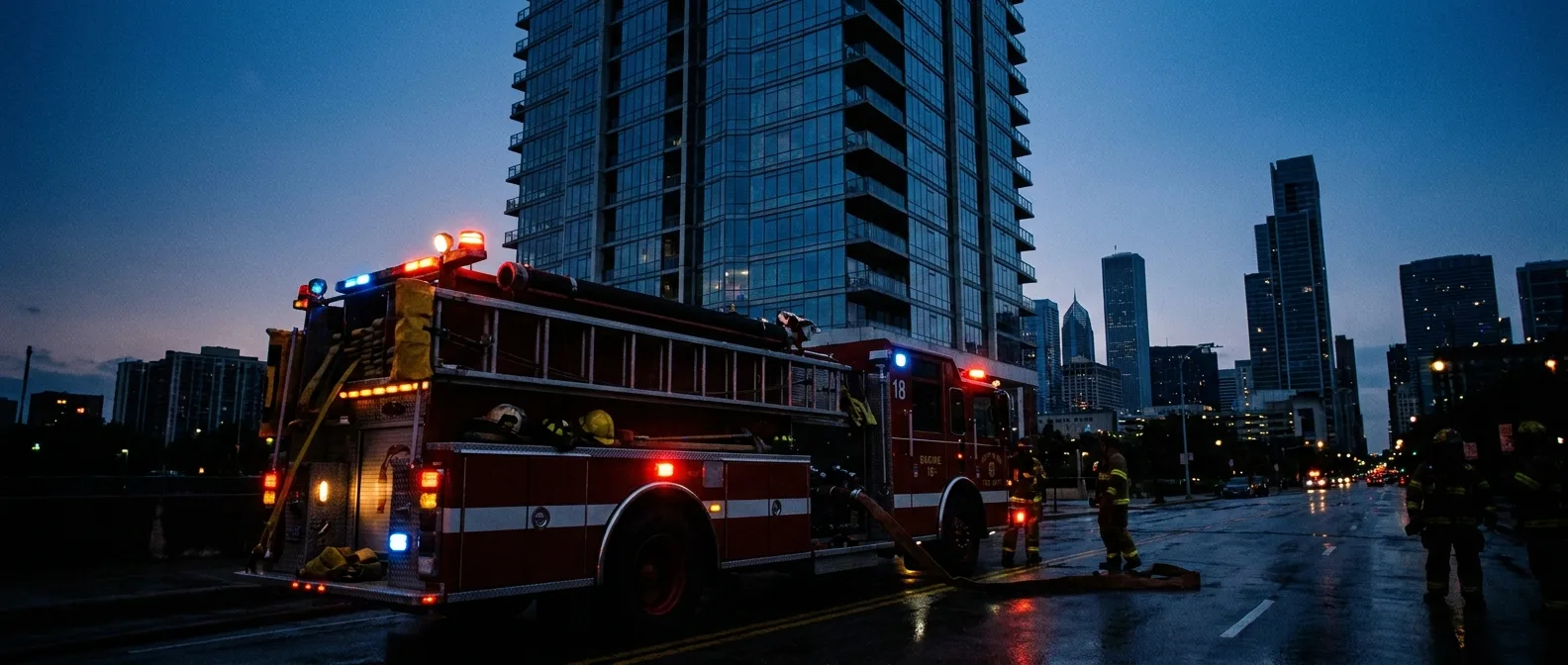
Most Virginia localities require a hydrant use permit or utility notification for a non-emergency draw, and some require metering. We handle that coordination, place alarm monitoring on test, and set up at the hydraulically most remote outlet. On manual or dry systems we pump into the fire department connection exactly as an engine company would. The full walkthrough is in What Actually Happens on Flow Test Day.
New construction in Virginia
If you are a contractor or developer chasing a Certificate of Occupancy, pull water supply data early and schedule acceptance testing before the CO walk-through, not during it. A fire hydrant flow test at design time and an acceptance standpipe flow test before inspection is the cheapest sequence available, the alternative is described in The Hidden Cost of a Failed Flow Test at CO.
Multi-state portfolios
Virginia sits in the middle of our footprint, so buildings in Maryland and DC often test on the same route. See Multi-State Fire Protection Testing, or the Maryland and Washington, DC guides.
Ready to schedule? Request a quote with your building address and riser count and we will return a real number, usually within one business day.