

Maintenance July 10, 2026 9 min read
Failed Standpipe Test? Common Causes & Solutions
Understanding why your standpipe system might fail a test is crucial for maintaining fire safety. Learn about common issues and how to fix them.
Read ArticlePractical guidance on NFPA standards, fire system testing, and compliance — written for property owners, fire protection pros, and the engineers who keep them honest.
Showing 38 articles
Understanding why your standpipe system might fail a test is crucial for maintaining fire safety. Learn about common issues and how to fix them.
Read Article
Understand the factors influencing standpipe flow test cost to better manage your fire protection testing pricing and budget.
Read Article
Navigate 5-year standpipe test preparation with our guide for DC, MD, VA properties. Ensure compliance and safety with this essential fire protection checklist.
Read Article
Understand standpipe testing frequency requirements. Discover when you need a 5 year standpipe flow test versus annual NFPA 25 inspection intervals for fire system compliance.
Read Article
Ensure your building meets fire marshal standpipe requirements and insurance fire system audit needs with proper testing. Learn about compliance.
Read Article
Discover what a dry pipe valve trip test is and why it's crucial for cold-climate fire sprinkler systems. Learn about NFPA 25 dry system testing requirements.
Read Article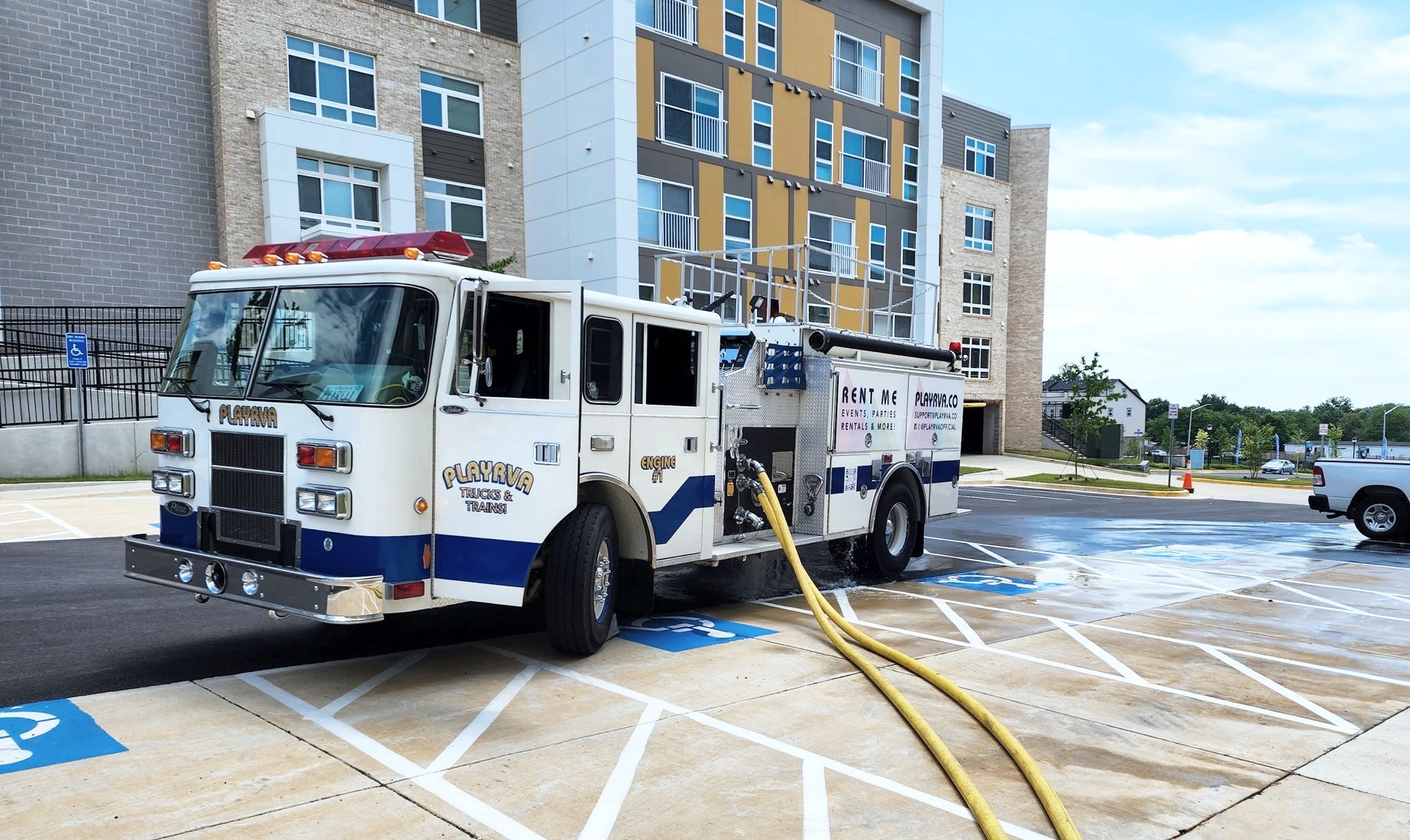
Yes, NFPA 25 requires a flow test every five years on automatic standpipe systems to confirm required flow and pressure at the hydraulically most remote hose valve under demand. Dry and manual systems also carry a five-year hydrostatic test. Verify against the adopted edition.
Read Article
A hydrostatic pressure test fills a standpipe with water and holds it at 200 psi or 50 psi above normal operating pressure, whichever is greater, for about two hours to confirm the piping holds without leaking. Verify against the adopted edition.
Read Article
Flush fire hydrants at least once a year, and assess standpipe piping on a five-year cycle, unless your AHJ requires more often. Annual hydrant operation clears rust and sediment so the barrel actually flows. Verify every interval against the adopted edition.
Read Article
Private fire hydrants must be operated and flowed at least annually so the barrel opens, clears debris, and actually delivers water. A separate measured-capacity flow test documents the supply for firefighting and hydraulic calculations. Verify against the adopted edition.
Read Article
In most cases, yes. NFPA 25 requires a five-year flow test on automatic standpipe systems to verify required flow and pressure at the hydraulically most remote hose valve. The property owner is responsible for scheduling it and keeping the report. Verify against the adopted edition.
Read Article
Just because many jurisdictions are not enforcing NFPA-mandated standpipe and hydrant flow testing does not mean it is not critical. Here is why proactive testing protects lives and property, and how it opens an untapped revenue stream most firms are ignoring.
Read Article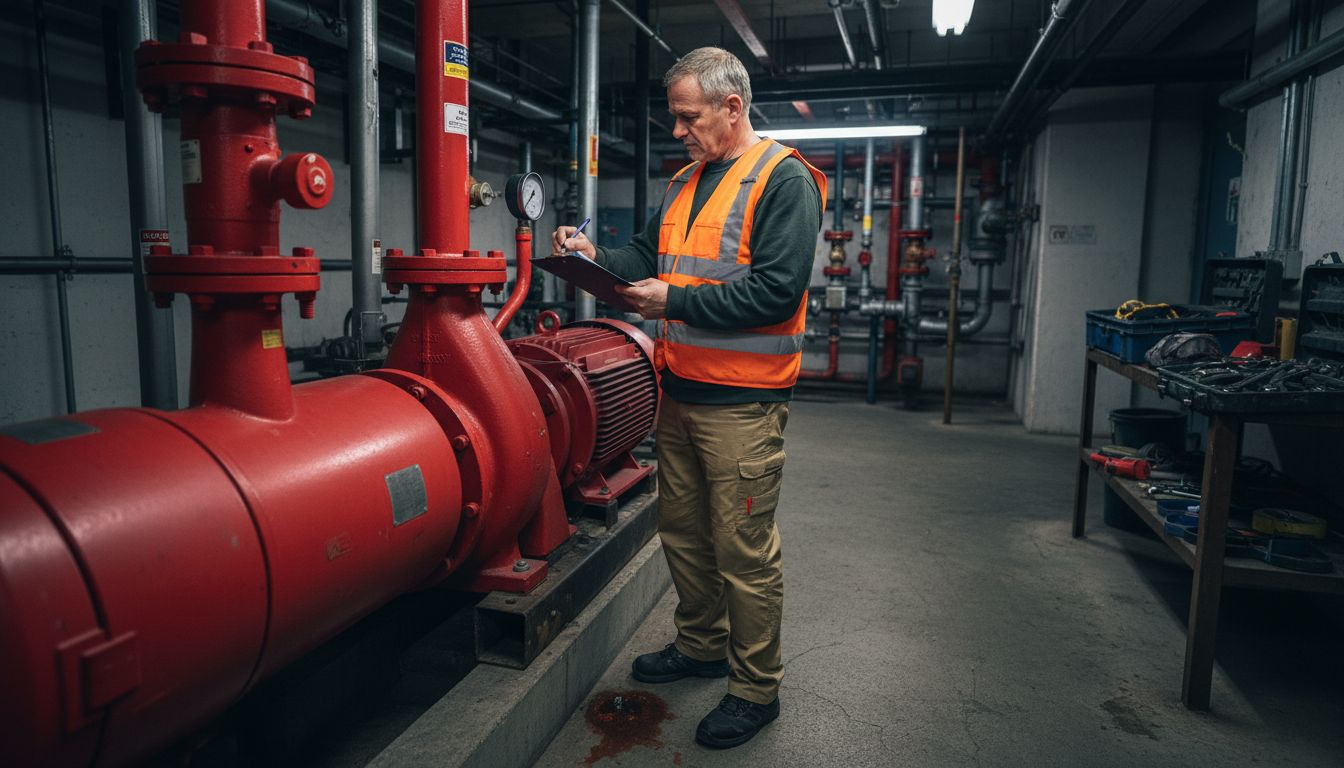
NFPA 25 requires a no-flow (churn) test weekly on diesel fire pumps and monthly on most electric pumps, plus an annual flow test at no-flow, rated, and 150 percent capacity. Confirm the exact interval in the edition your AHJ has adopted.
Read Article
A clear, five-step workflow for conducting a standpipe flow test, covering system classification, equipment setup, safe valve operation, accurate measurement, and restoring the system to service for NFPA 14 and NFPA 25 compliance.
Read Article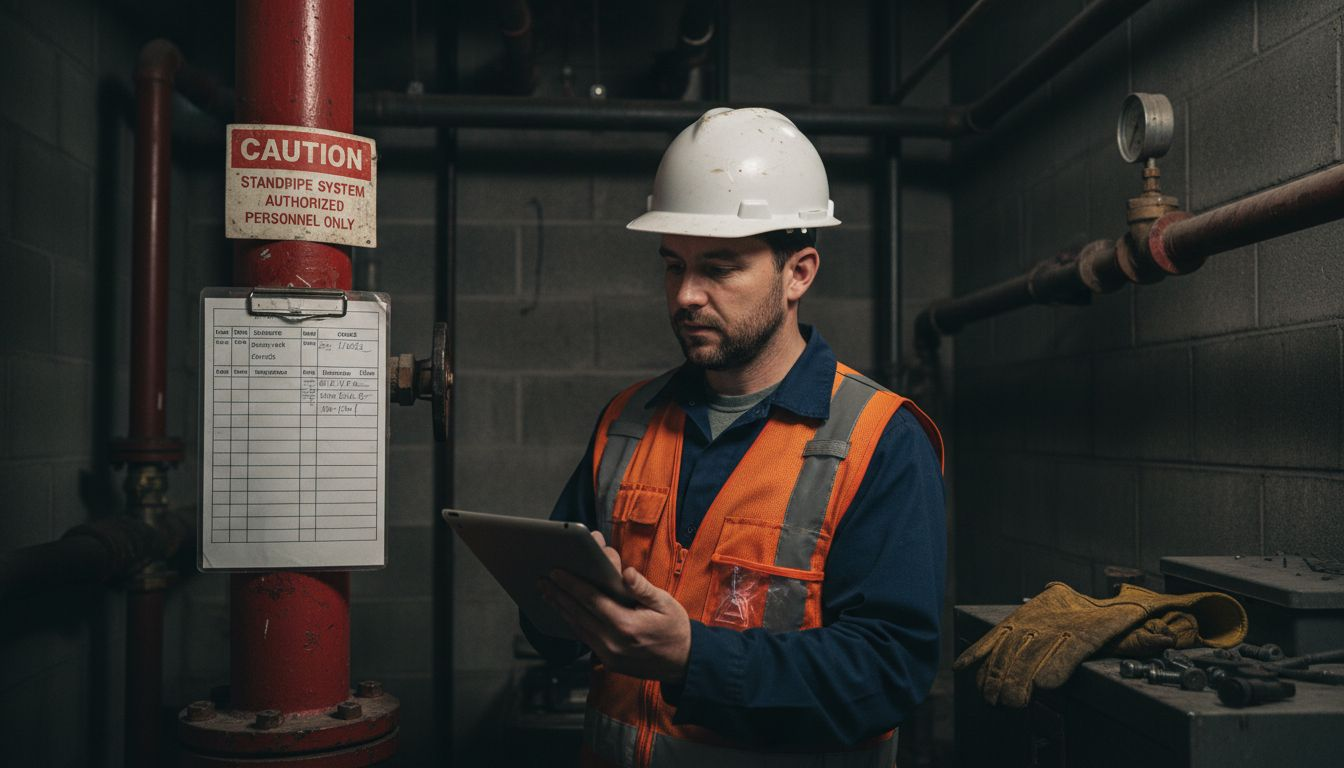
NFPA 25 is an inspection, testing, and maintenance standard, not a visual walkthrough. Contractors stay compliant by knowing the required frequencies, flowing standpipes on the five-year interval, documenting every test, and handing the AHJ a complete report. Confirm every interval against the adopted edition.
Read Article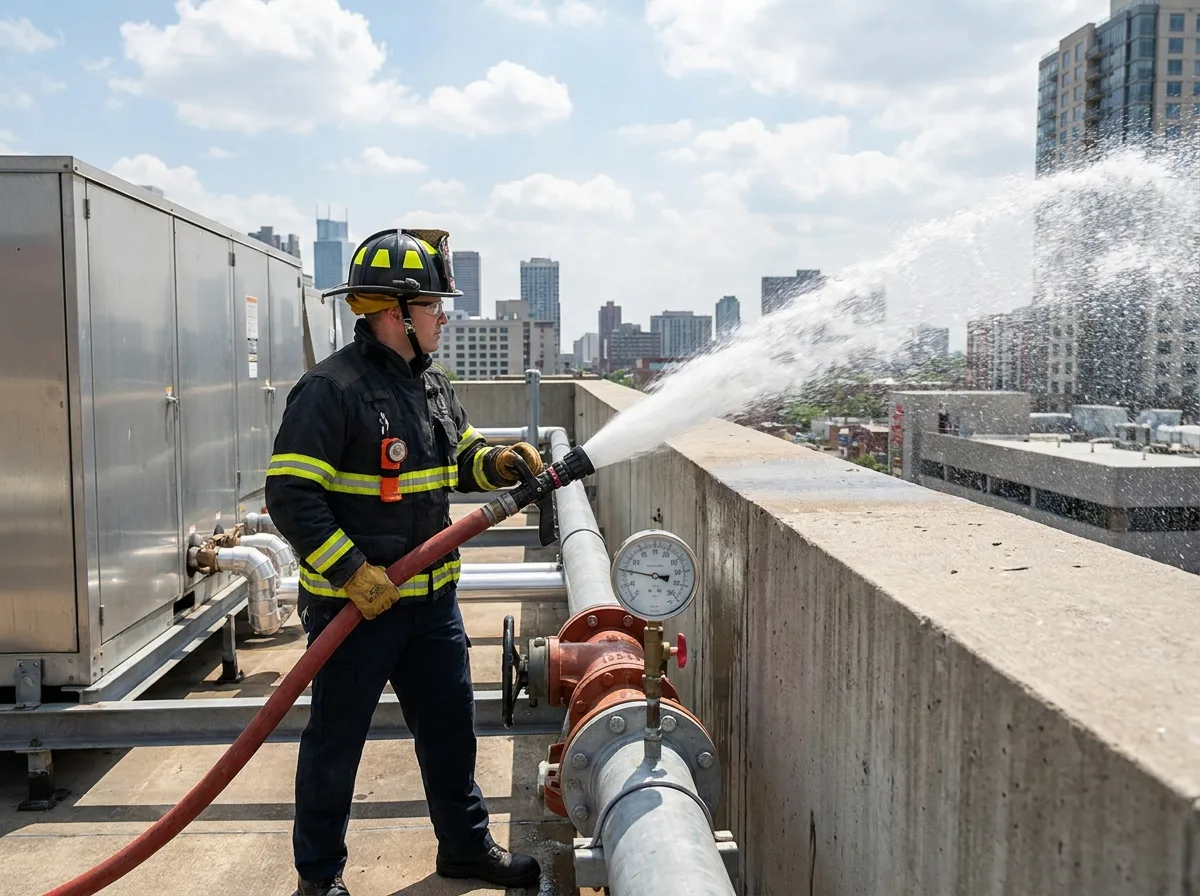
NFPA 14 tells you how a standpipe must be built and accepted; NFPA 25 tells you how often to prove it still works. The recurring obligation owners miss is the five-year flow test at the hydraulically most remote hose connection. Verify against the adopted edition.
Read Article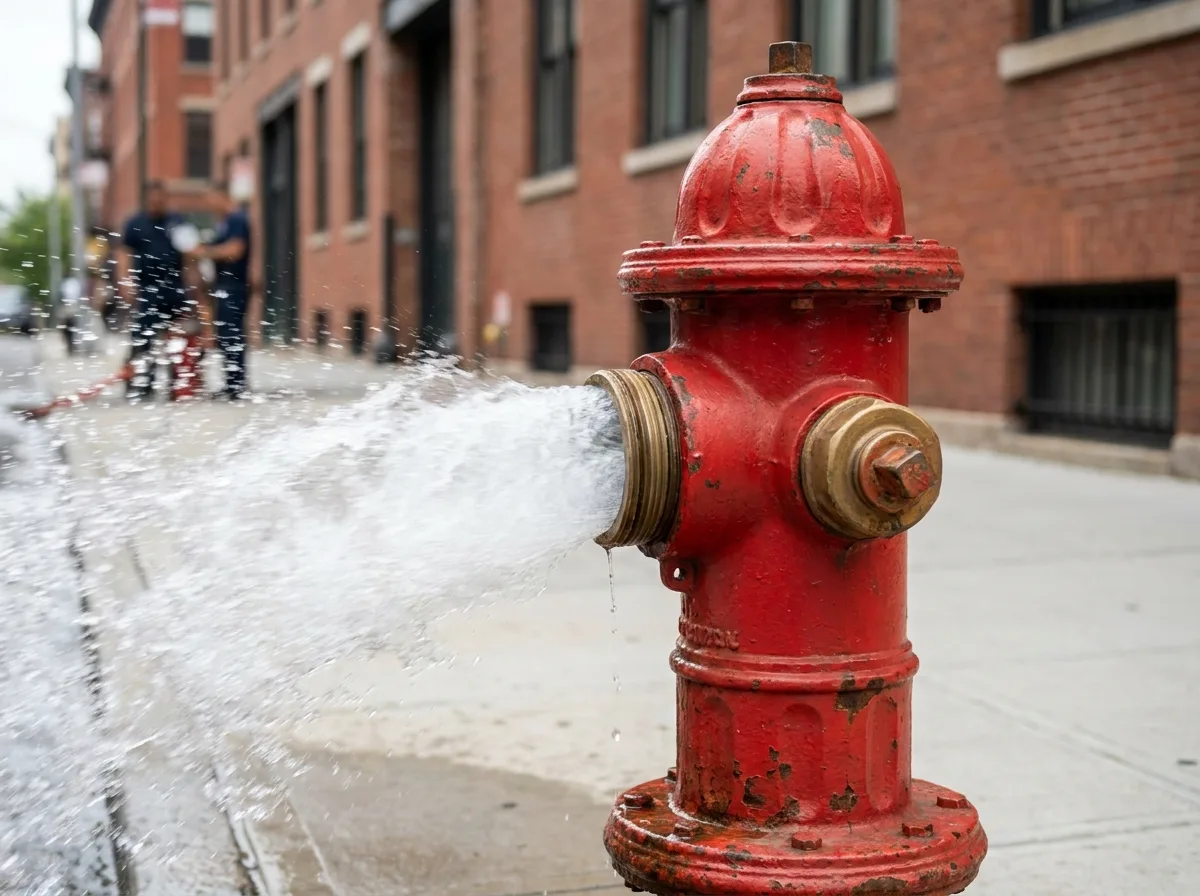
Why 5-year-old hydrant data can produce undersized fire sprinkler designs, and how often you should actually retest for reliable hydraulic calculations.
Read Article
Real numbers from real projects: what a single failed acceptance test costs in schedule delays, carrying costs, and lost lease-up revenue.
Read Article
A plain-language explanation of hydrostatic testing for property managers and non-technical stakeholders who need to understand what they're paying for.
Read Article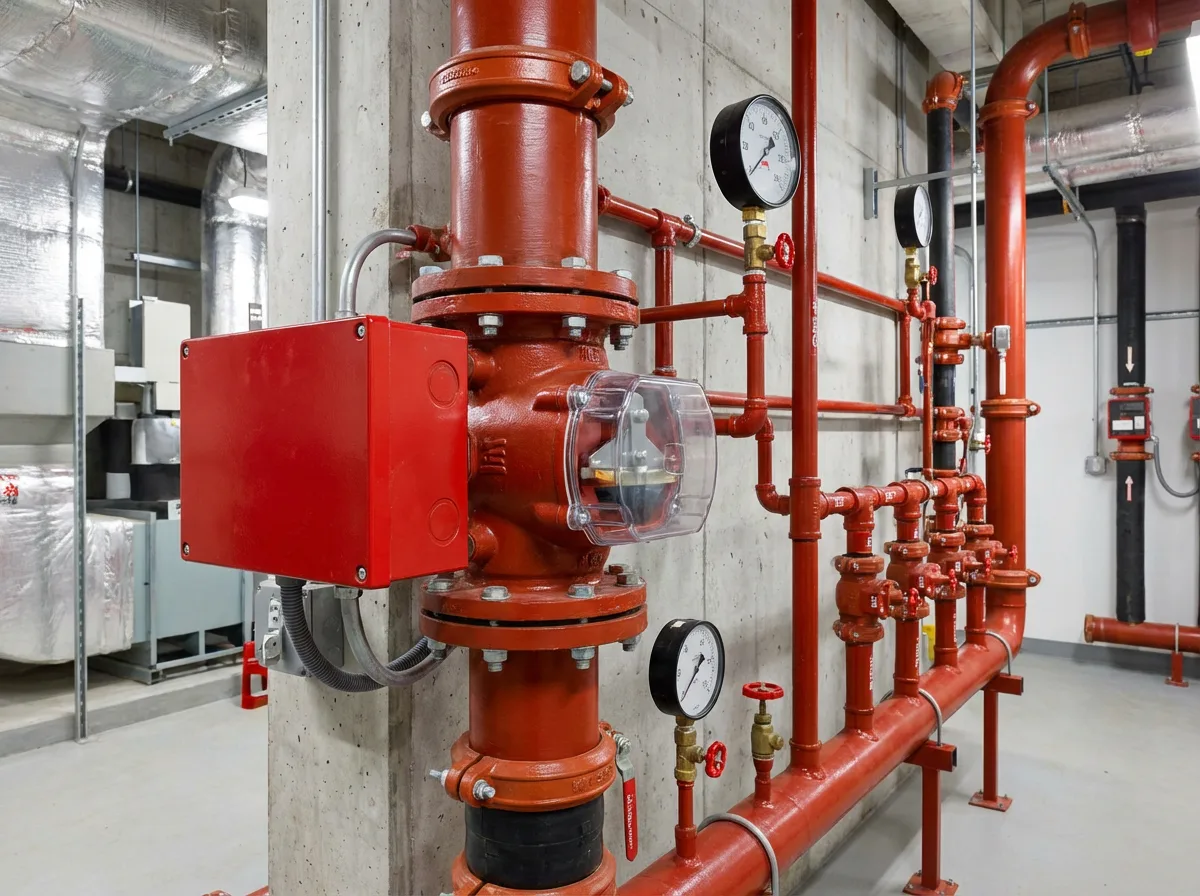
The engineering reality behind NFPA 25's 3-year full-flow trip test requirement, and what typically fails when the test finally gets run.
Read Article
Line-by-line walk-through of Virginia's adoption of NFPA 14 under the Uniform Statewide Building Code and what it means for property owners.
Read ArticleA playbook for introducing standpipe testing to your existing client base, positioning, pricing, and partnership structures that work.
Read ArticleWhat insurance carriers actually look for in fire system documentation at claim time, and the most common reasons claims get denied.
Read Article
A hydrostatic test proves the pipe can hold pressure without leaking. A flow test proves the system can actually deliver the required volume and residual pressure at the remote hose valve. Passing one does not replace the other. Verify frequencies against the adopted edition.
Read ArticleThe difference between Class I, Class II, and Class III standpipes, which hose connections each uses, and how the class changes your NFPA 25 testing obligation.
Read ArticleWhat the blue, green, orange, and red bonnet colors on a fire hydrant actually mean, how those classifications are assigned, and why the paint is no substitute for a current flow test.
Read ArticleA plain-English reference for the inspection, testing, and maintenance intervals that matter most to building owners, weekly, monthly, quarterly, annual, 3-year, and 5-year.
Read ArticleAn honest look at what drives the price of a standpipe flow test, hydrostatic test, or hydrant flow test, building height, number of risers, water disposal, access, and scheduling.
Read ArticleA step-by-step walk-through of a standpipe flow test from the property manager's point of view, how long it takes, what access we need, where the water goes, and what you get at the end.
Read ArticleClosed valves, dead fire pumps, corroded piping, undersized supply, and construction debris, the failures we find most often, and what each one costs to fix.
Read Article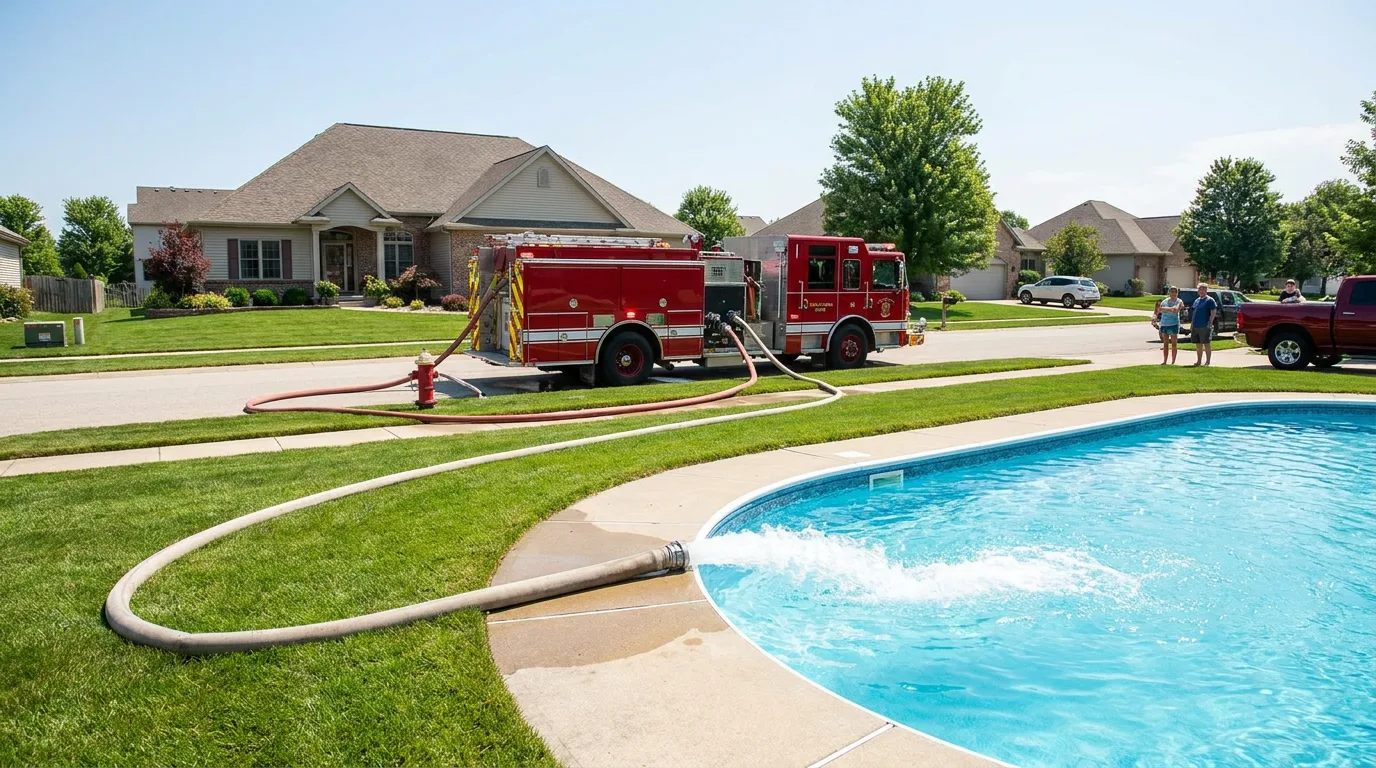
Why filling a pool from a single hydrant hookup with pumper truck equipment beats a convoy of water tankers on time, cost, and disruption, and what to expect on fill day.
Read Article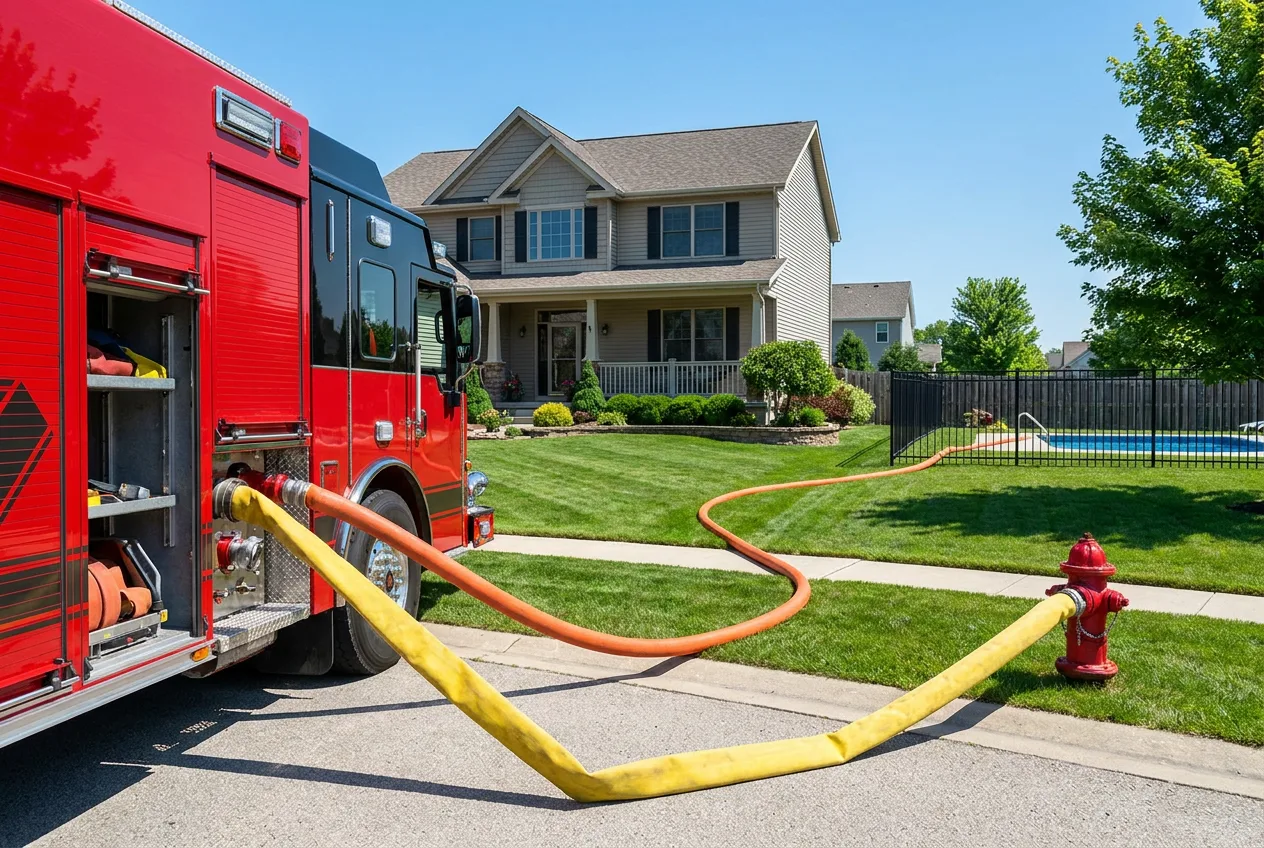
Cooling towers, tank fills, construction water, fountains, and temporary water supply, the commercial applications where hydrant-direct bulk water beats every other option.
Read ArticleWhat the Virginia USBC and Statewide Fire Prevention Code require, which localities enforce the 5-year standpipe flow test hardest, and how testing gets scheduled from Richmond to Northern Virginia and Hampton Roads.
Read ArticleHow Maryland adopts the I-Codes, why Montgomery County and Baltimore City add their own requirements, and how portfolios in the Baltimore–Washington corridor get tested on a single mobilization.
Read ArticleDC Construction Codes, DC Water hydrant permitting, why so many District buildings have manual standpipes, and how off-hours testing keeps tenants and traffic undisturbed.
Read ArticleNorth Carolina State Building Code requirements, acceptance testing before Certificate of Occupancy in Charlotte and Raleigh, and what to do when a building is years past due on its 5-year flow test.
Read ArticleWhat South Carolina code requires, how salt air quietly degrades standpipe systems, and how hotels, resorts, and oceanfront condominium associations schedule 5-year flow testing without disrupting guests.
Read ArticleHow owners with buildings across Virginia, Maryland, DC, North Carolina, and South Carolina cut testing cost and eliminate missed intervals by consolidating standpipe, hydrant, and hydrostatic testing under one vendor.
Read ArticleFast scheduling. NFPA-compliant reporting. Trusted by fire protection professionals.